Menu

Saturday, March 7, 2026

Cheese Tasting

As we climbed higher, the scenery shifted again. Small dairy farms started to appear along the hillsides. Victor pointed out that many of the cows here are Swiss breeds that handle the mountain climate well and produce rich milk.

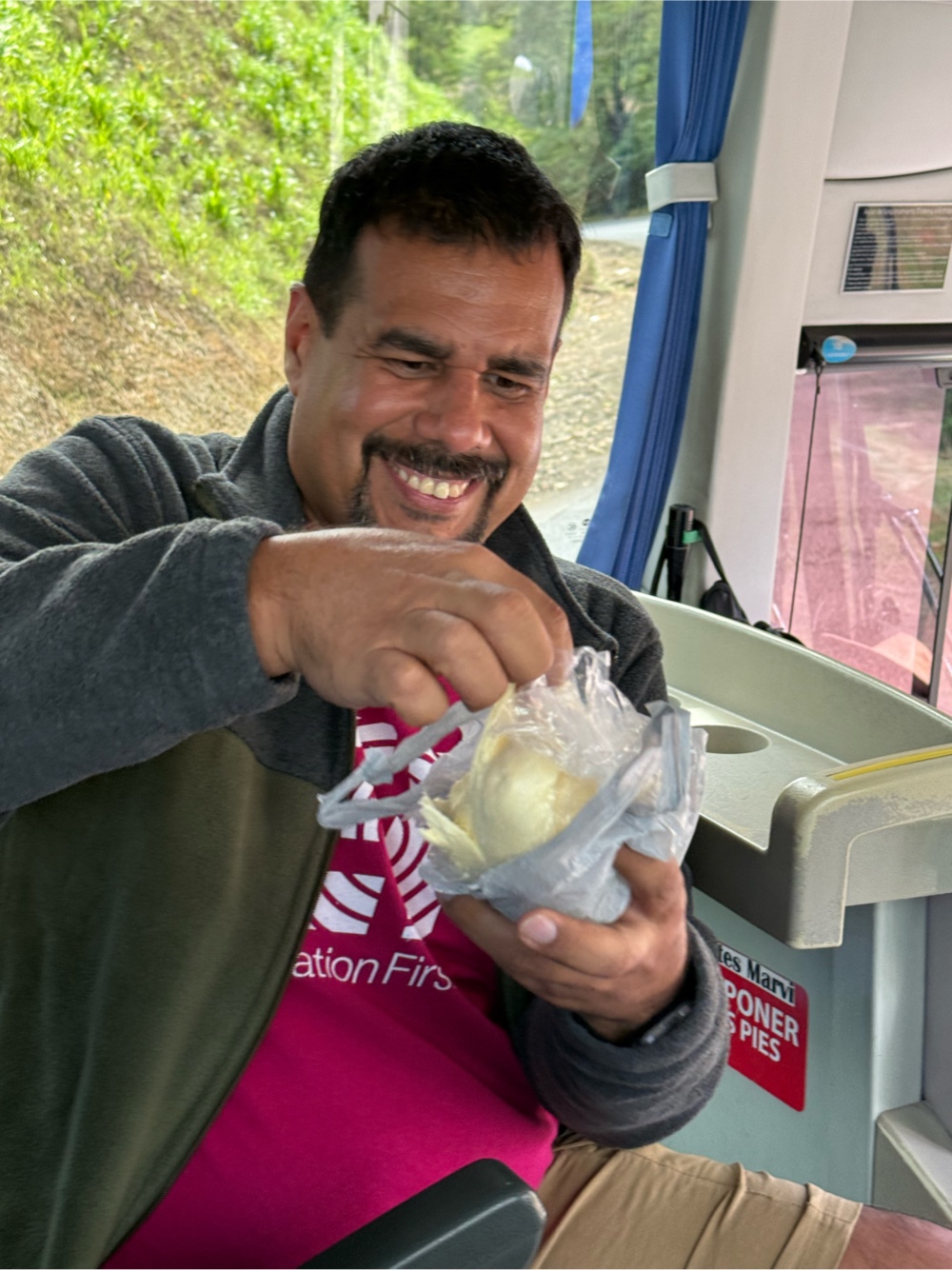
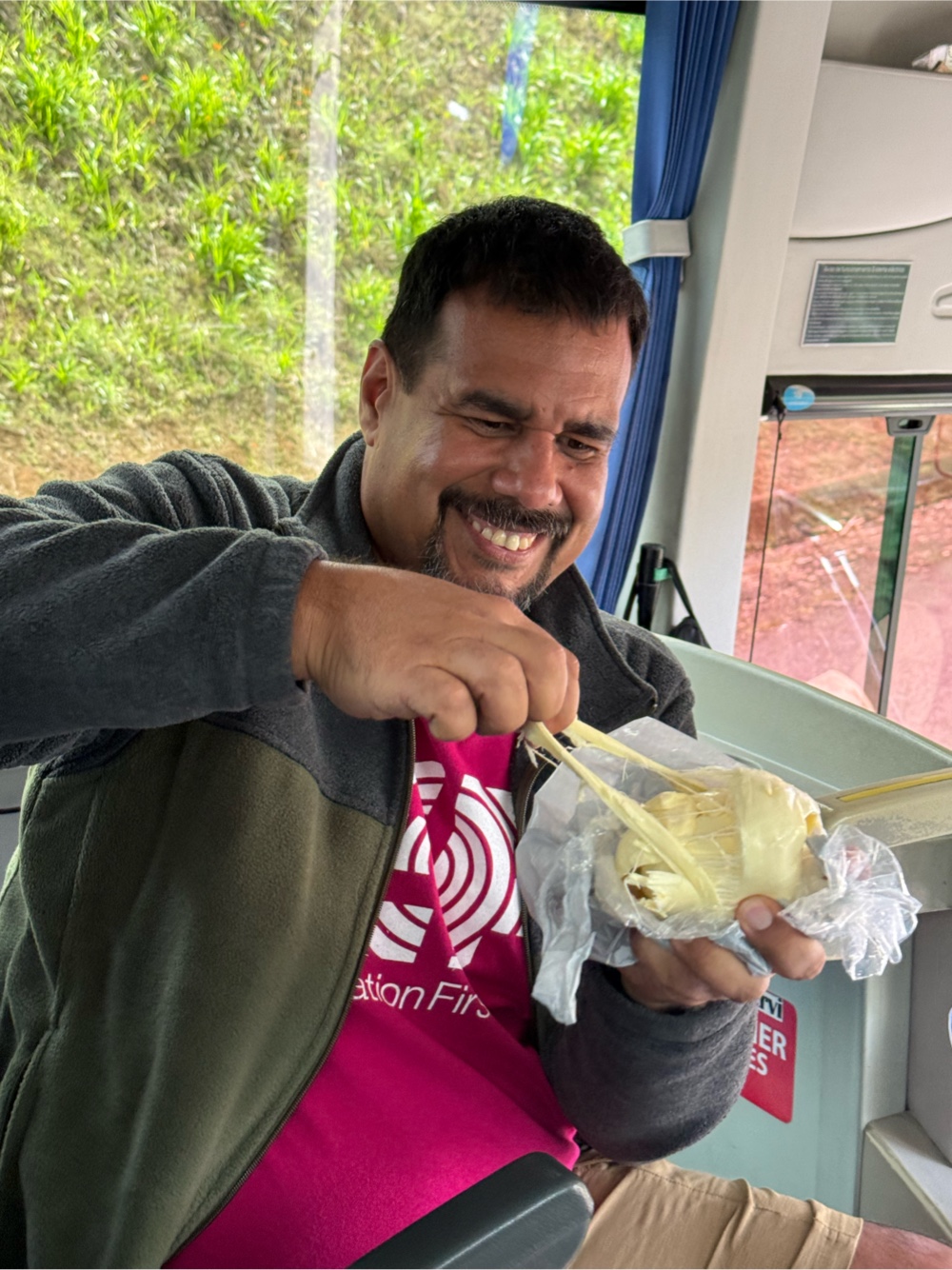
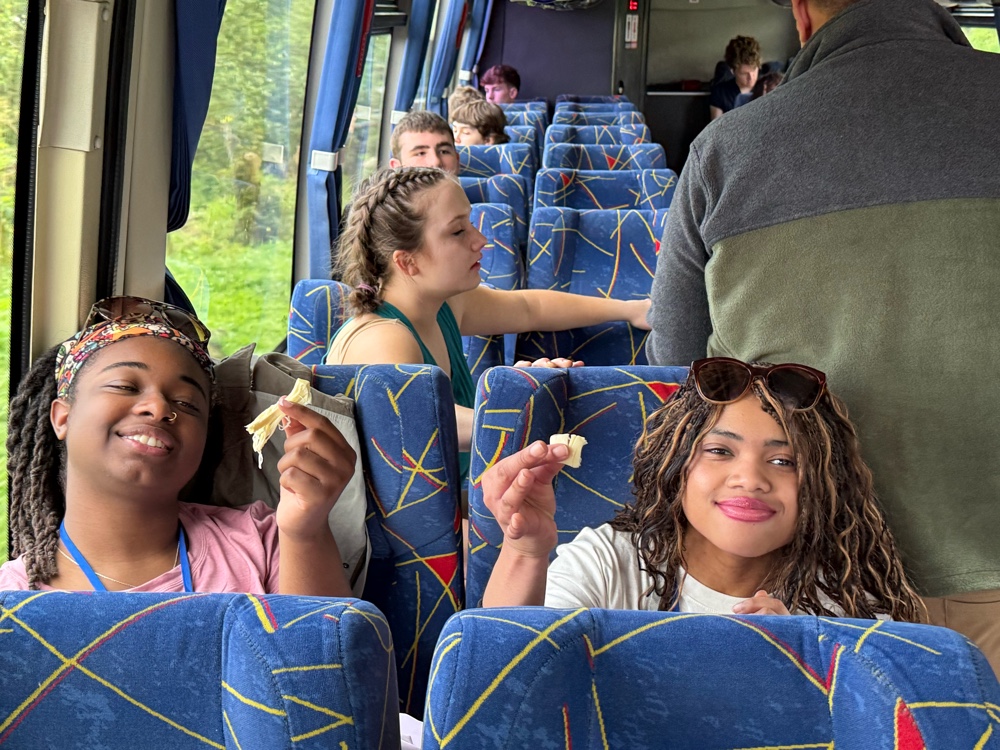
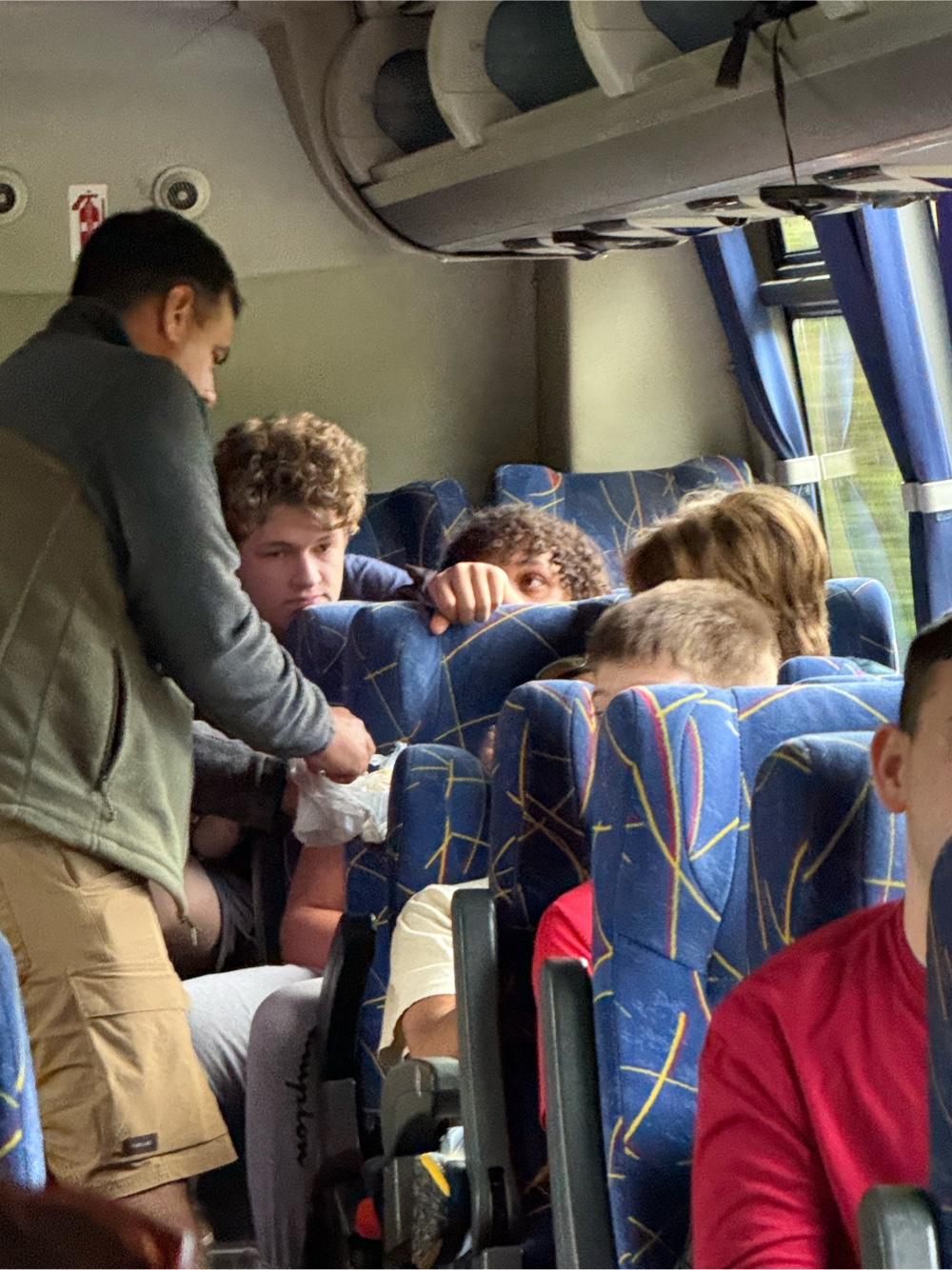
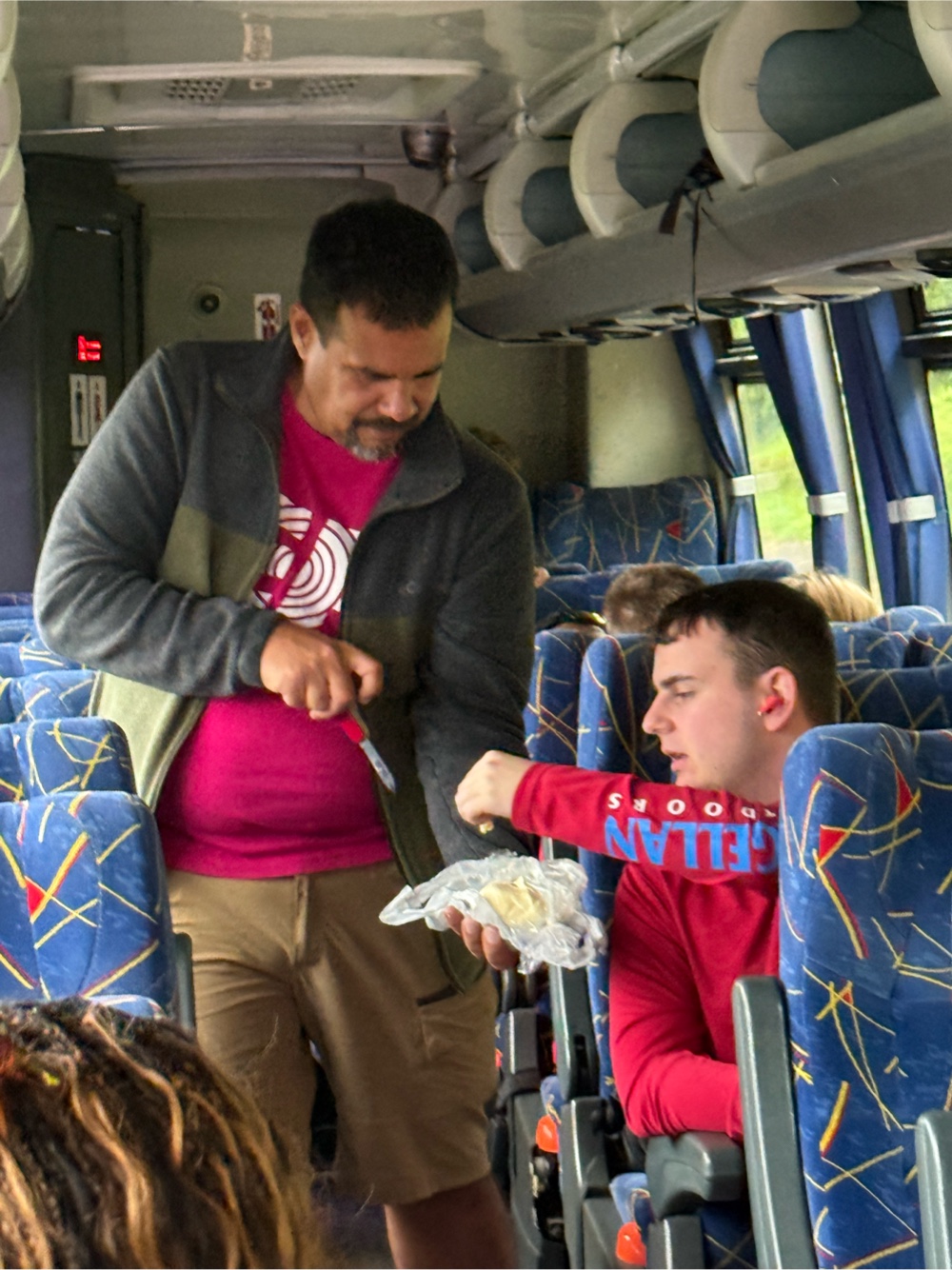
He told the students about palmito cheese, a local favorite that pulls apart like string cheese. One farmer on the route makes his own batches and sells them on weekends. Victor stopped to buy some so the group could taste it.


The cheese is incredibly fresh because it was
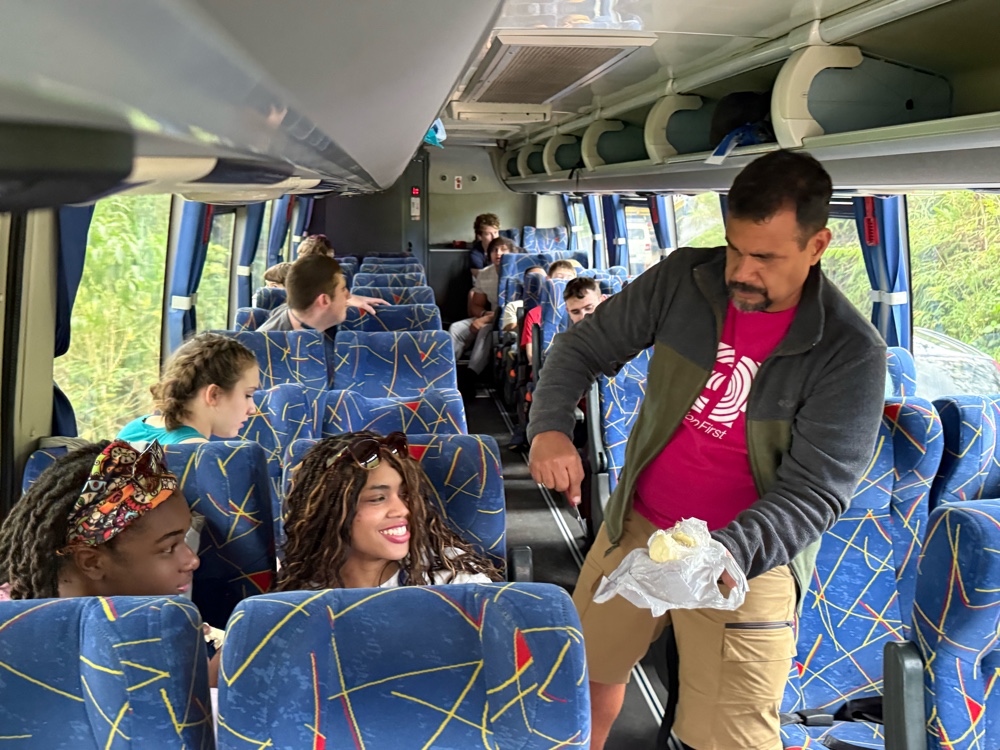
 just made yesterday! It tasted like the creamiest beat string cheese ver several kids were happy to take seconds. 


It’s always fun when we get to explore local foods we might not otherwise get to try.

Coffee Country in the Costa Rica valley

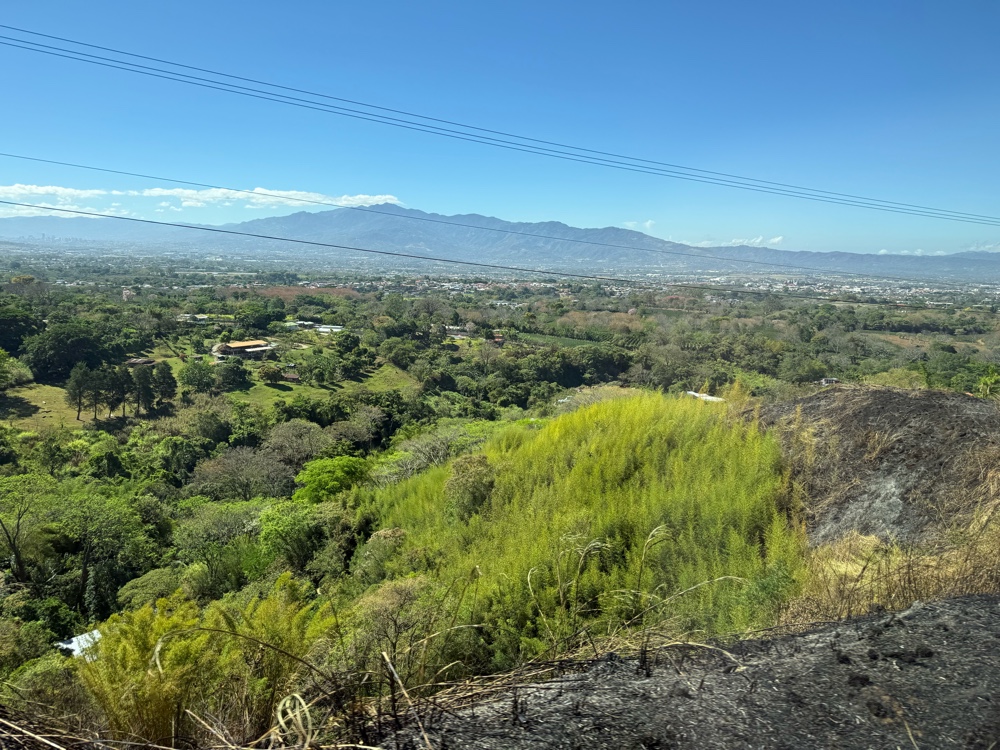
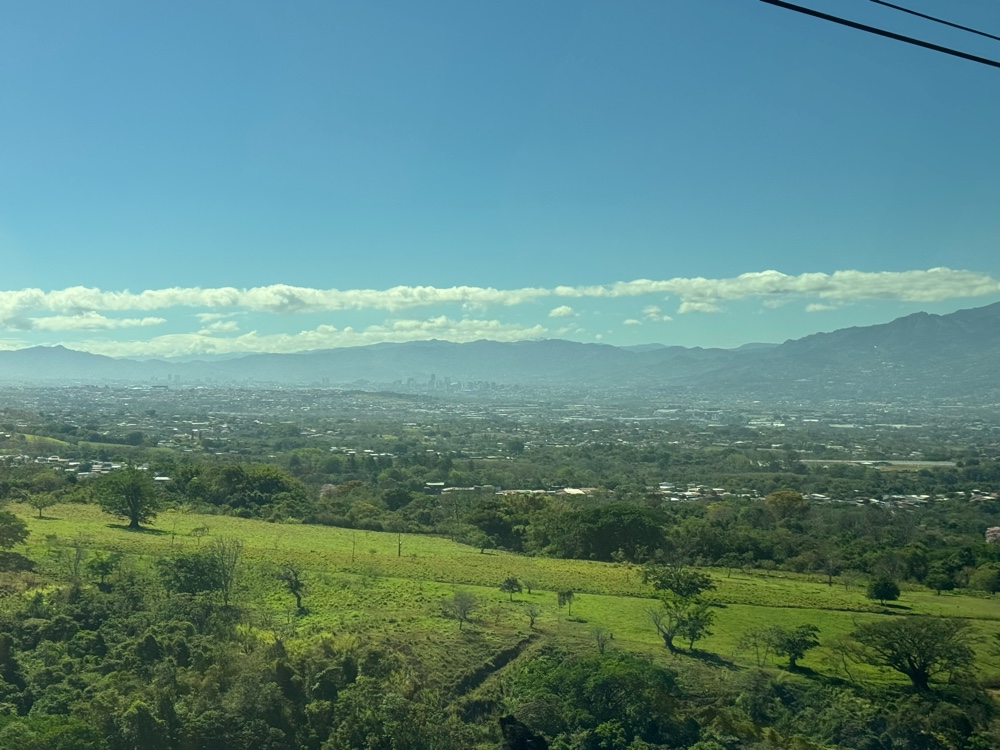
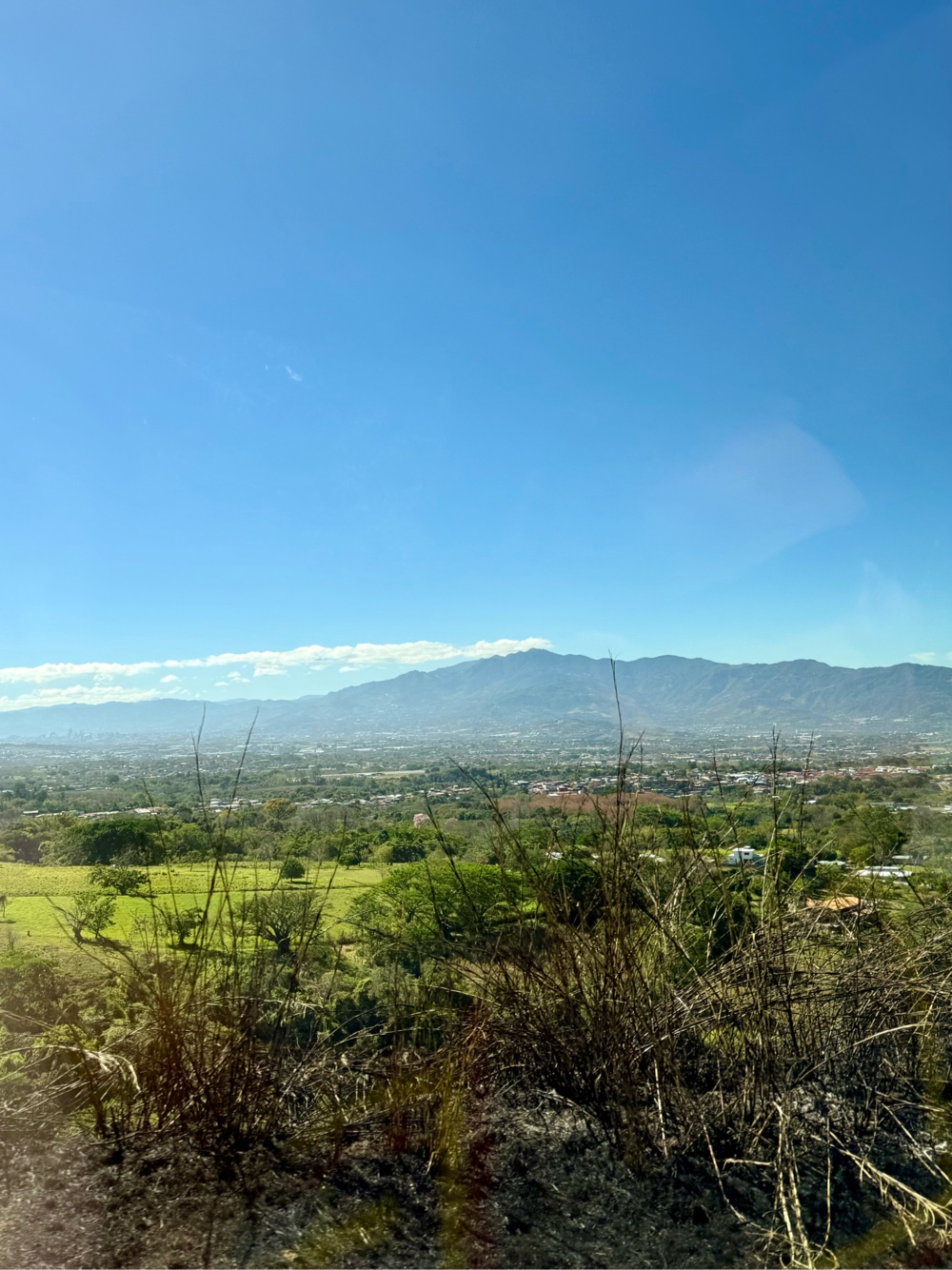
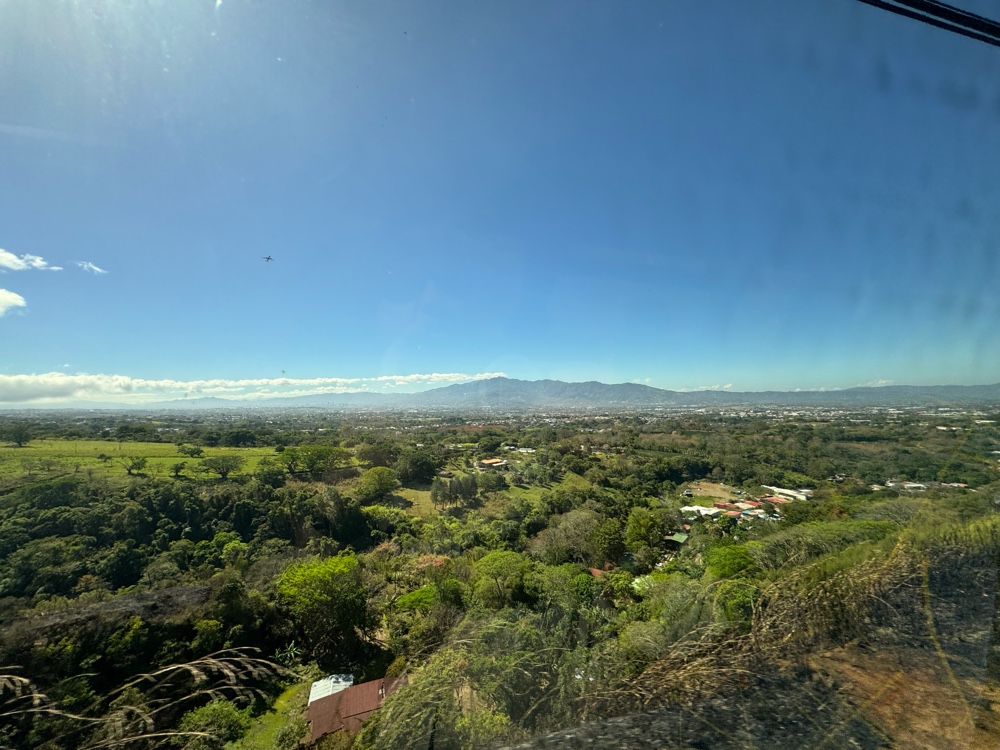
We headed out for the day with wide views of the city as we drove into the valley. Our first stop is a coffee farm, but the bus ride itself turned into a lesson about Costa Rica. Victor uses every minute well, and the students were very attentive to his stories.


One of the first things he told us is that Costa Rica hasn’t had an army since 1949. It’s one of only a few countries in the world that made that choice. The money that might have gone to a military now goes into education and healthcare, which helps explain why the literacy rate here is so high.


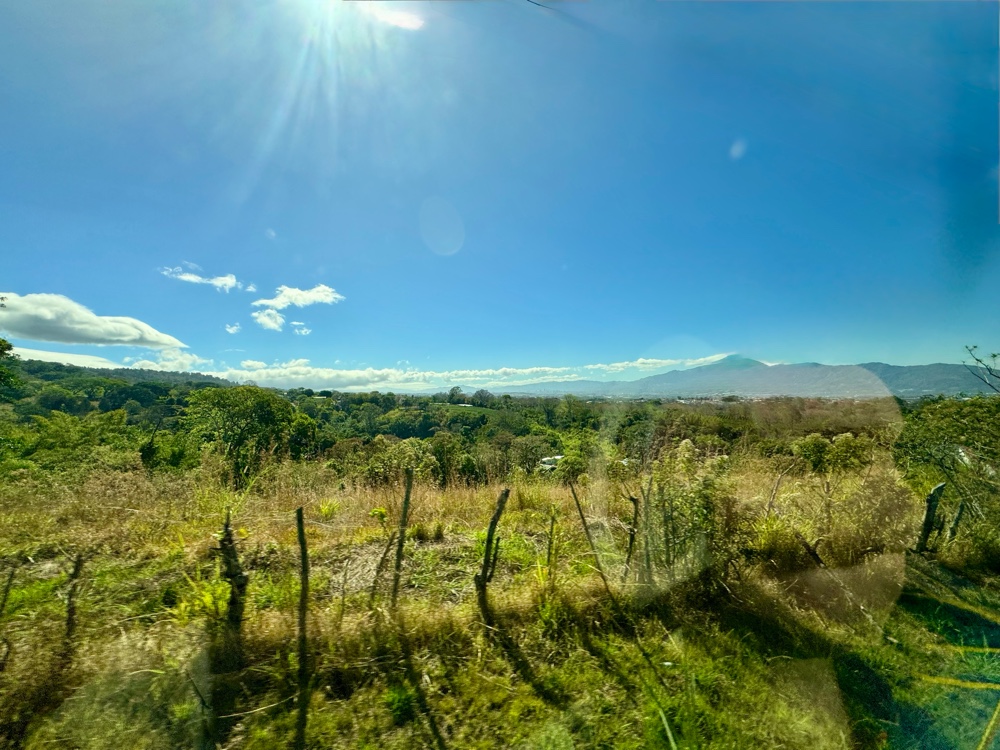
As we drove, we crossed part of an active volcanic area. For a country this small, the geology is intense. There are 112 volcanoes, so it’s normal for cars to get coated in volcanic ash after a windy day. Earthquakes are part of daily life too. With more than 500 faults, the country gets around 30 small quakes a week. Victor reminded us again of his emergency rule. If something happens, head to either the pool or the bus, because those are the places he’ll check first.


(View of an active volcano)

The valley we are driving through holds a huge share of the population. Of the five million people who live in Costa Rica, about 30 to 50 percent live right here. Hills surround the valley, and the Pacific Ocean sits just beyond them. The geography works like a shield. Storms from the Pacific lose strength before reaching the valley, and hurricanes from the Atlantic are blocked by the mountains on the Caribbean side. Because of this, the temperature stays almost the same year round.


The metro area sits between two major mountain chains. One runs along the Pacific, and the other is a volcanic chain that faces the Caribbean. This is why the land is so fertile. Water collects in the mountains and flows down into the valley all year long. Costa Rica has so much clean water that the average family’s monthly bill is around $20. Victor said his mom pay just $6 per month! You’re basically paying for the pipes, not the water itself.


Then came the part that surprised most of the students. From Mexico to Argentina, only two countries can safely drink tap water almost everywhere: Chile and Costa Rica. Victor shared that Costa Rica’s tap water is often cleaner than what you find in half the states back home. So everyone could refill water bottles all day without worrying.


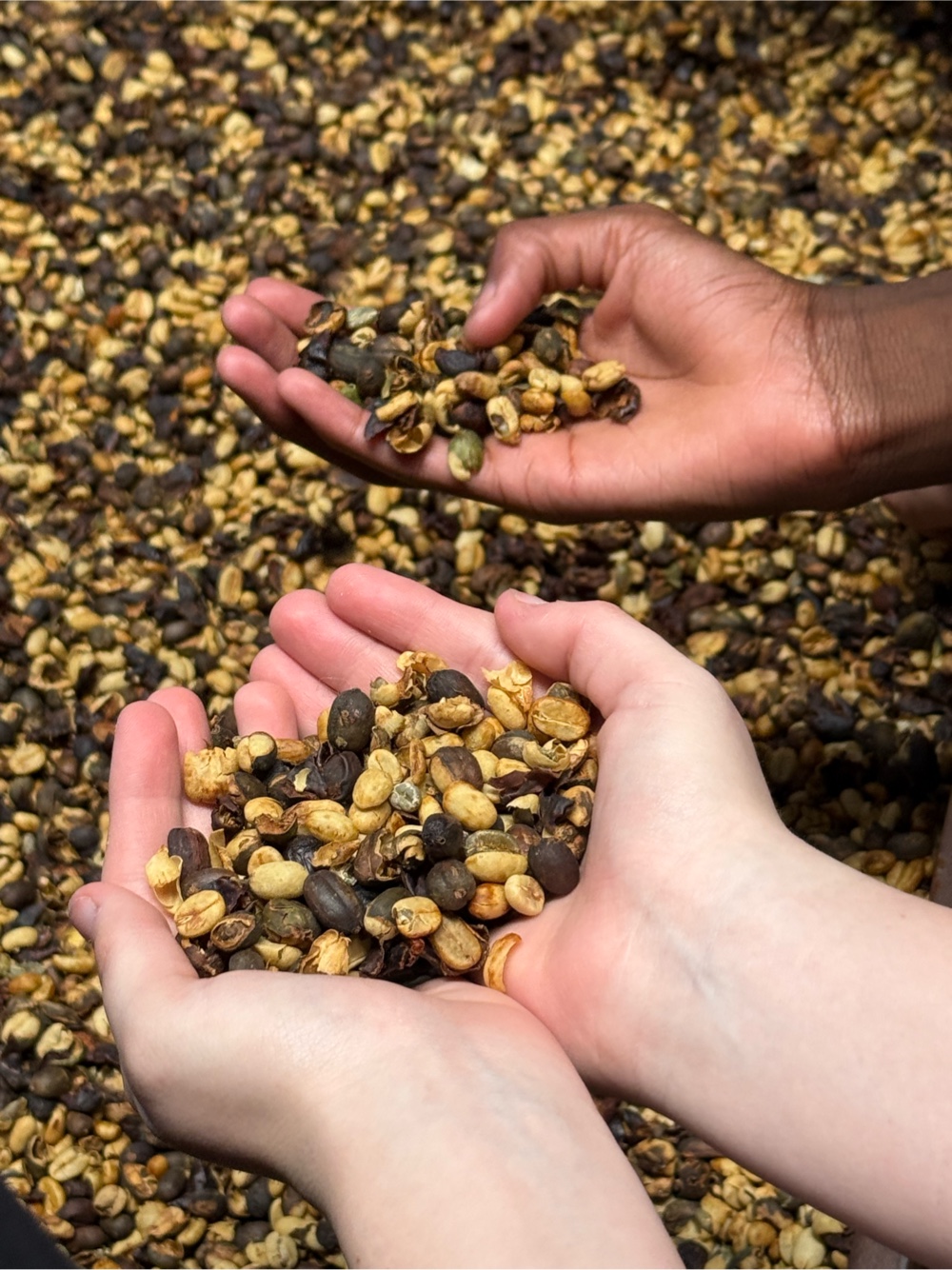
As we got closer to the farm, Victor explained what a wet mill is. It’s the place where coffee cherries are processed after picking. The one we were visiting dates back to the late 1800s. It has been remodeled, but it still works in the traditional way.


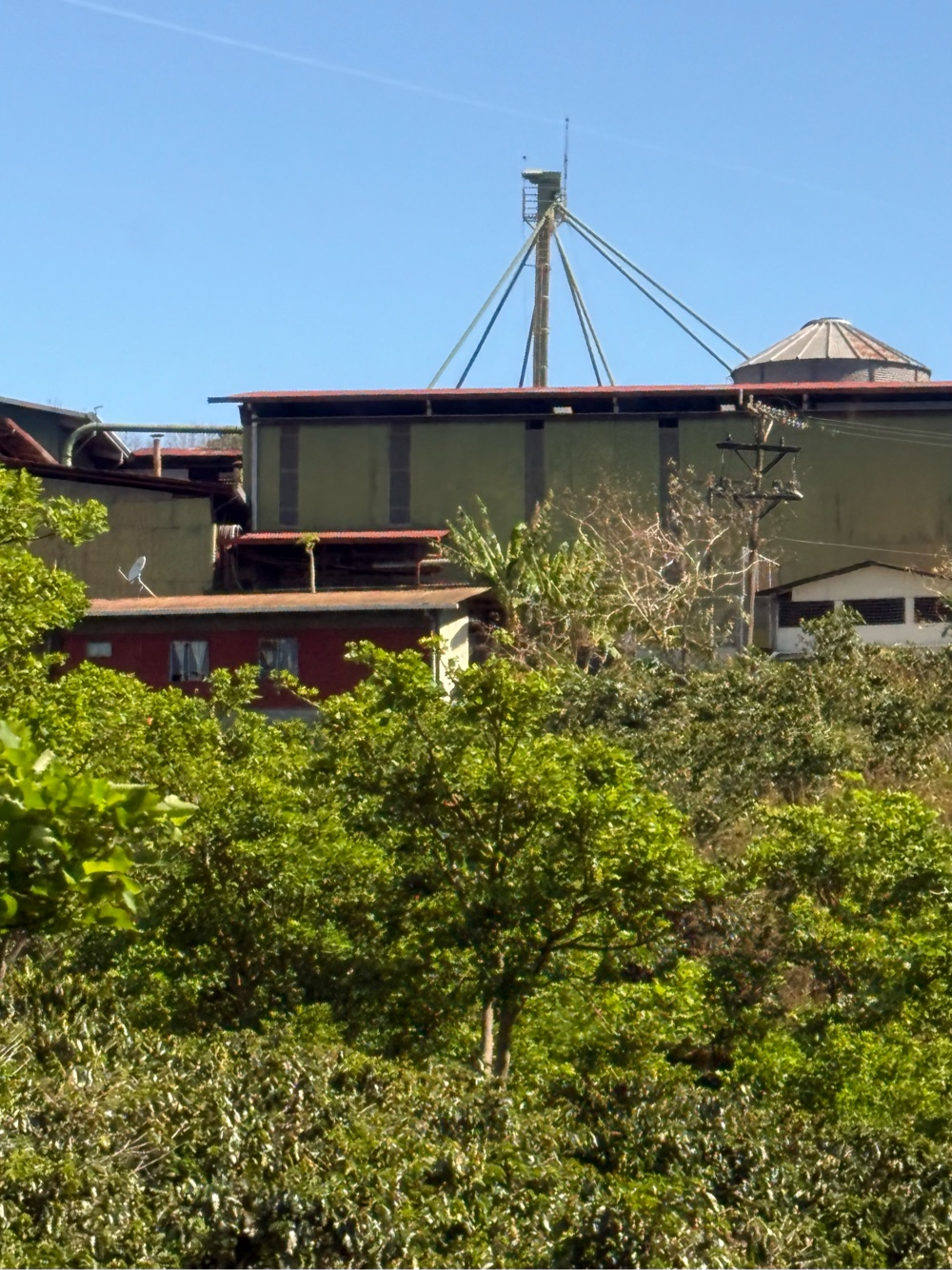
He pointed out a large green building as we passed. That was a modern wet mill. Farmers drop off their harvest and don’t see it again until it’s processed. One person runs the whole thing using computers and sensors. These mills are sealed because the beans are meant for export. Even a tiny bit of dust from a visitor could contaminate the batch. Coffee for export isn’t roasted here. It gets roasted in the country where it will be sold, which is why everything has to stay so sterile.


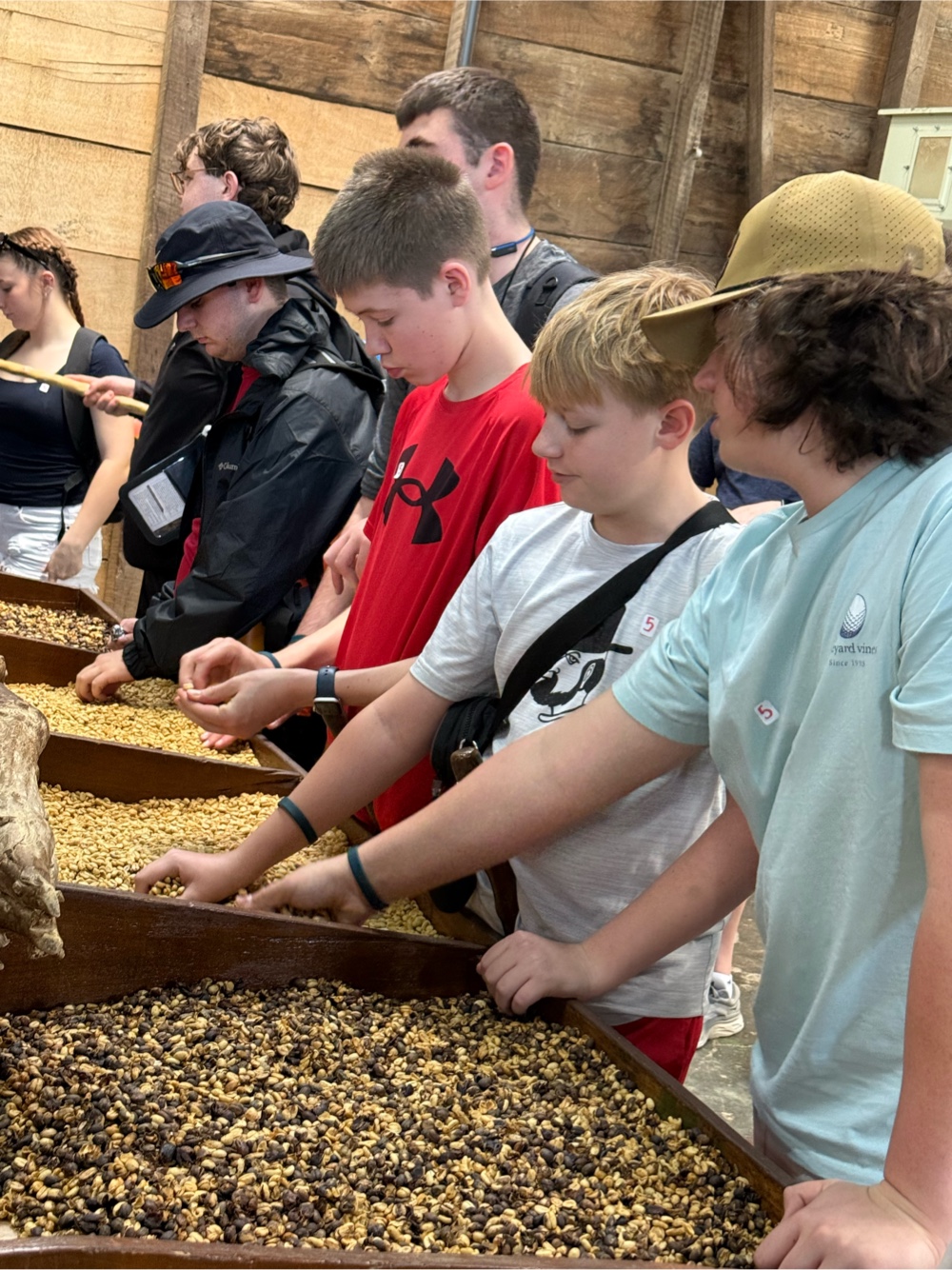
But the mill we were heading to serves the local market, so we’re allowed to tour it. Local coffee is roasted before it’s sold, which kills any bacteria and makes it safe to handle.


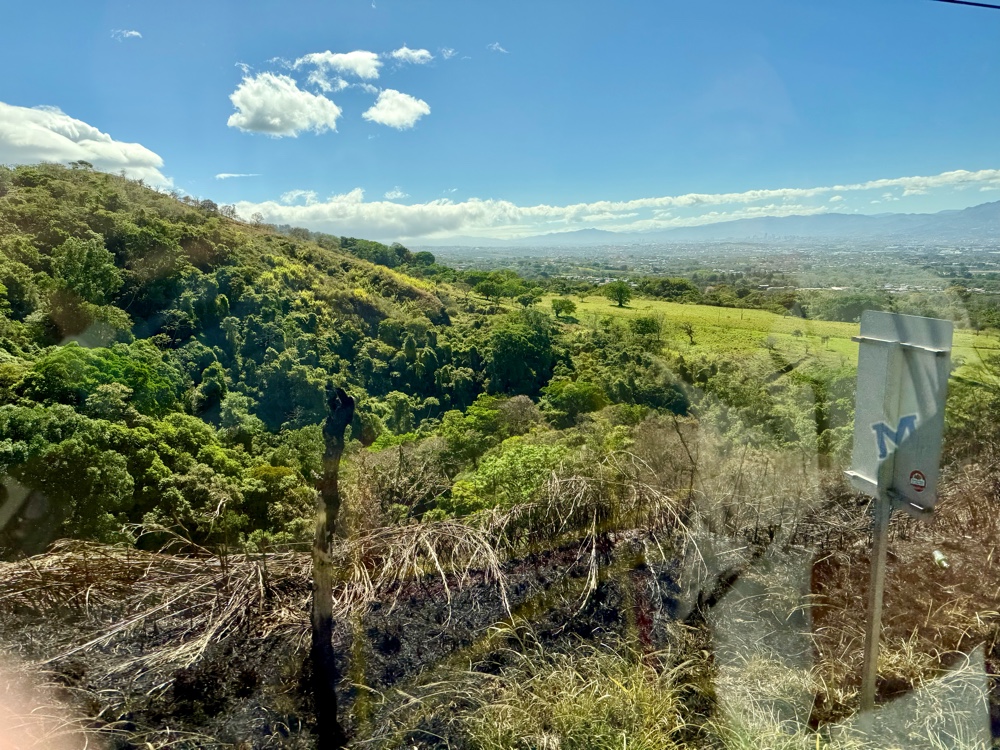
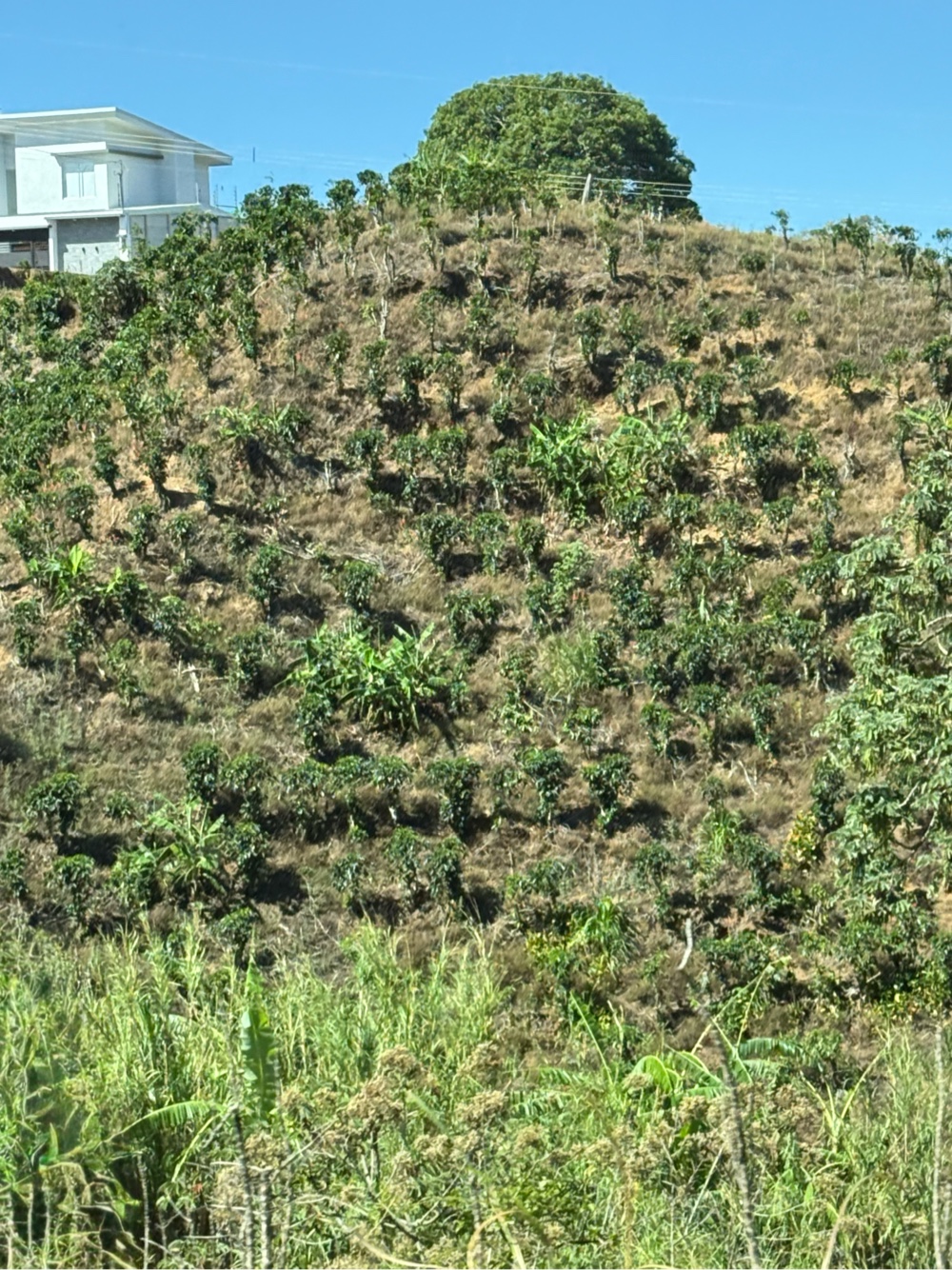
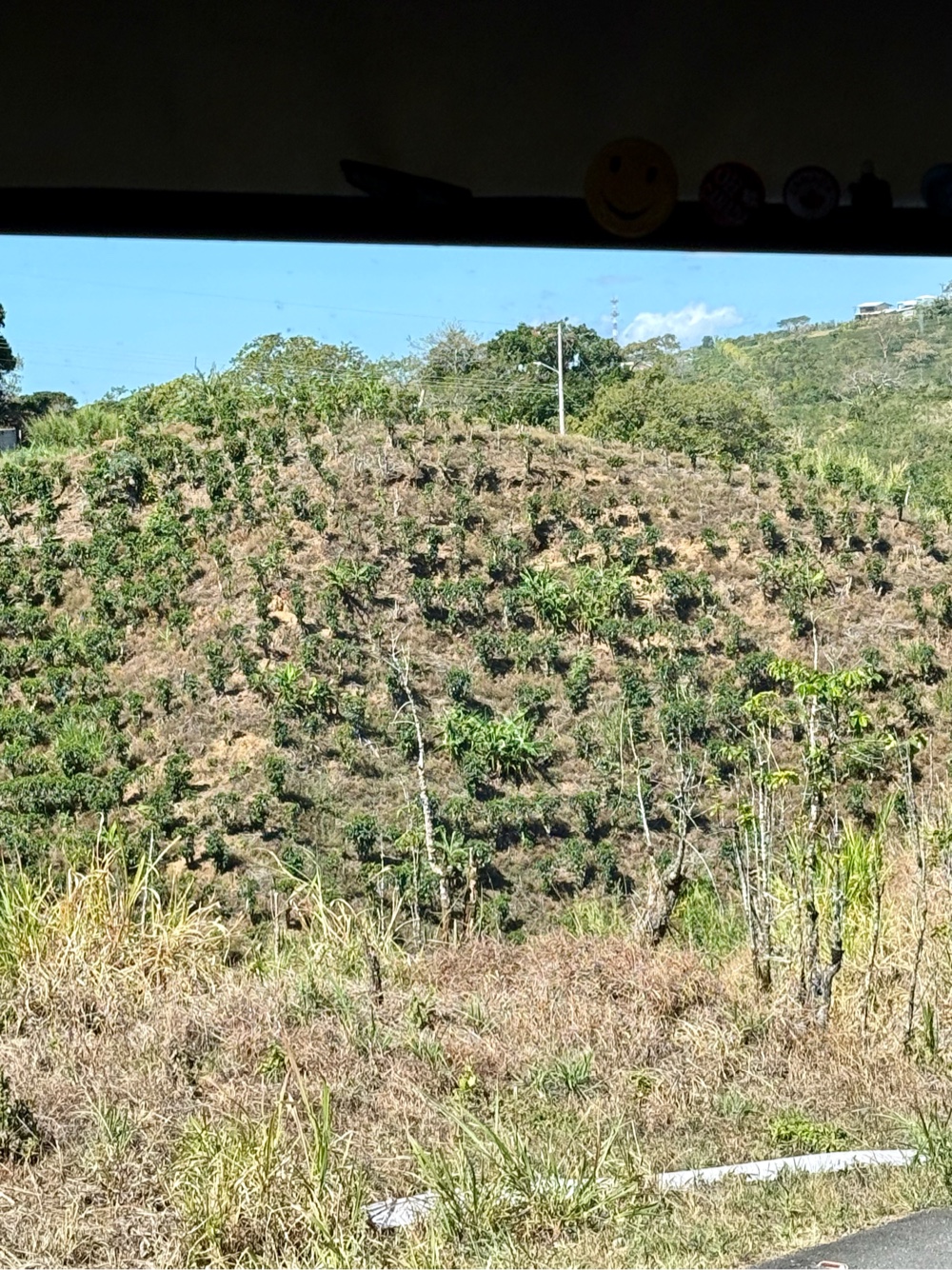
Victor said we are catching the very end of the coffee season, which runs until late February or early March. The drive up the hillside was dotted with small towns and family farms, each with their own patch of coffee trees.


He also talked about the school calendar. In Costa Rica, school ends on the last Friday in November and starts again on the second Monday in February. That long break lines up with coffee season. Years ago, kids helped on the farms, just like kids in the United States used to help with harvests. Even though that’s not as common anymore, the school calendars in both countries never changed.


By the time we reached the farm, it felt like we already understood the place a little better!

Breakfast and Introductions


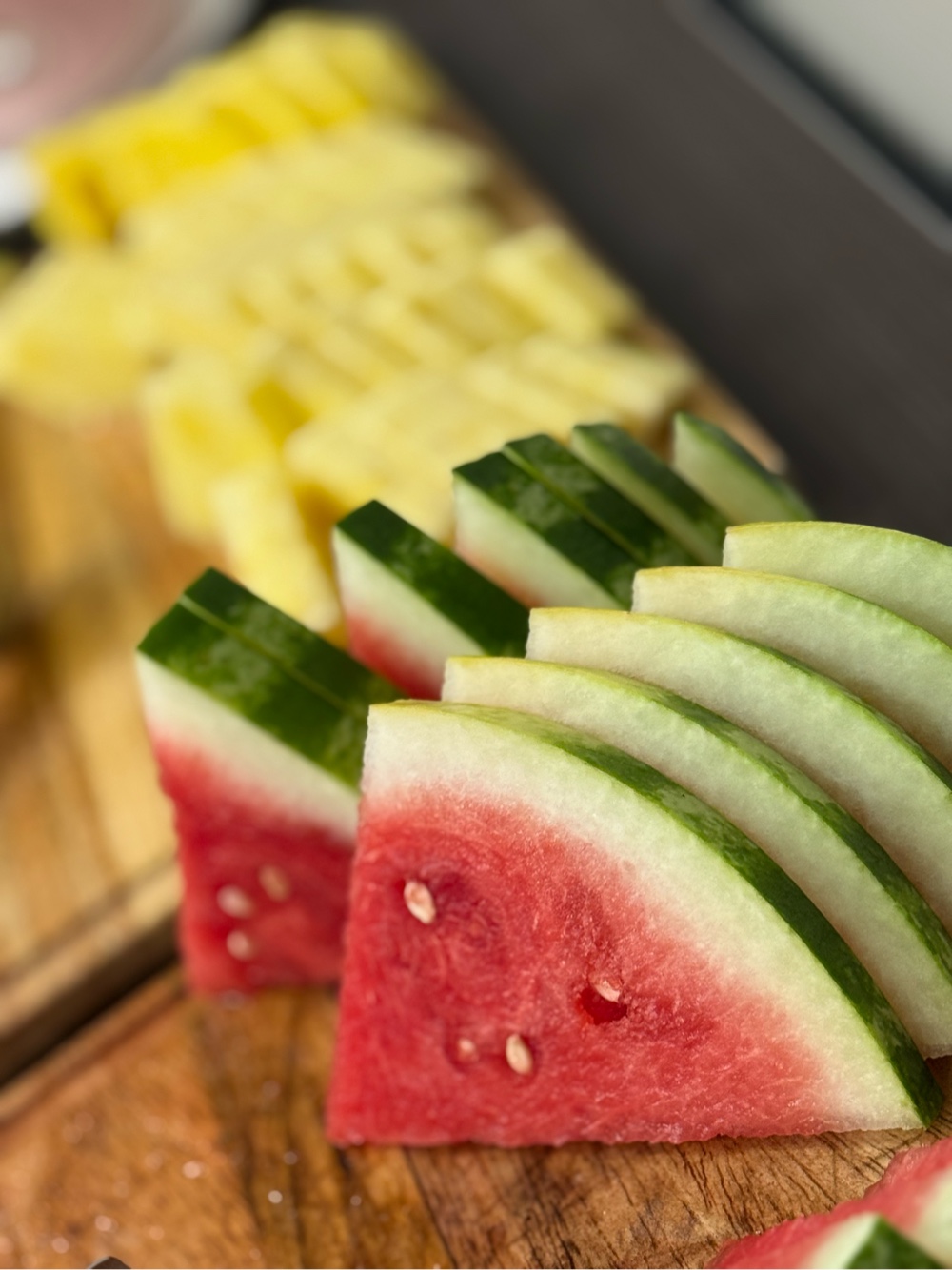
We started the morning with breakfast in a meeting room at the hotel. The kids loaded up on scrambled eggs, mini sausages (one spicy, one not), yogurt, toast, cereal, granola, pineapple, and watermelon.
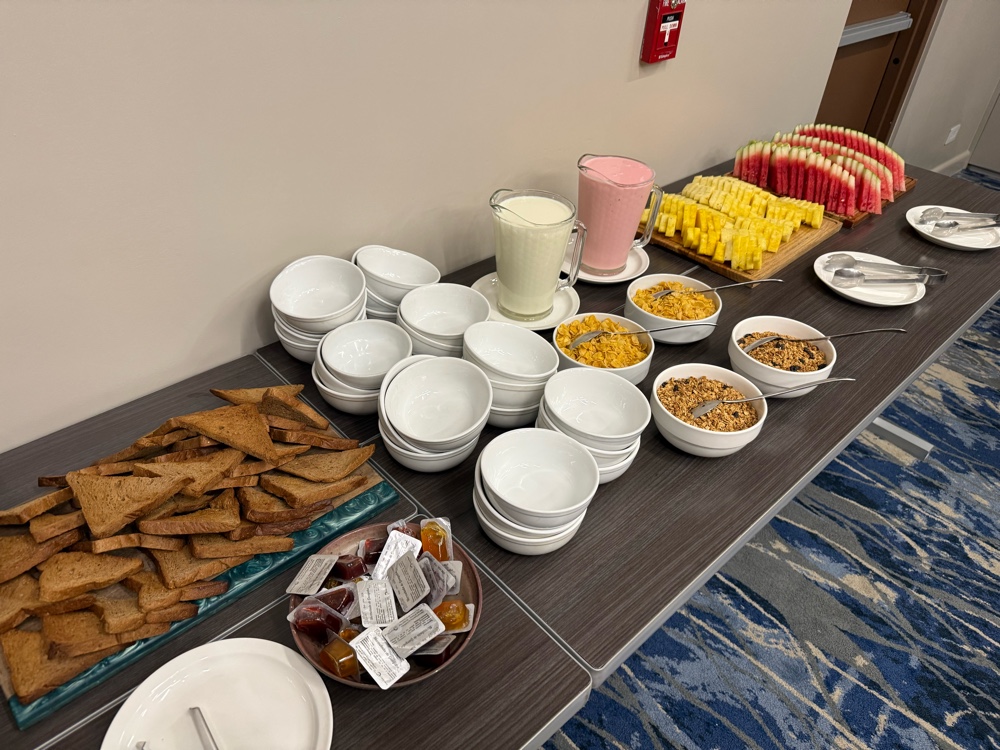
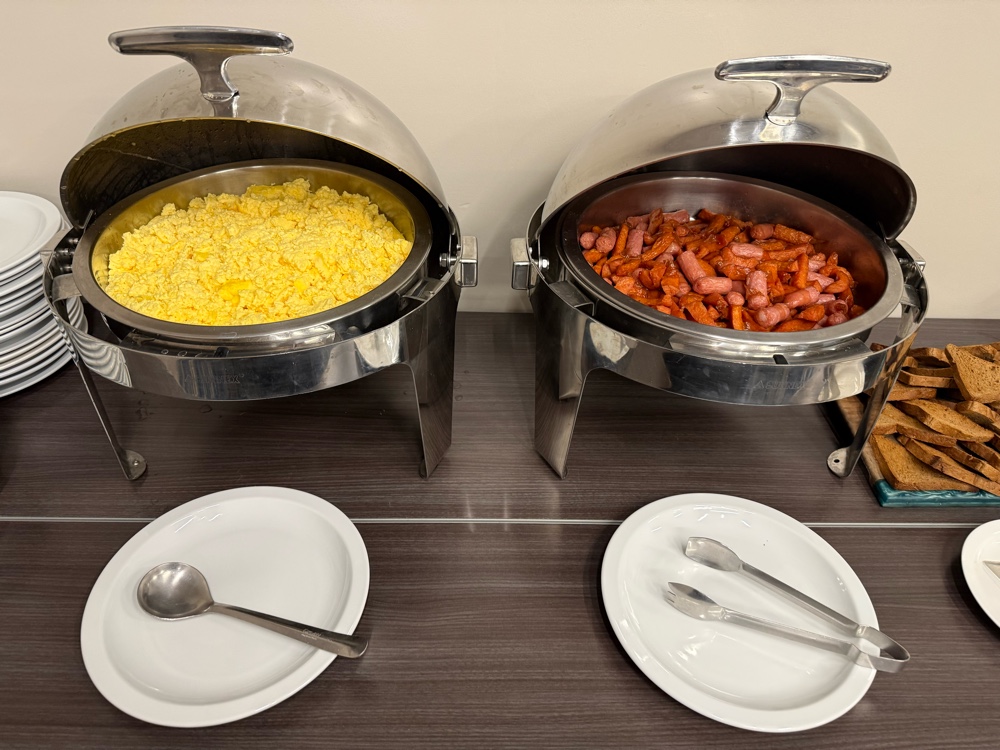

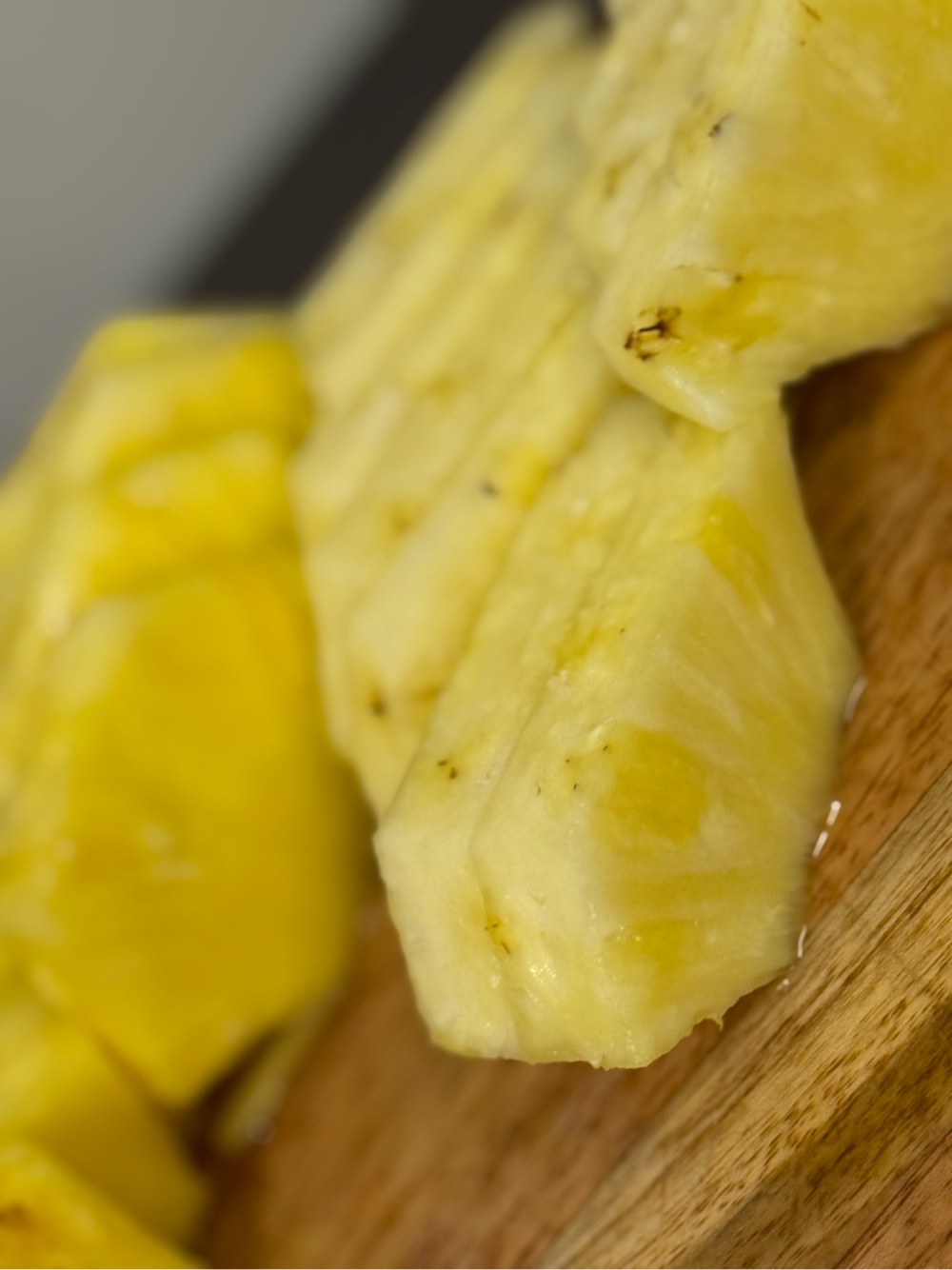
n a country known for its fresh fruit, the pineapple and watermelon did not disappoint!


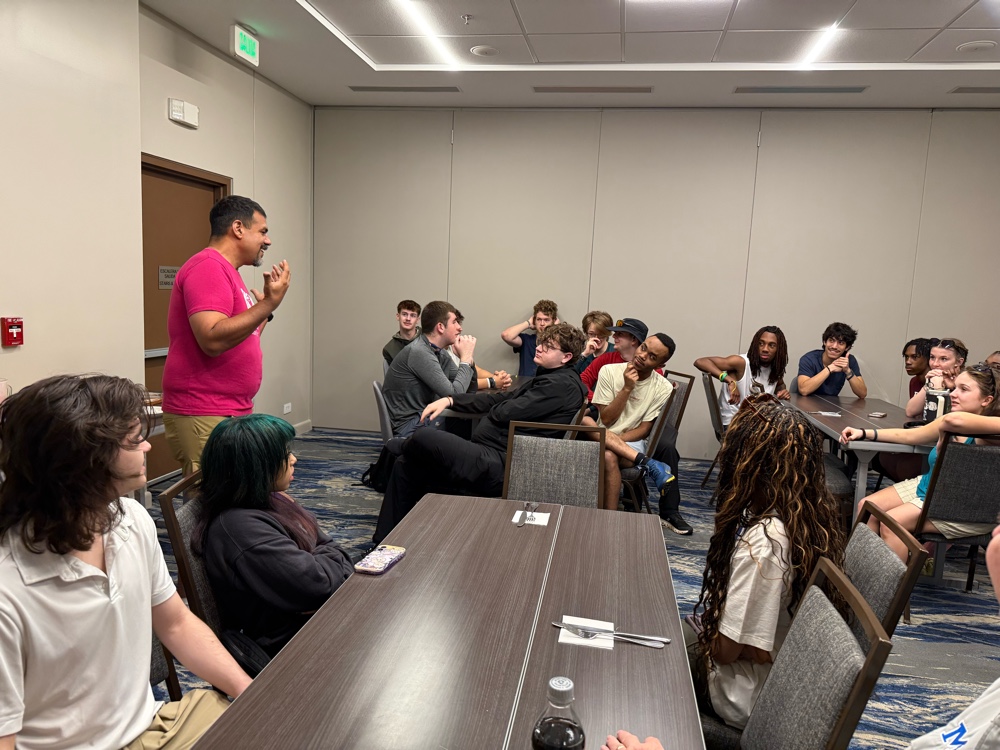
After we ate, we kicked off the day with introductions so we can start to feel like a family on the road. Victor, our tour director, went around the room and asked each student to share their name. After that he asked the group, “What’s one thing that’s unique about your school that makes it cool?” The kids called them out -  Our band. Our clubs. Classes for every interest. The boys basketball team winning the state semifinal last night and advancing to the state championship. Three wrestlers earning state titles. It was a good reminder of how much pride they carry with them as MHS Blue Devils!

Next we had the chance to meet our bus driver for the week, José. José told us he grew up in Guanacaste on the north side of the country (and one of our future stops!). He moved to San José when he was sixteen and has been driving with this company for ten years. His dad owns a truck fleet, so he has been around big vehicles his whole life. He lives here in the city now and has three children. Before driving, he went to cooking school and became a Class A chef, but he likes being outside wmore. As a kid, he played a lot of soccer.

The students asked him all kinds of questions. Would he join us on activities? (No, he has to stay with the bus for safety reasons.) Did he like his job? (Yes, he loves it.) Did he play sports? (Yes, soccer, like everyone else, when he was young).

Then Victor told us about his own background. His family comes from the northern region where Spain never built formal settlements and is home to one of the last encomienda’s. A priest once ran an orphanage there and introduced Catholicism to the area. Victor’s grandfather grew up in that orphanage and took the priest’s last name, Carmona. Many families share that name today without being related.
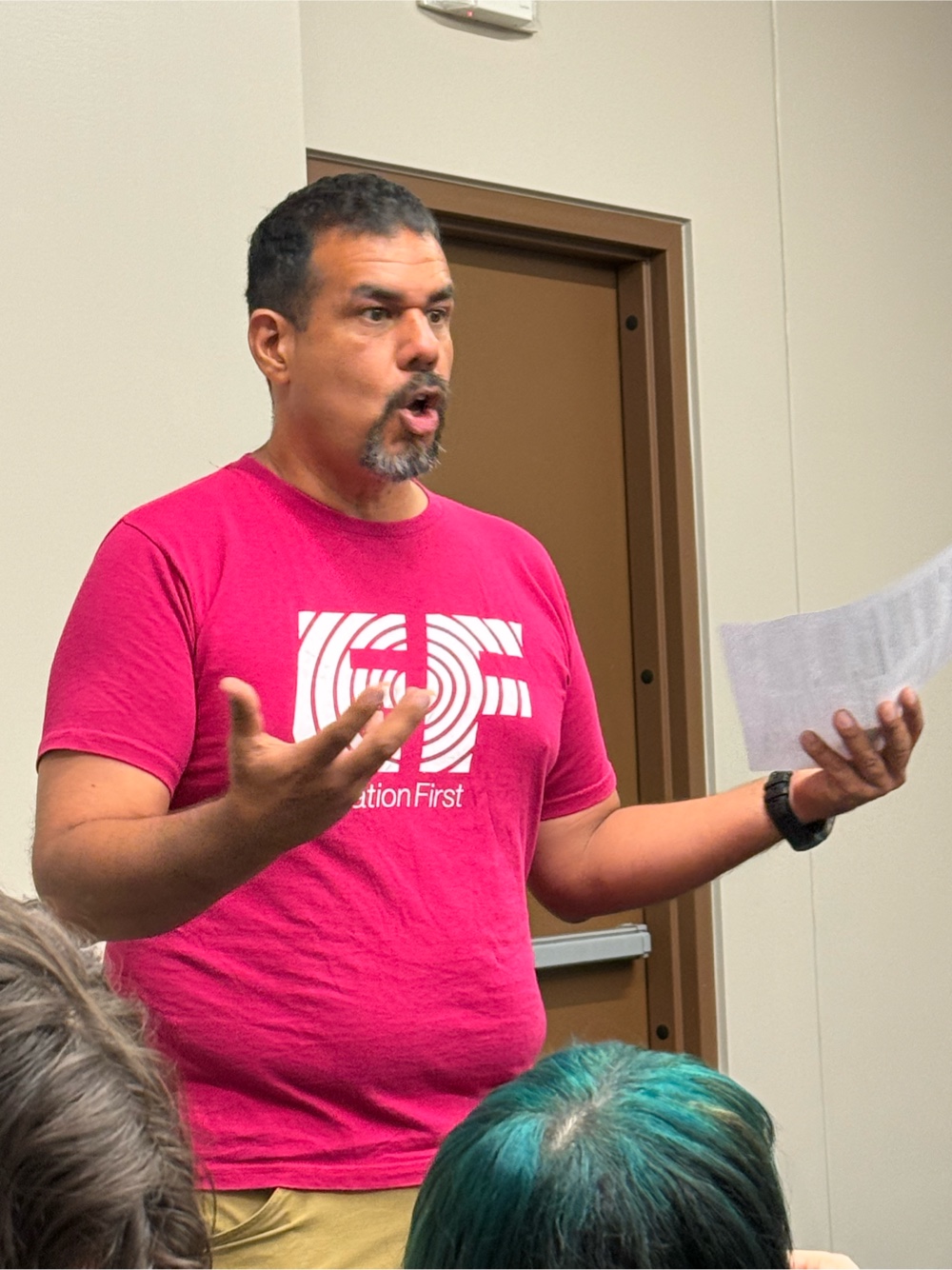

His other grandfather came from Navarra, Spain. He migrated to Costa Rica during the Spanish Civil War when the government offered free land in the north in exchange for farming. Victor grew up on a small island city that is completely surrounded by water, with only a thin strip of sand connecting it to the mainland. Later a railway connected it as well. The name Puntarenas comes from the idea of a “point of sand.” It’s also where the first Spanish conquerors arrived.

The little red circle is the tiny island and the bigger one is the area of Puntarenas  
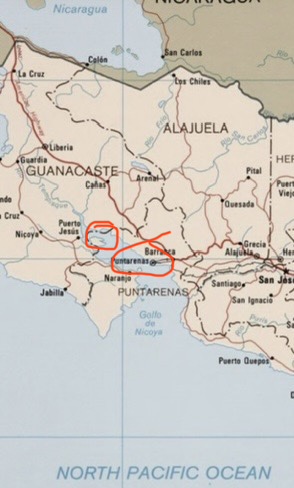
He said he grew up barefoot, not because of poverty, but because you simply didn’t need shoes. The island is less than half a mile wide and two miles long, with about 5,000 people. Everyone knows everyone, which means you can’t get away with much when all your neighbors also know your parents.
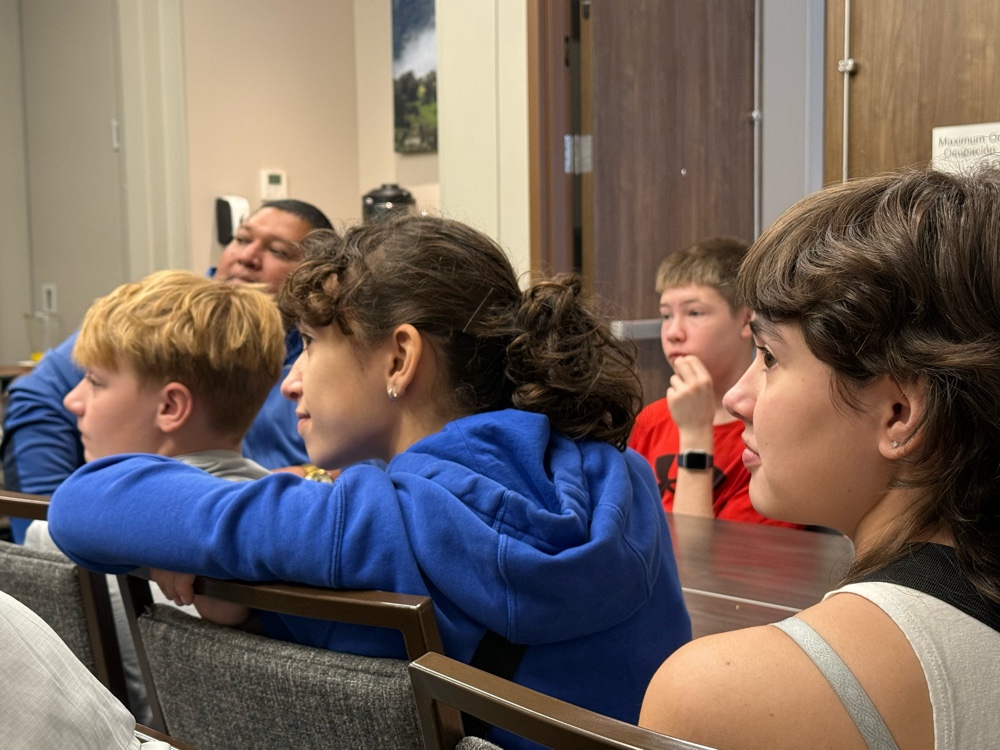

Victor shared how a teacher changed his life when he was about seven. She showed the class a map of Costa Rica and explained the mountains and oceans. Later she brought a world map and talked about the continents and the poles as frozen oceans. It made him realize the world was bigger than the island he knew. She told them that if you do your homework and work hard, one day you can see it yourself. He said something inside him kept repeating that message. It pushed him to study, to leave home, and to explore.
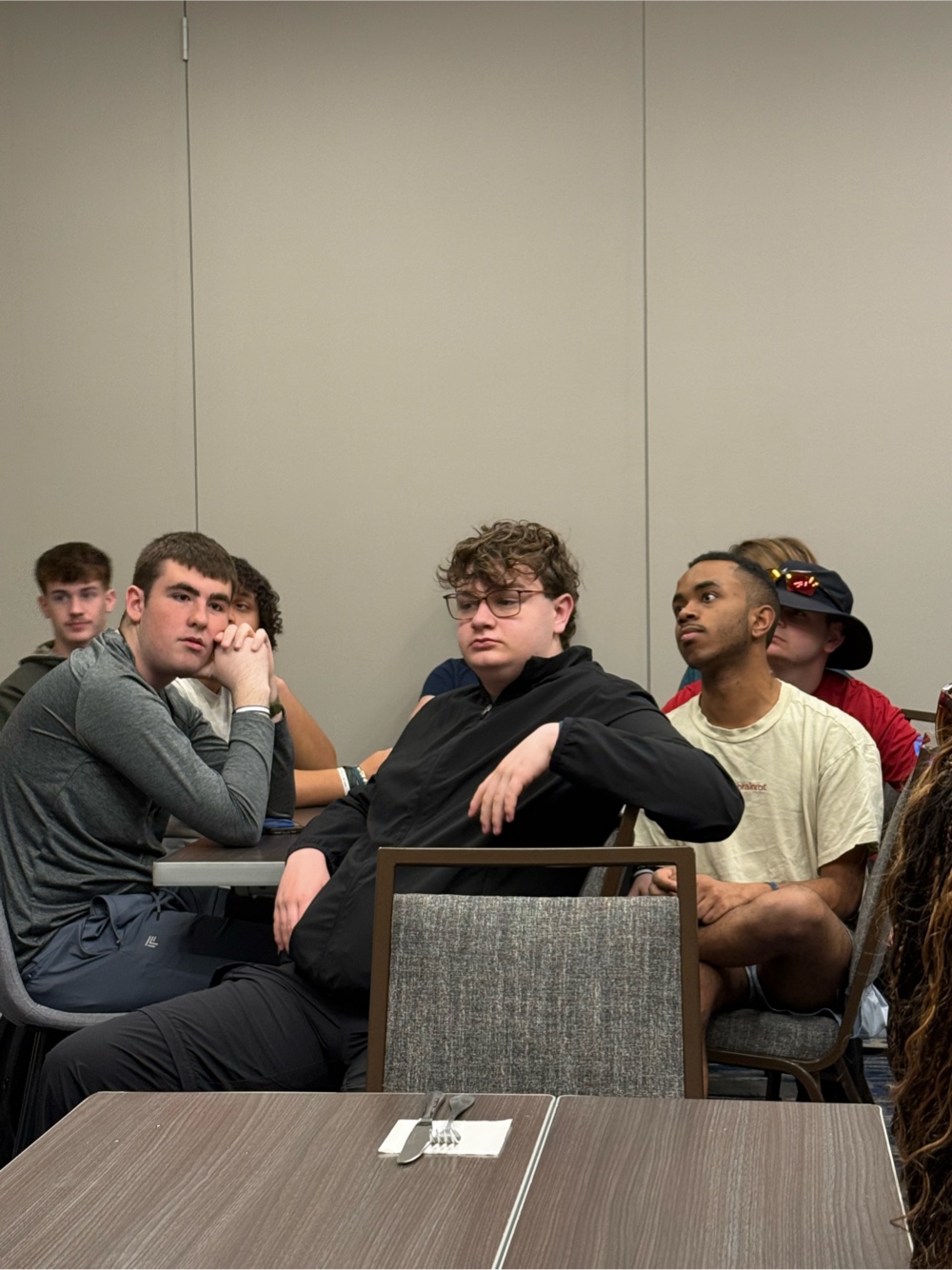
He eventually moved to San Jose for college and earned a business degree at the University of Costa Rica. After graduation, he worked for a travel company whose owner had studied at the Sorbonne. Victor went back to school and earned a second degree in tourism. He’s worked in the field since 1999 and with EF since 2005, so that means we are in for a great guide! He also spent a few months studying abroad in Lyon, France, where he earned an international certificate in Spanish, English, and French. He is the first trilingual member of his family and leads trips here in Costa Rica for both French and English speaking groups.
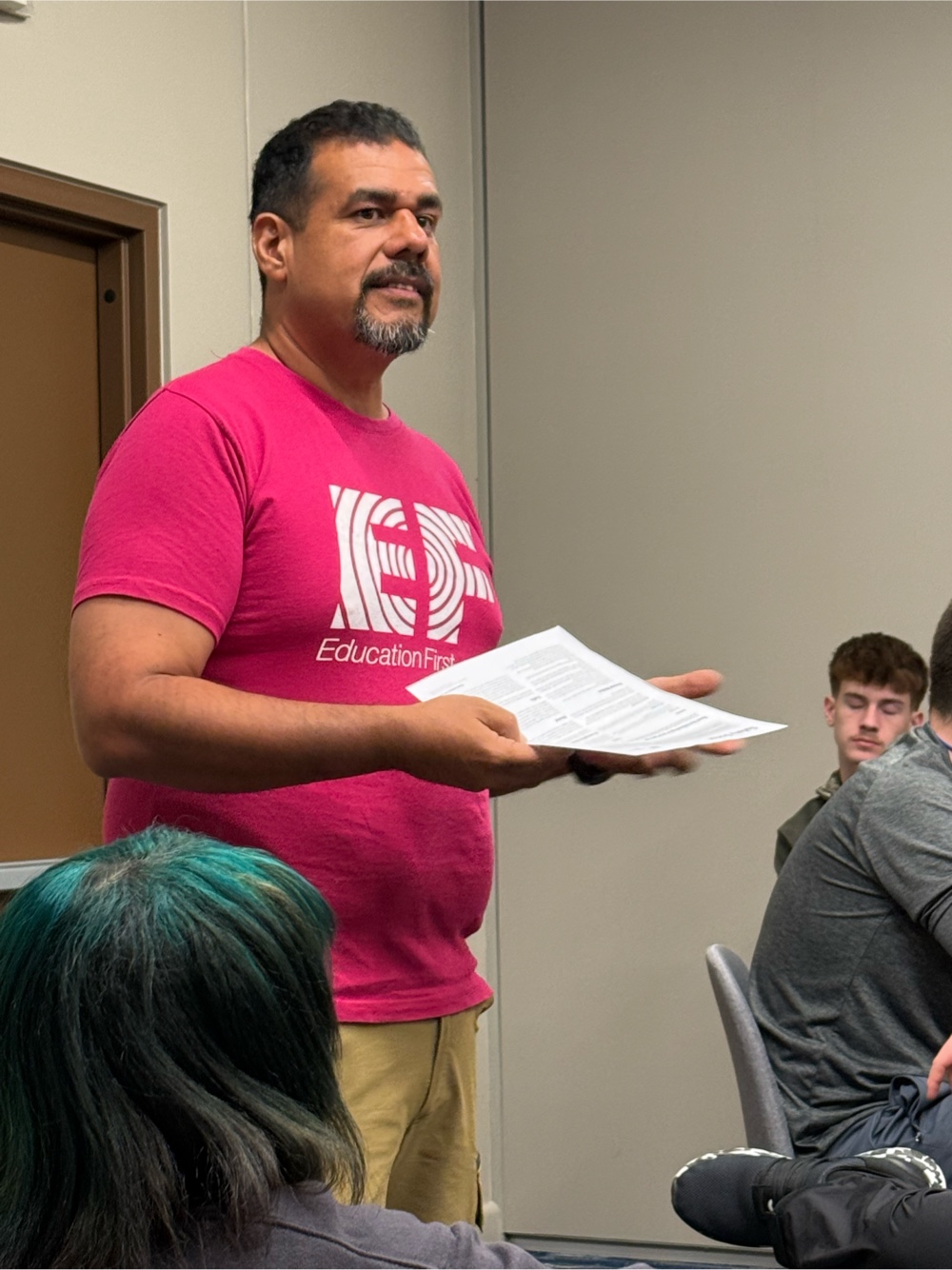

The students asked if he plans to travel more when he retires. Victor said he’s spent his whole life traveling and so he’s looking forward to staying home in his rocking chair! When they asked his favorite place, he said Iceland, because it reminds him of Costa Rica but in complete reverse. Two tectonic plates collide there and two separate here in Costa Rica causing both to have earthquakes and volcanoes. They have almost no trees in Iceland while Costa Rica is thick with rainforest. Their climate is dry and cold, while here it is warm and green.

After our morning meeting it was time to load up the bus and head towards our first destination of the day!
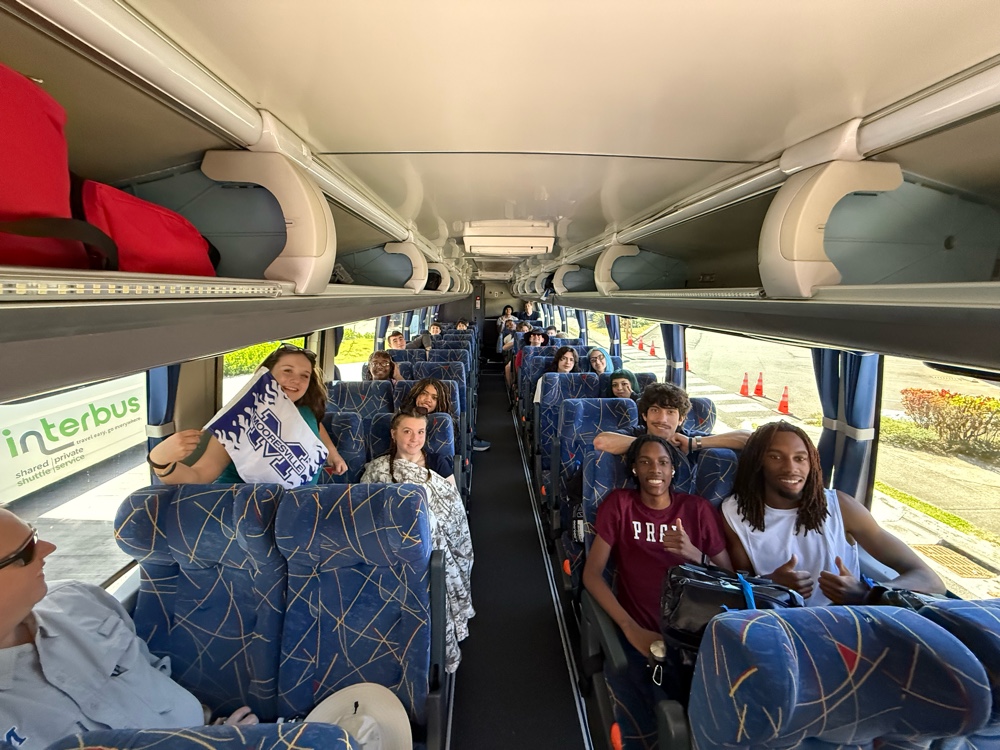

Go go go

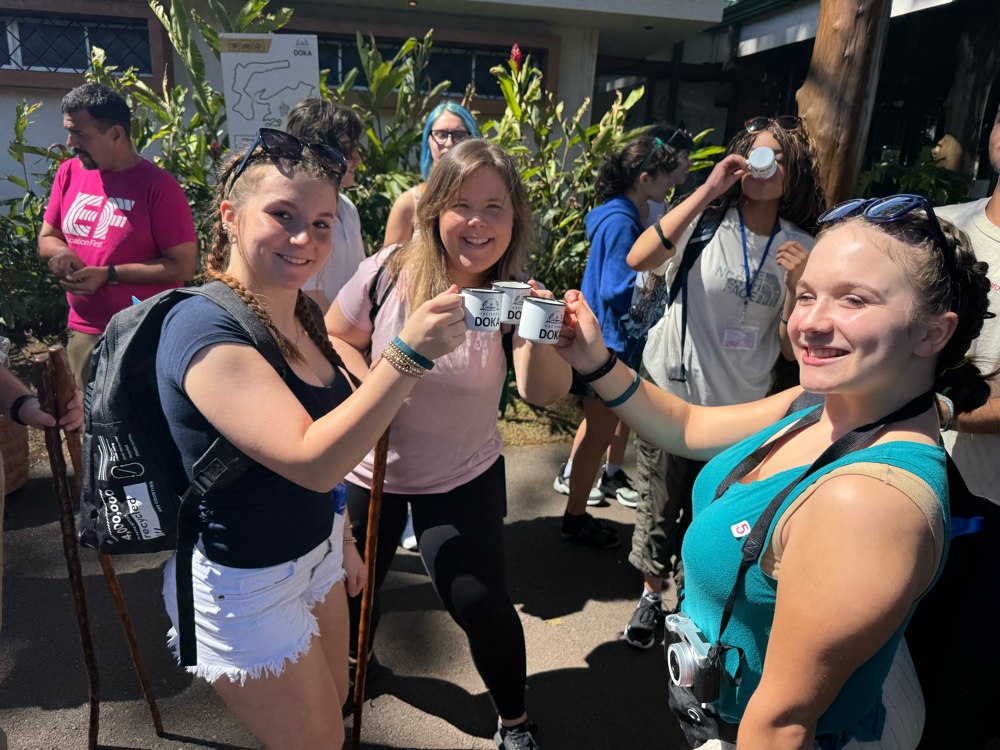
Y’all our tour guide is so great and we are keeping so busy I can’t even keep up! I promise we are alive and well and having a great time. Here’s just a few photos from our morning adventure to tide you over until I have more time to write!


Hotel in San José

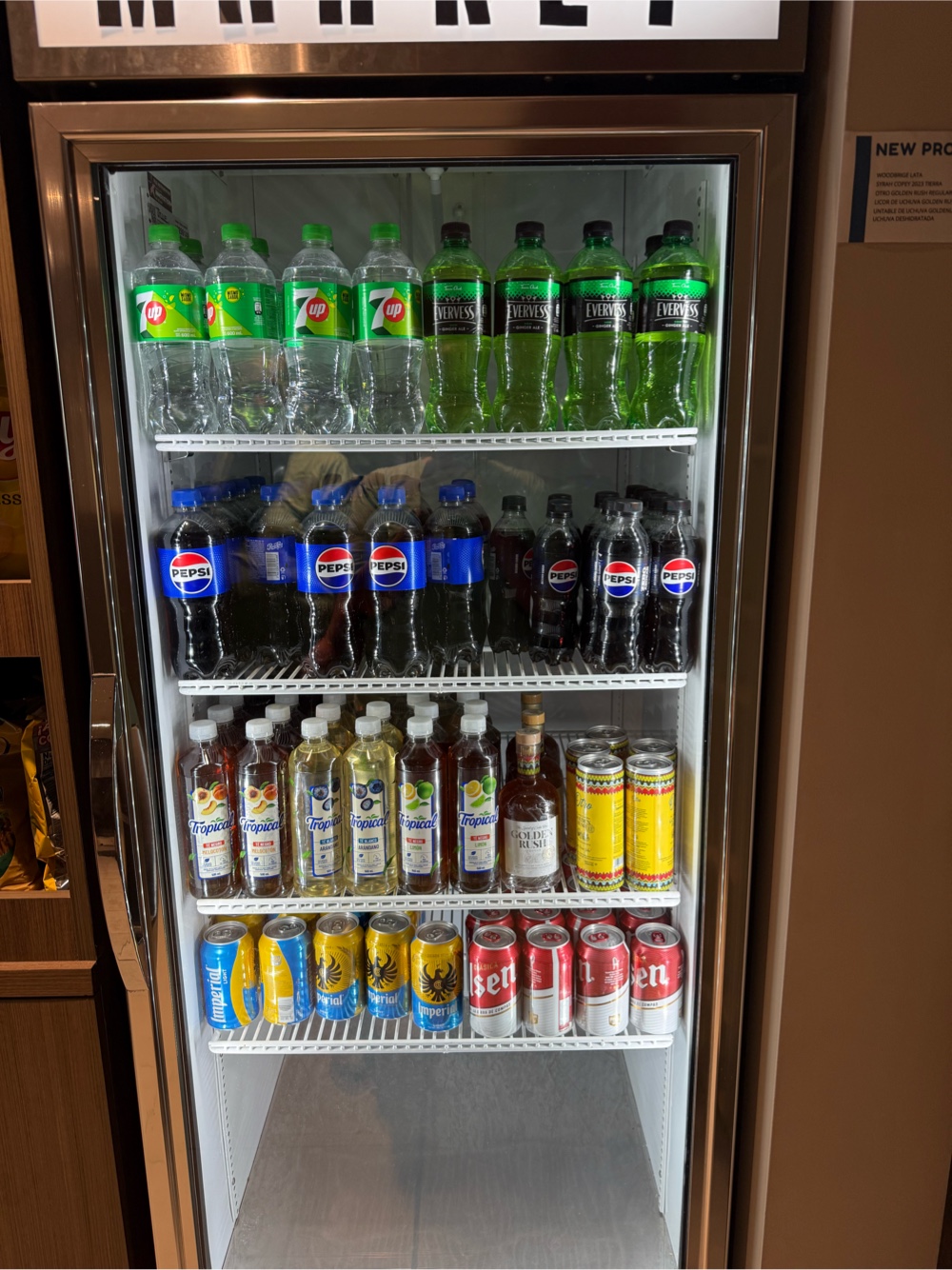
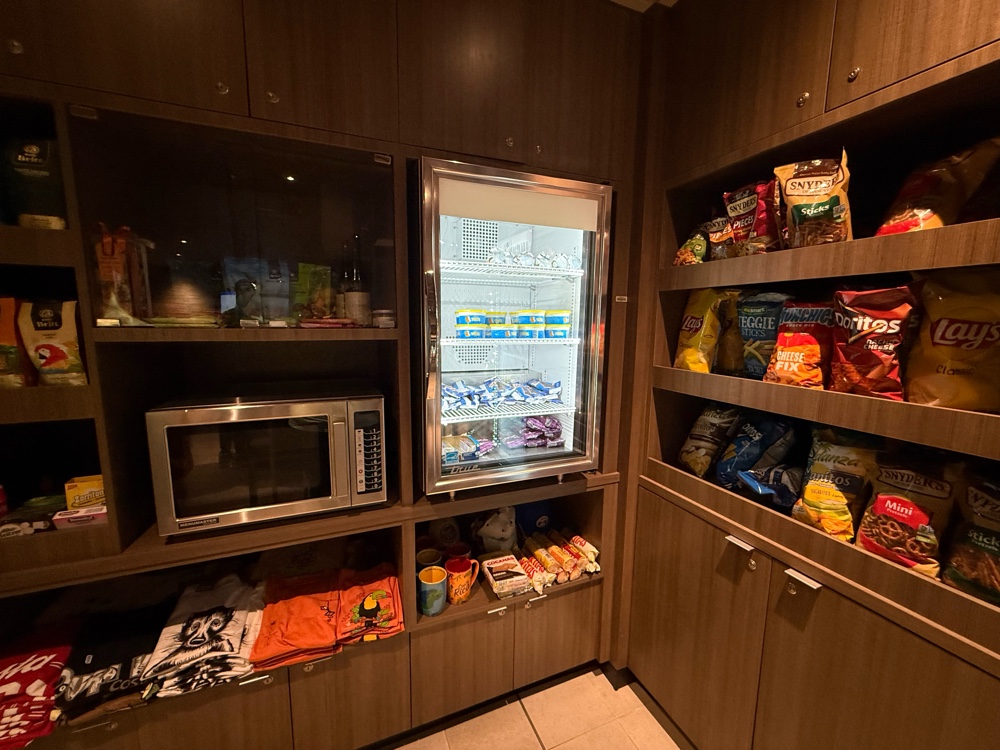
We are staying at a Fairfield Inn by Marriott tonight. It was only about 5 minutes away. And since it’s an American chain, it had the typical look of our hotels at home including ice machines, snack bars, and large rooms with great air conditioning. 


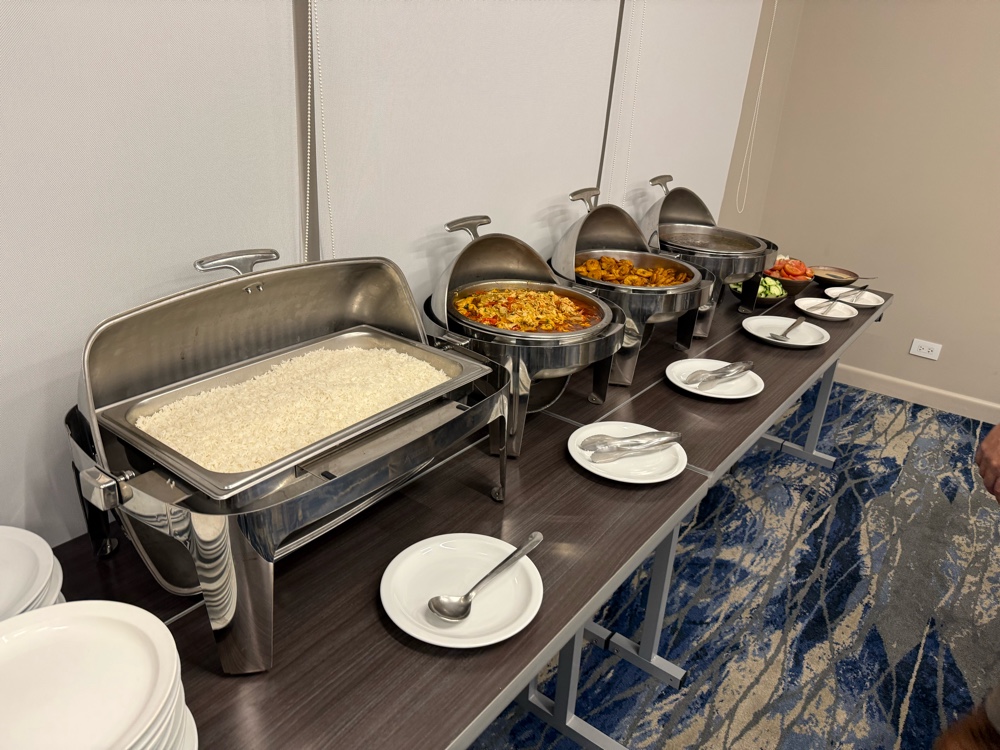
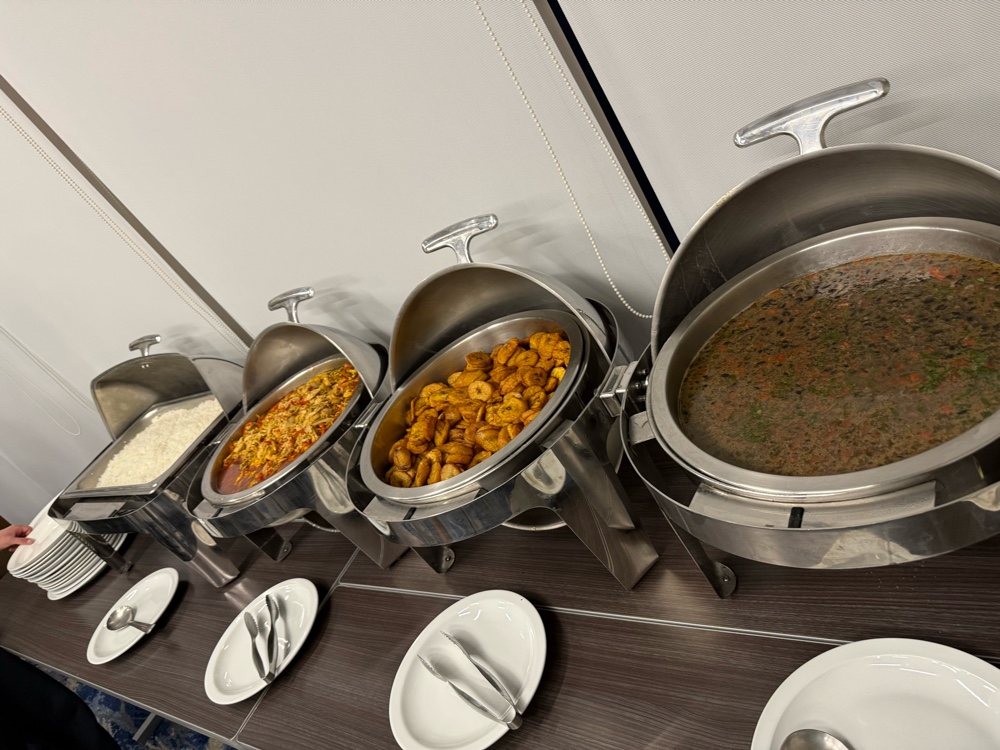
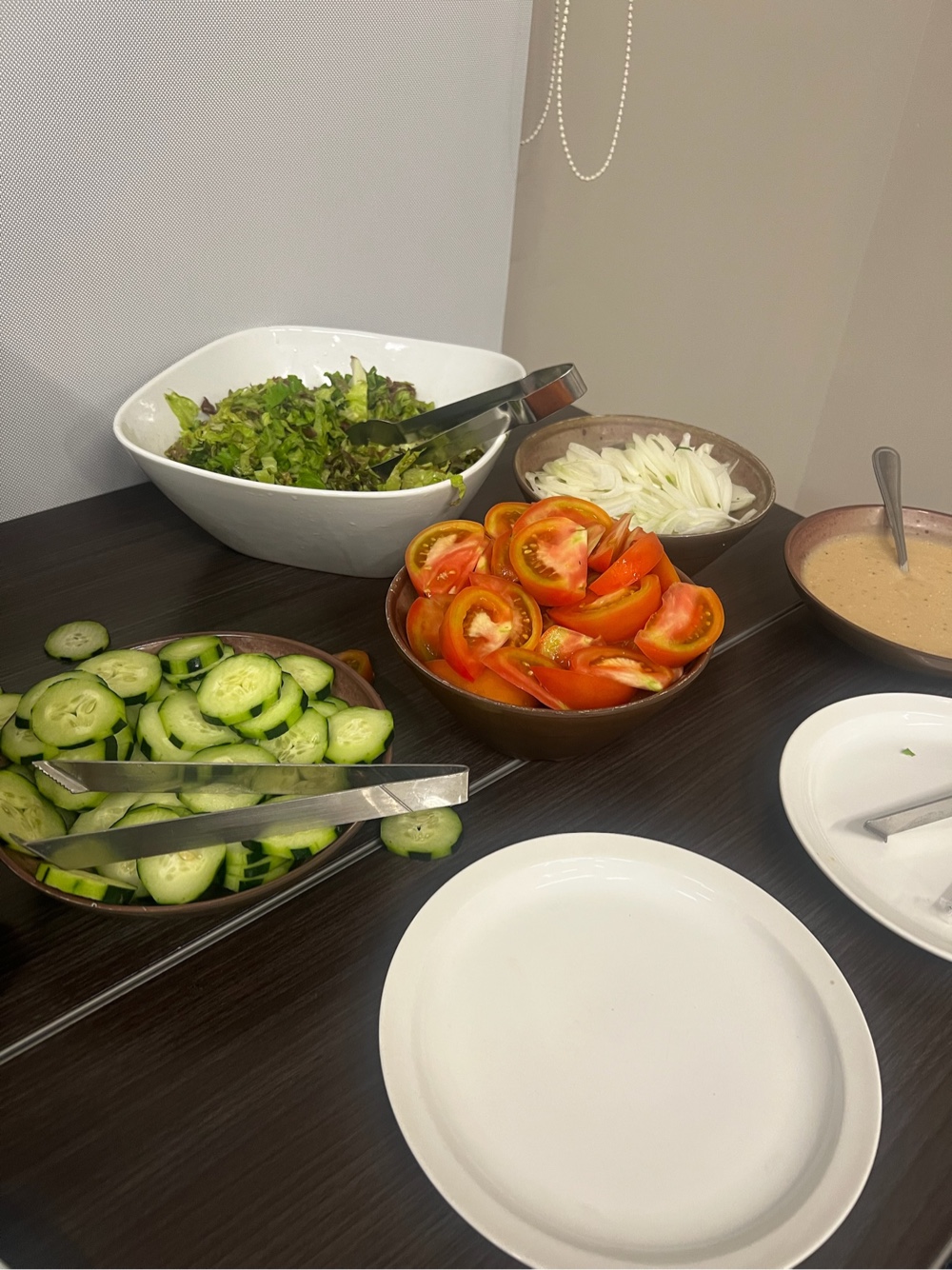
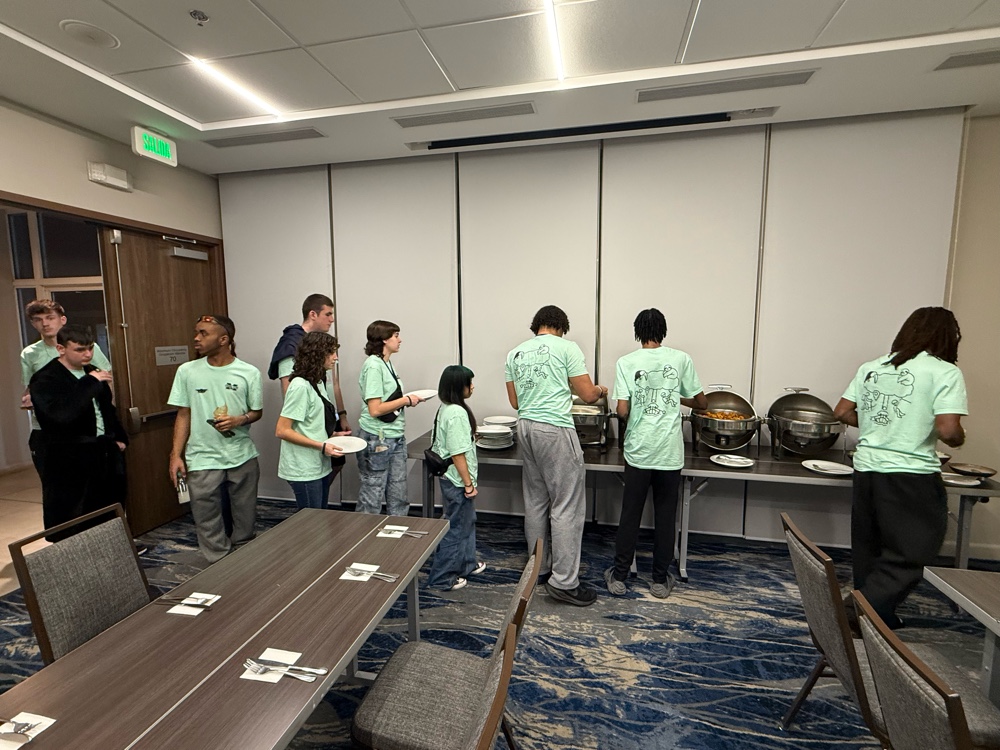
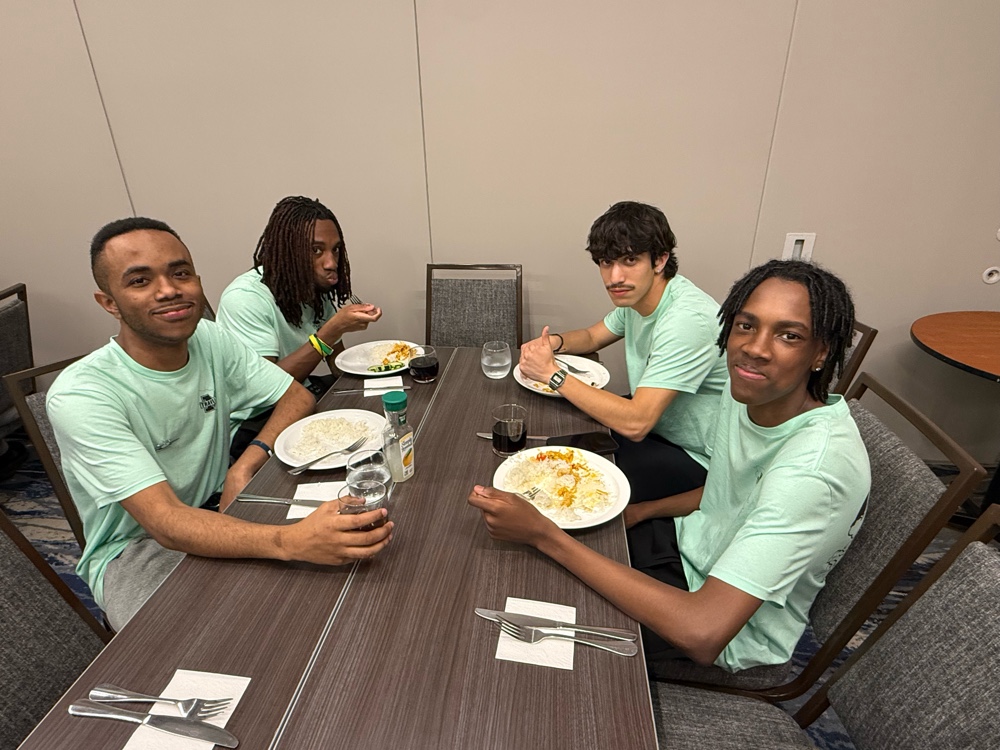
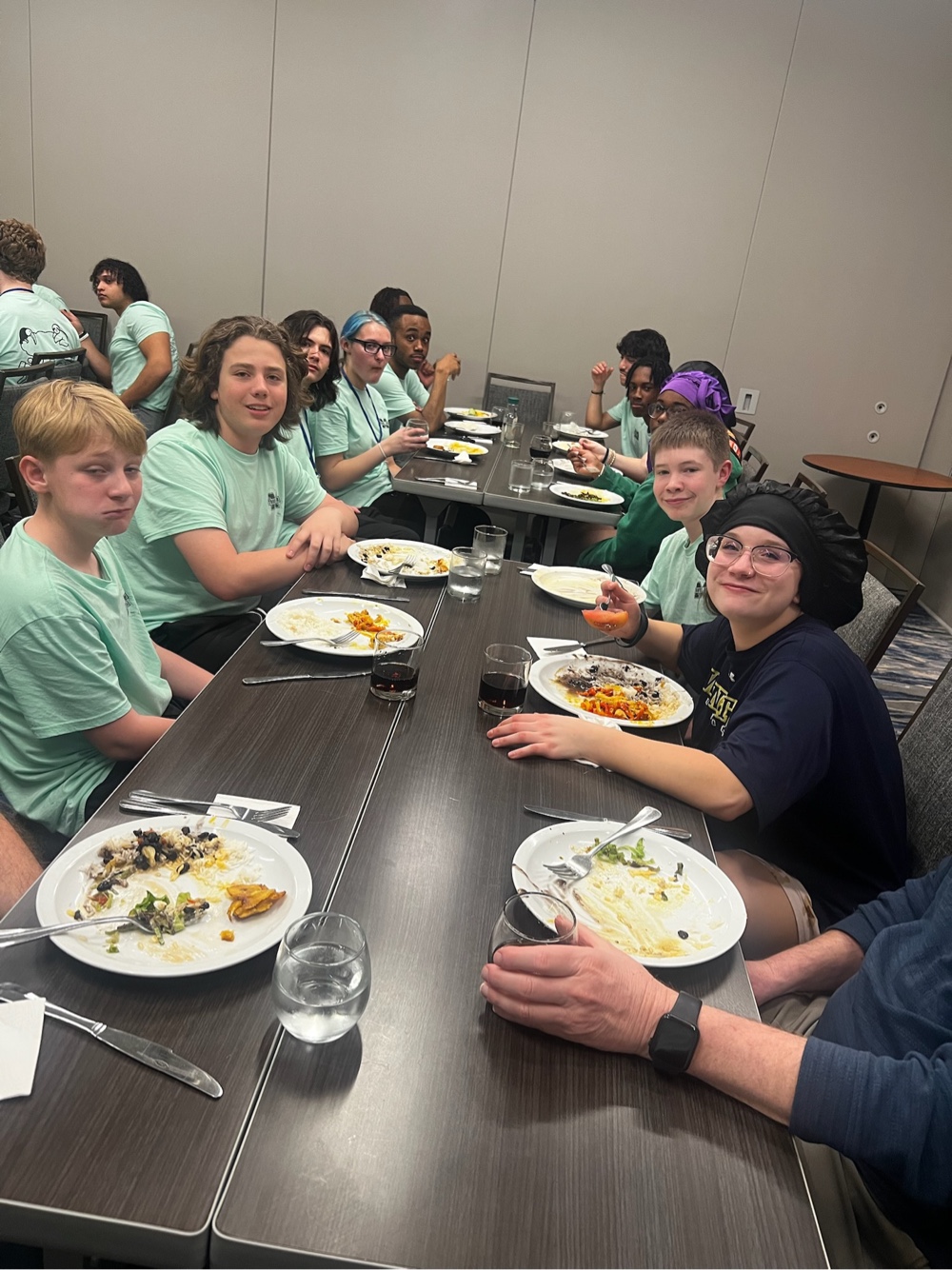
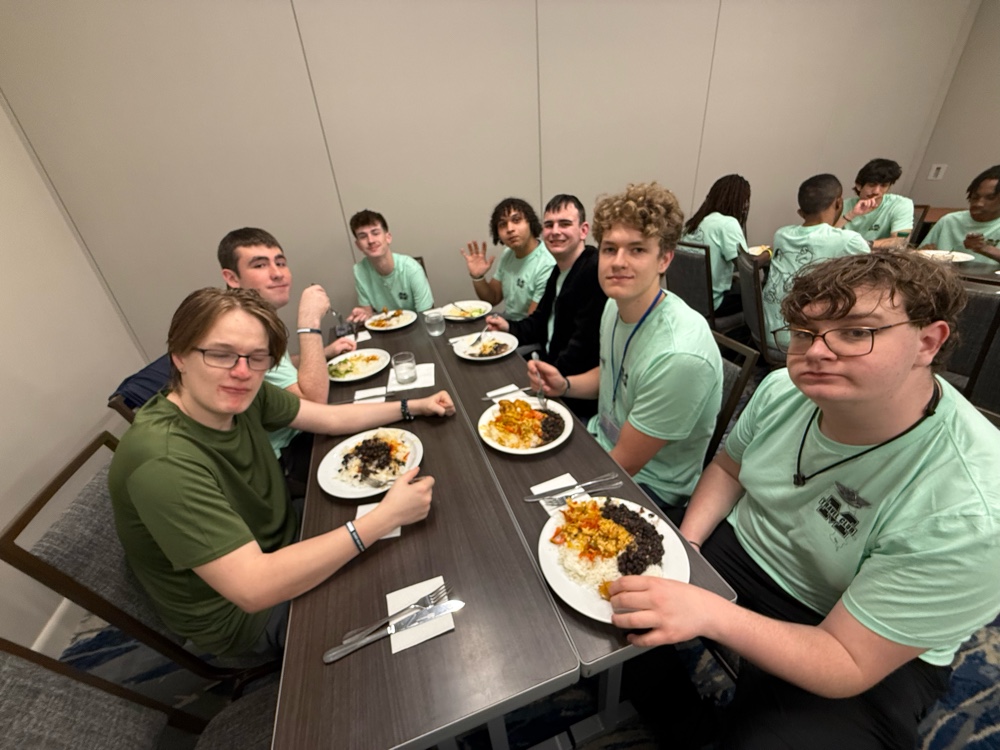
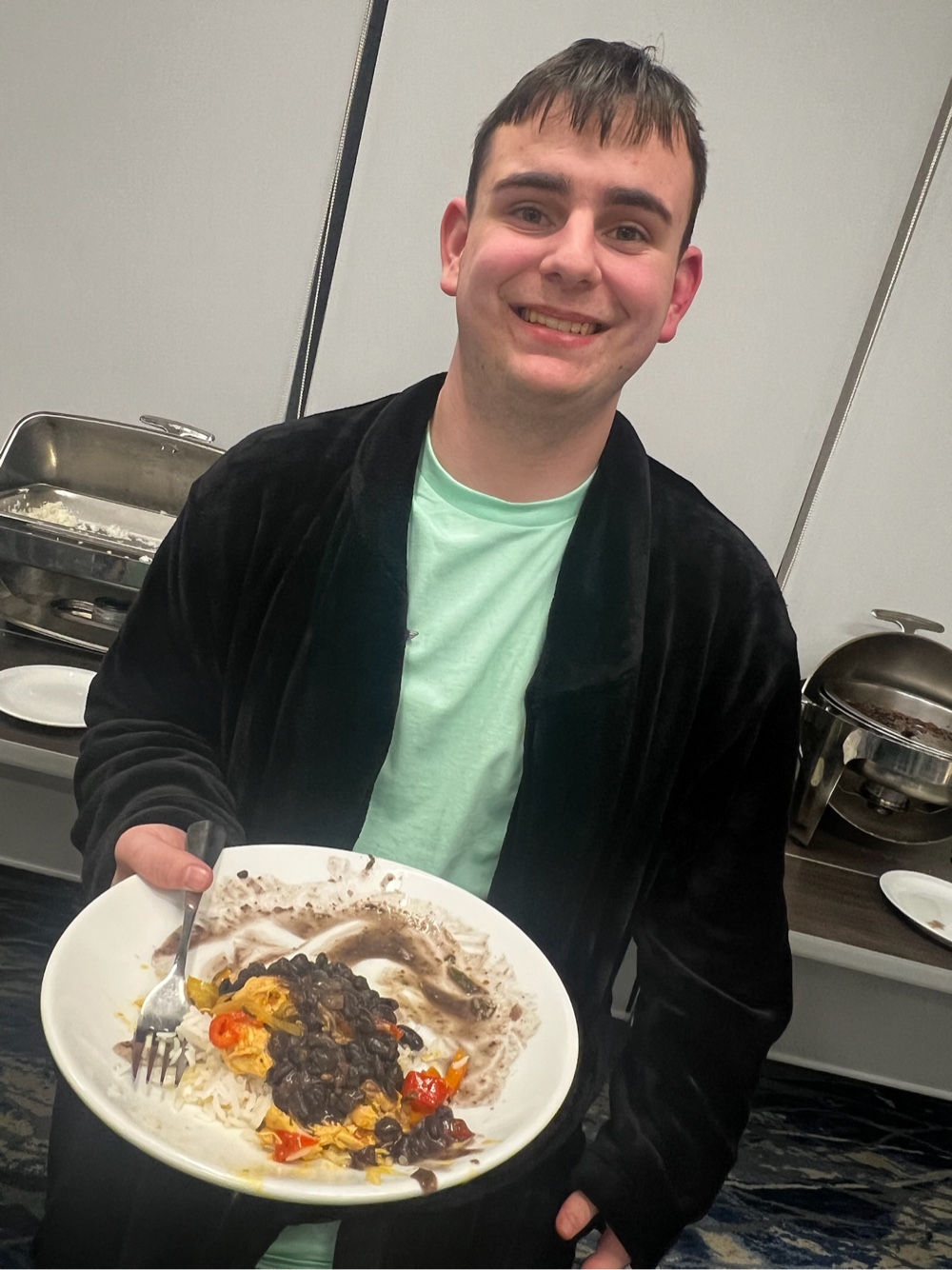
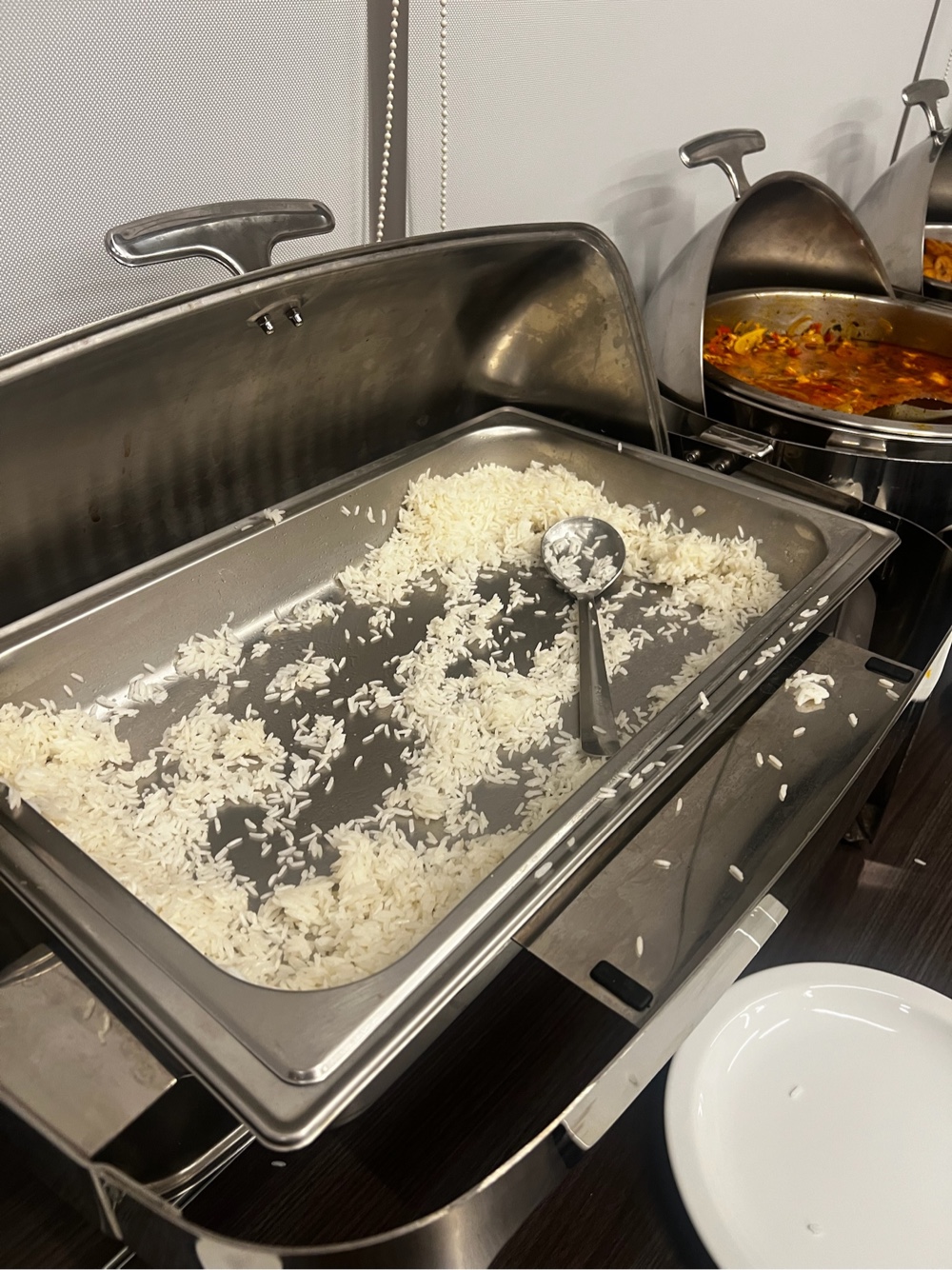
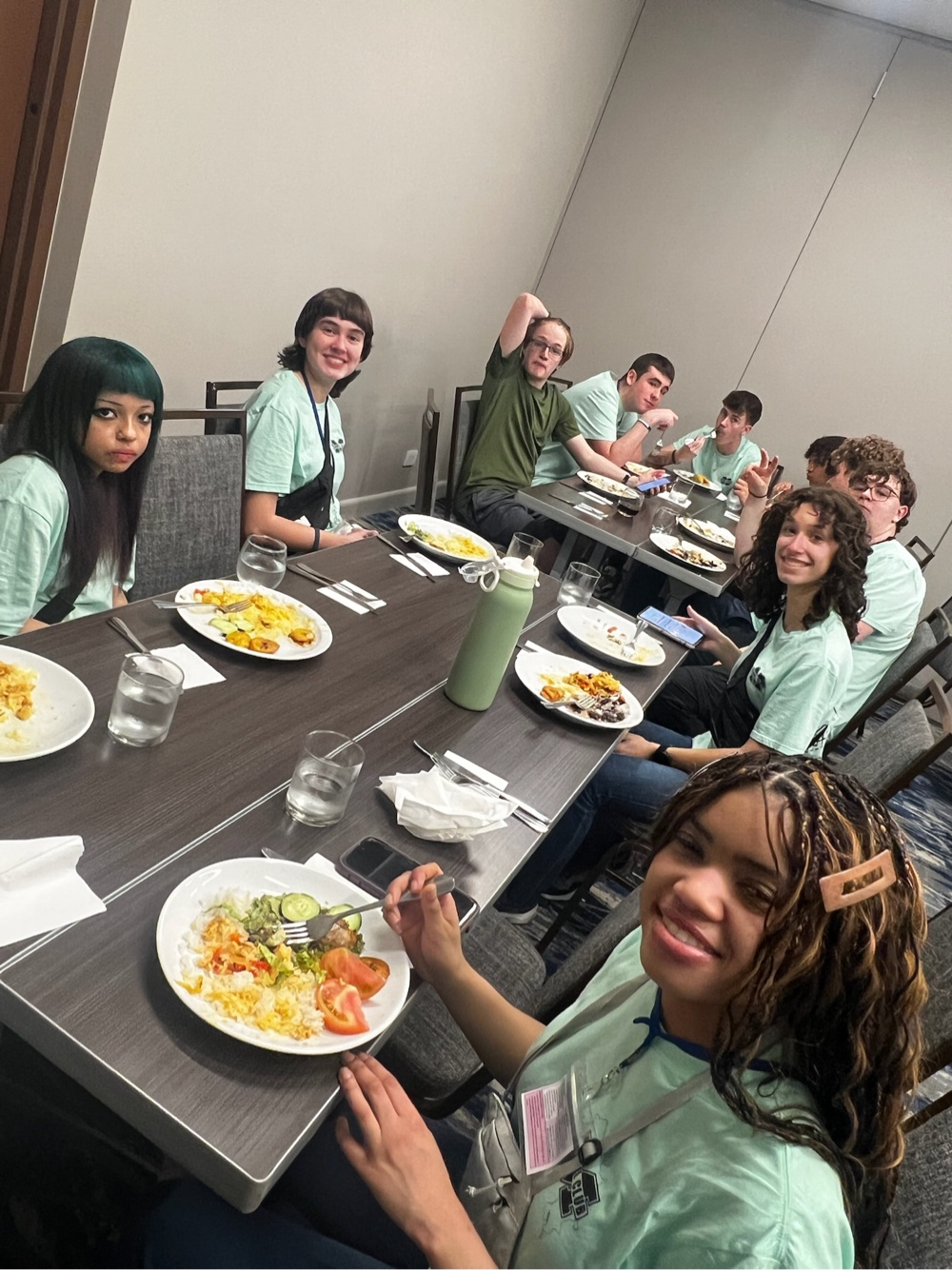
Victor surprised us with a hot dinner for our group in a meeting room. After we got everyone checked in and dropped bags we headed back downstairs to eat. The kids were so happy to see the food!  Our meal was white rice with a tomato, onion, pepper pulled chicken, plantains, beans and salad.


The kids gave it several thumbs up! Not sure if we were all just super hungry but everyone ate very well!


I’d say they did a pretty good job finishing it off!

Then it was time for bed as we have an early morning tomorrow with breakfast at 7 after loading suitcases back on the bus to head to the Sarapiqui region for the next few days

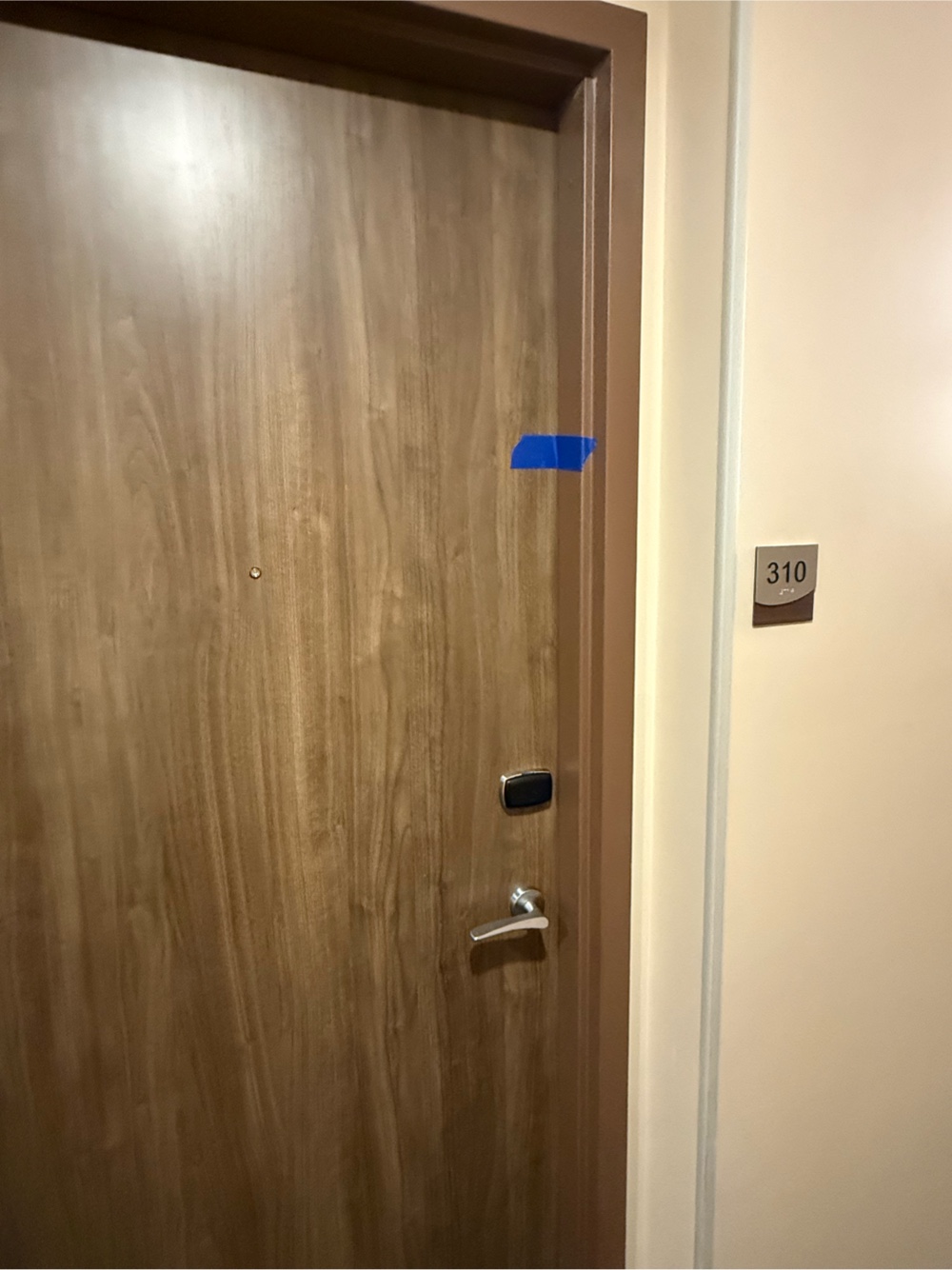
Rooms are taped and we are off to bed after a busy day!

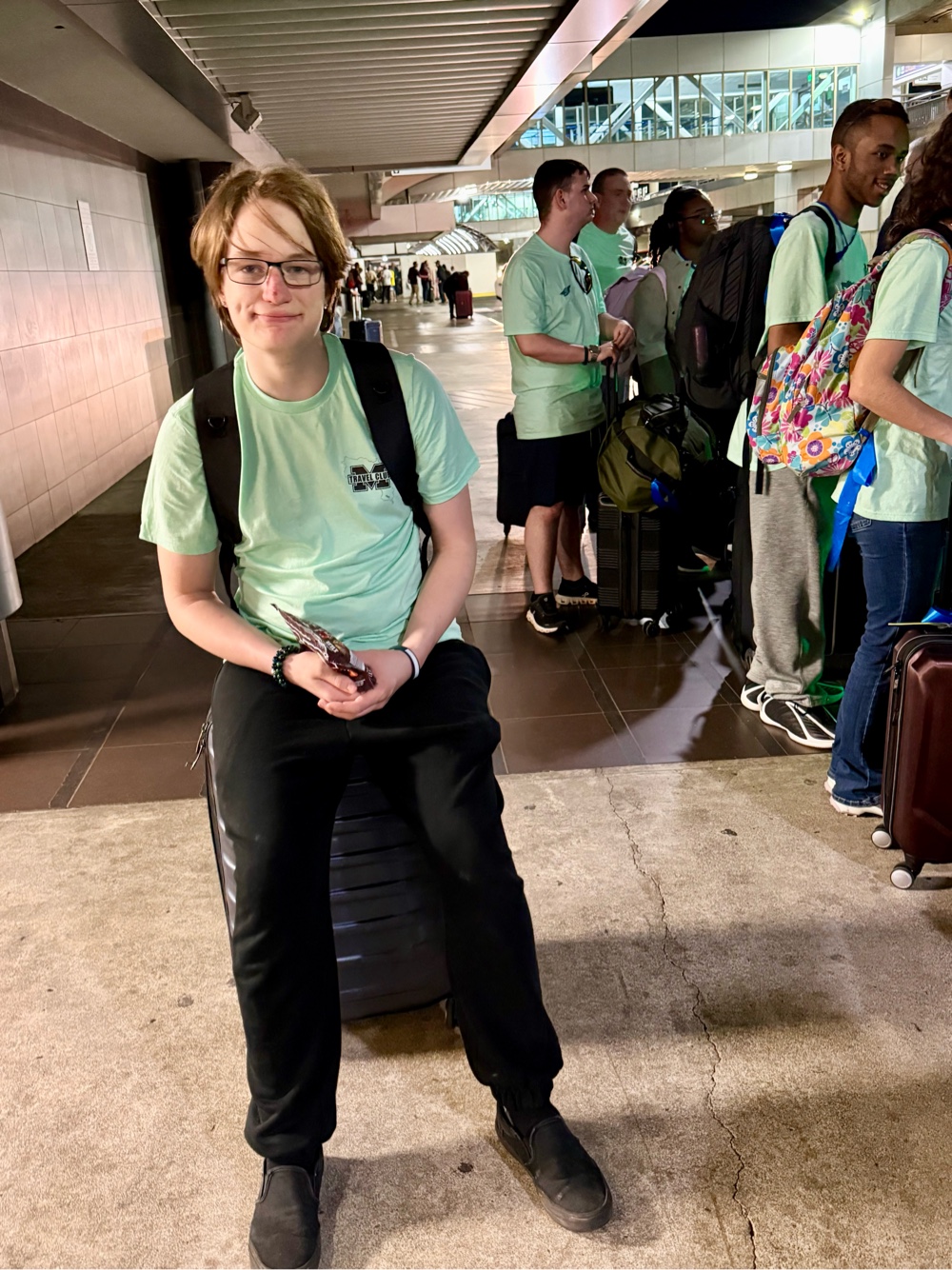
Welcome to Costa Rica!
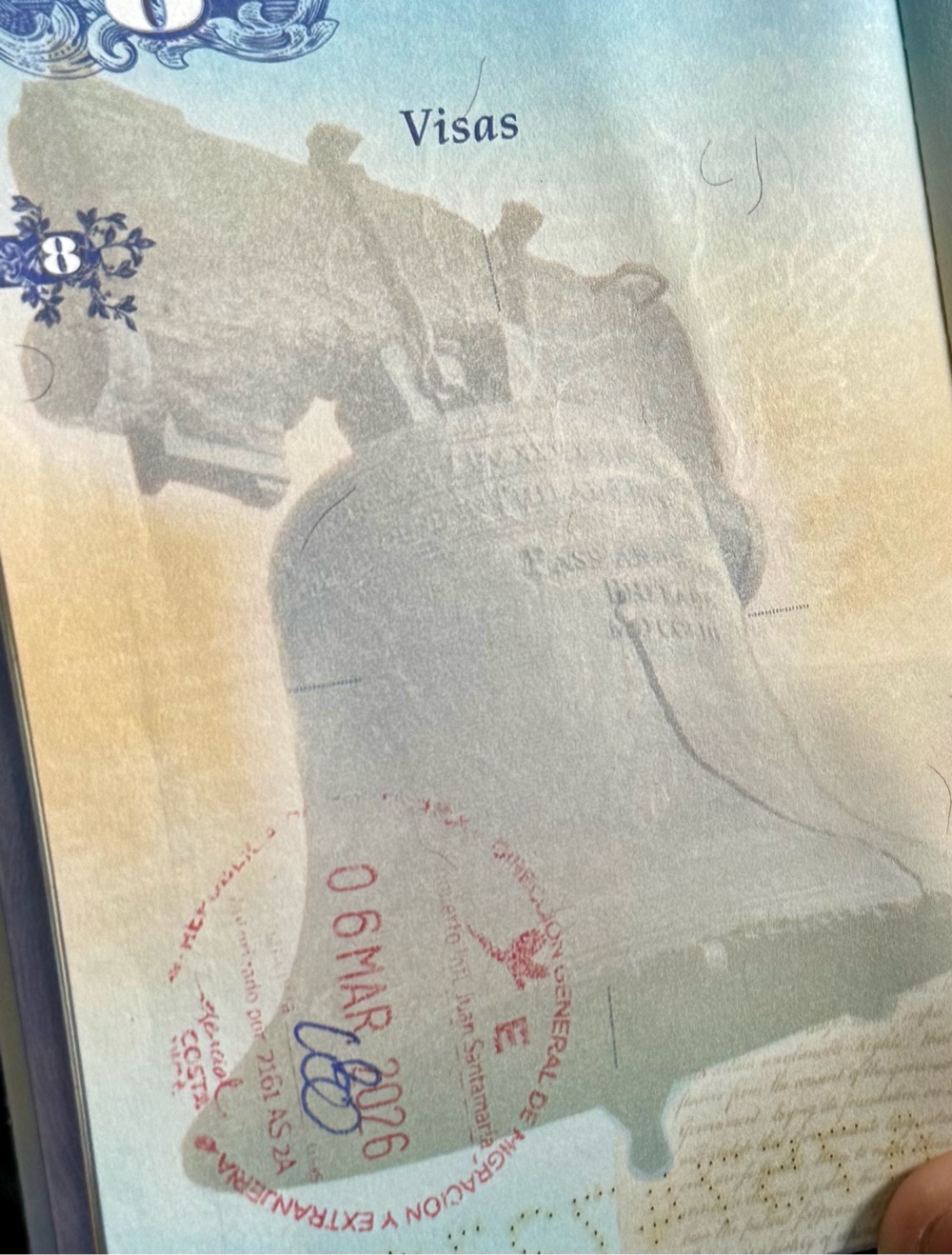
We had a smooth flight into San José  Some kids slept, some chatted, some used the free Wi-Fi on the plane to see our MHS Blue Devils advance to the state championships for boys basketball! After landing we went through immigration, which was also quick and some kids got their first passport stamp. 


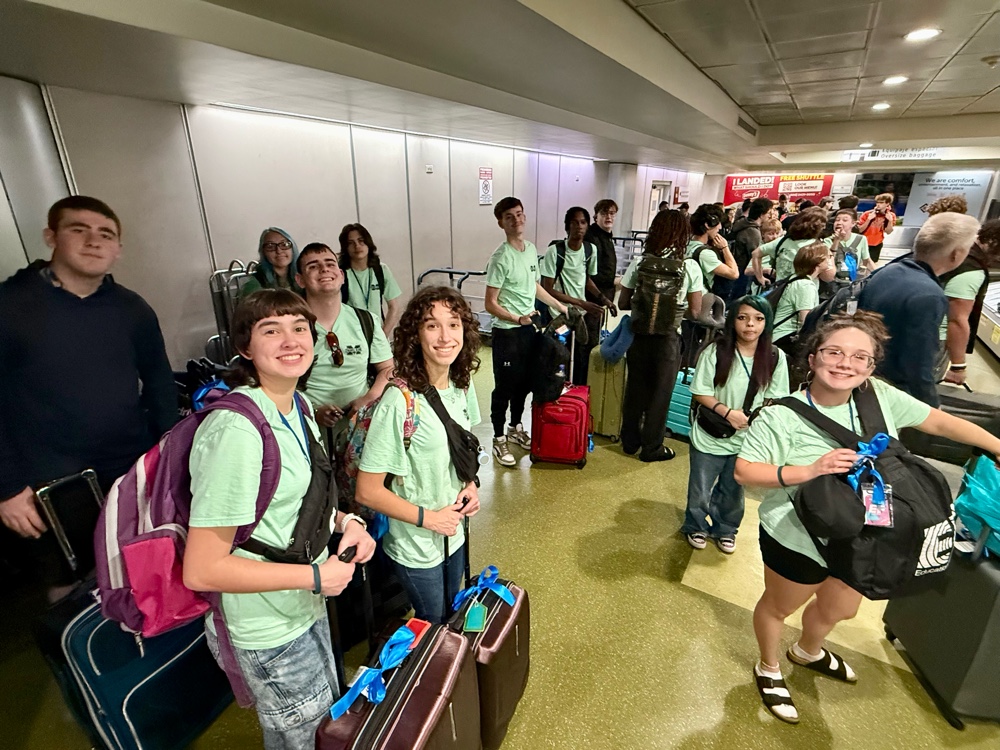
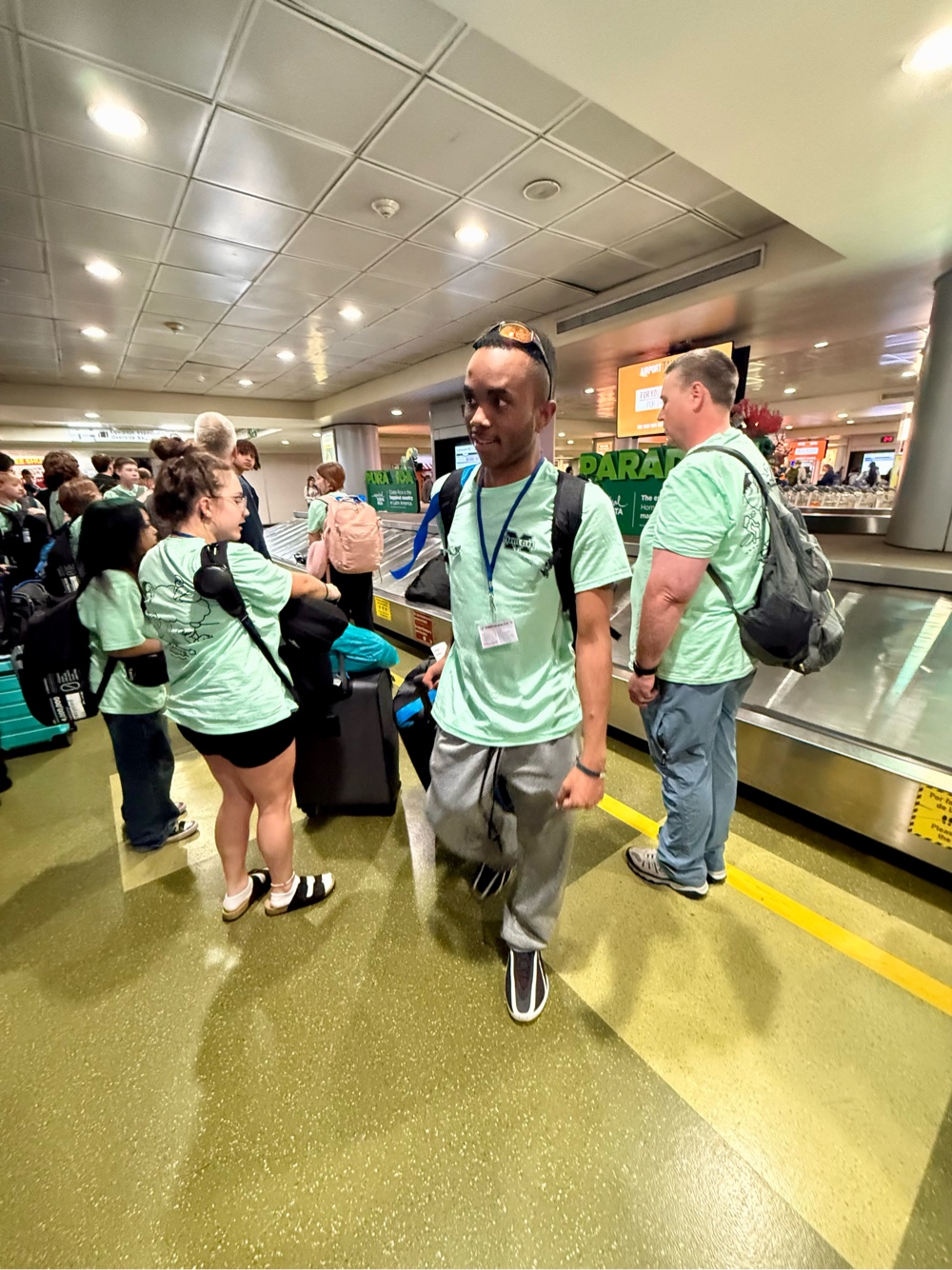
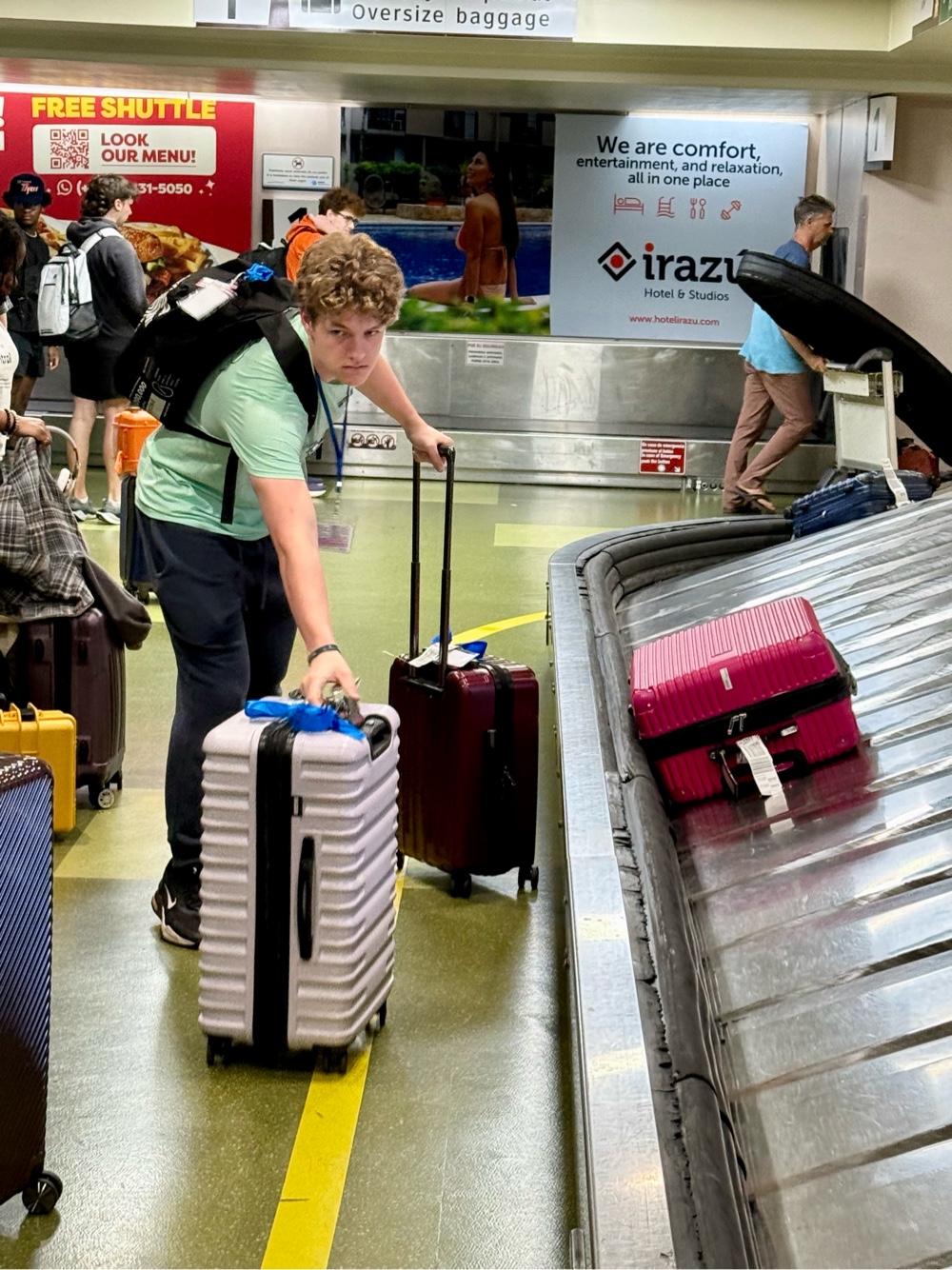
From there it was on to the baggage claim area to collect all bags. We have a system where a few kids stand at the claim and pull off anything with our blue ribbons and more kids shuttle it back to the group. It keeps things less crowded and more organized. 


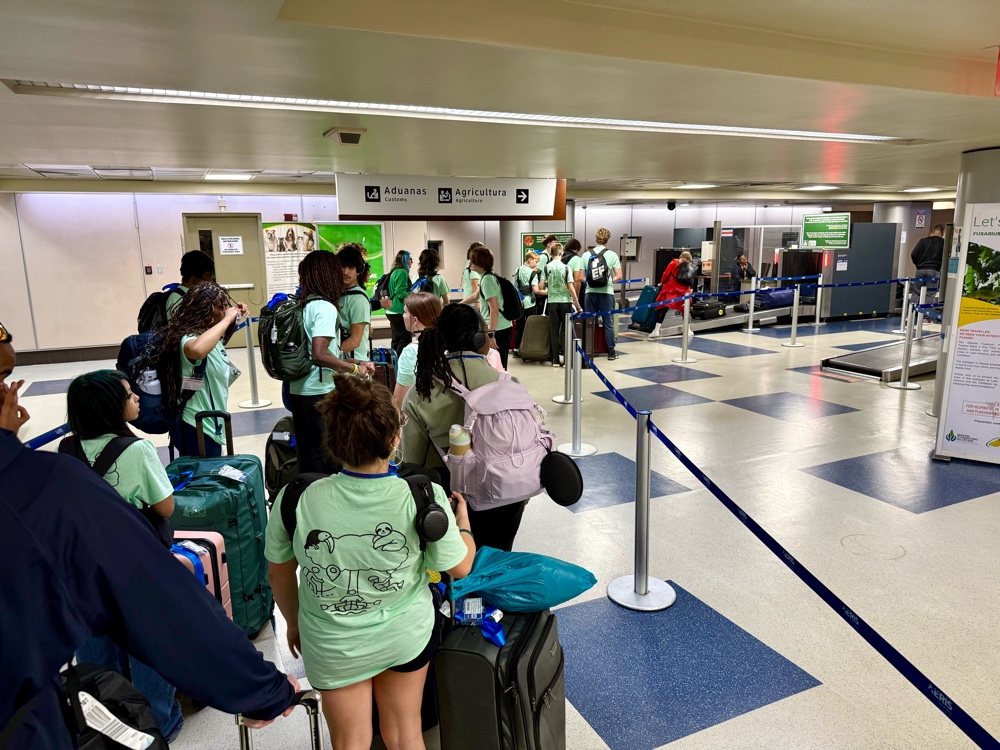
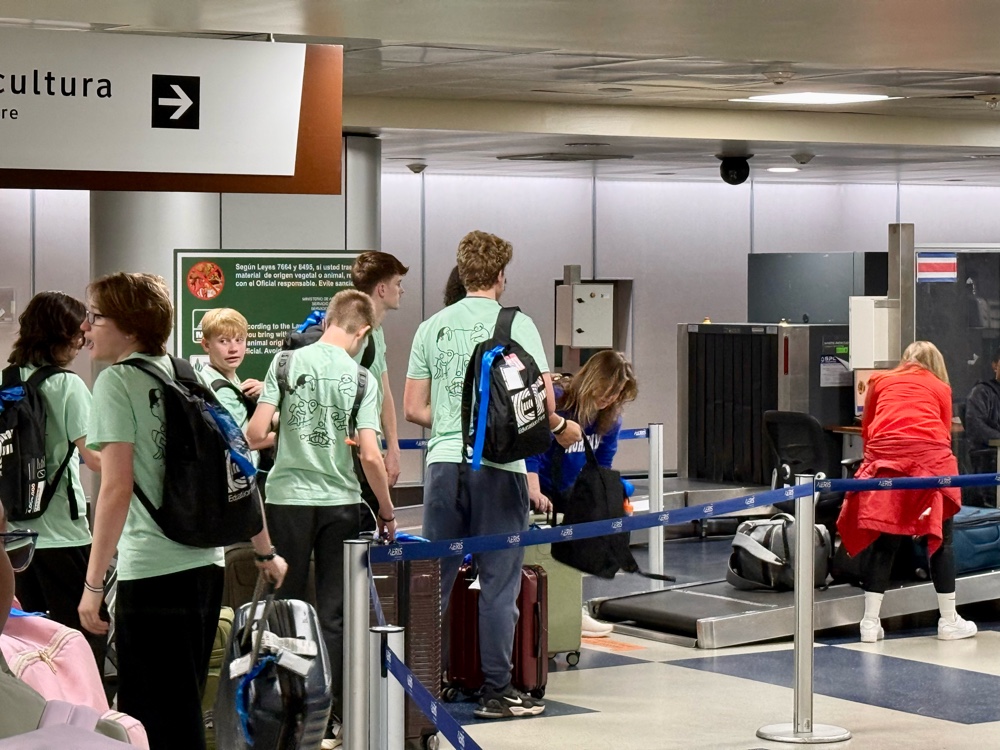
A new thing for us was before leaving the airport we had to send our bags through another ci veyor belt for some kind of additional scanning. We think it might have been for agricultural products but we weren’t sure. 


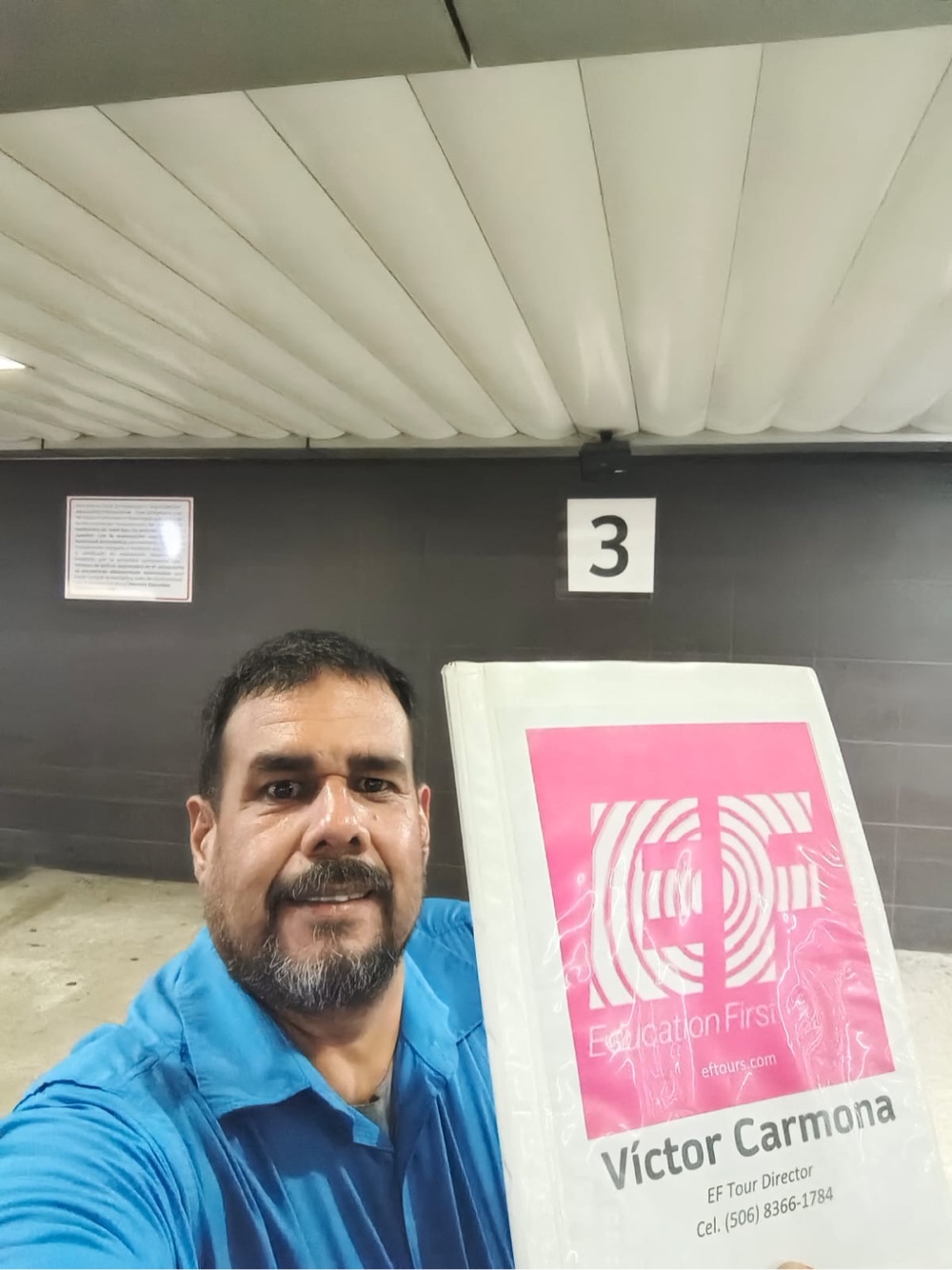
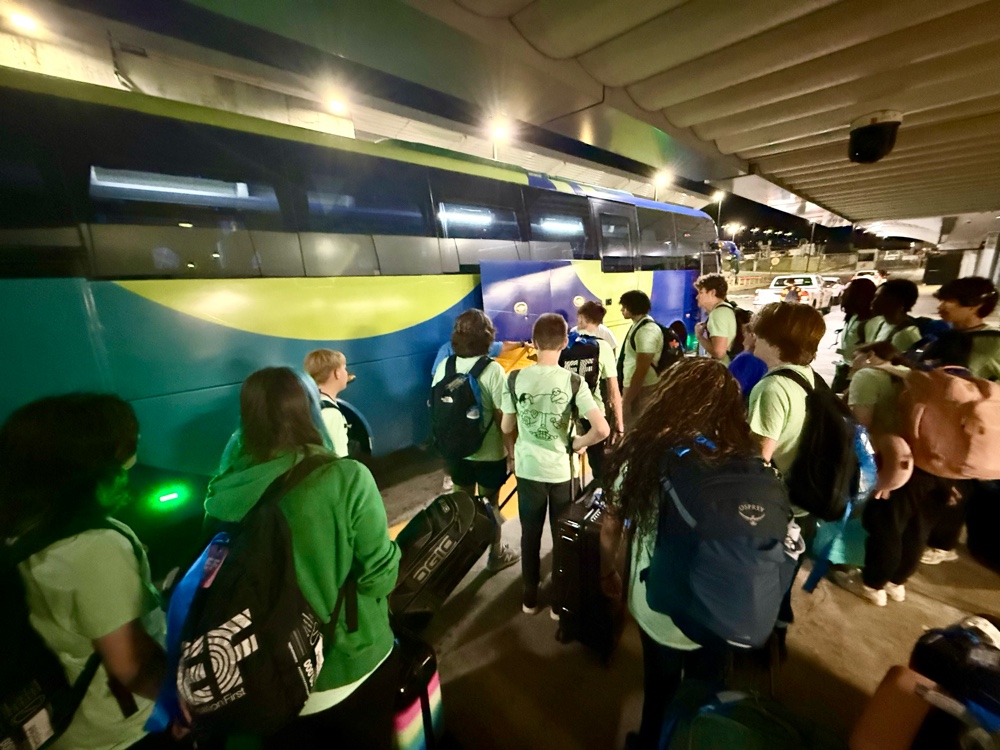
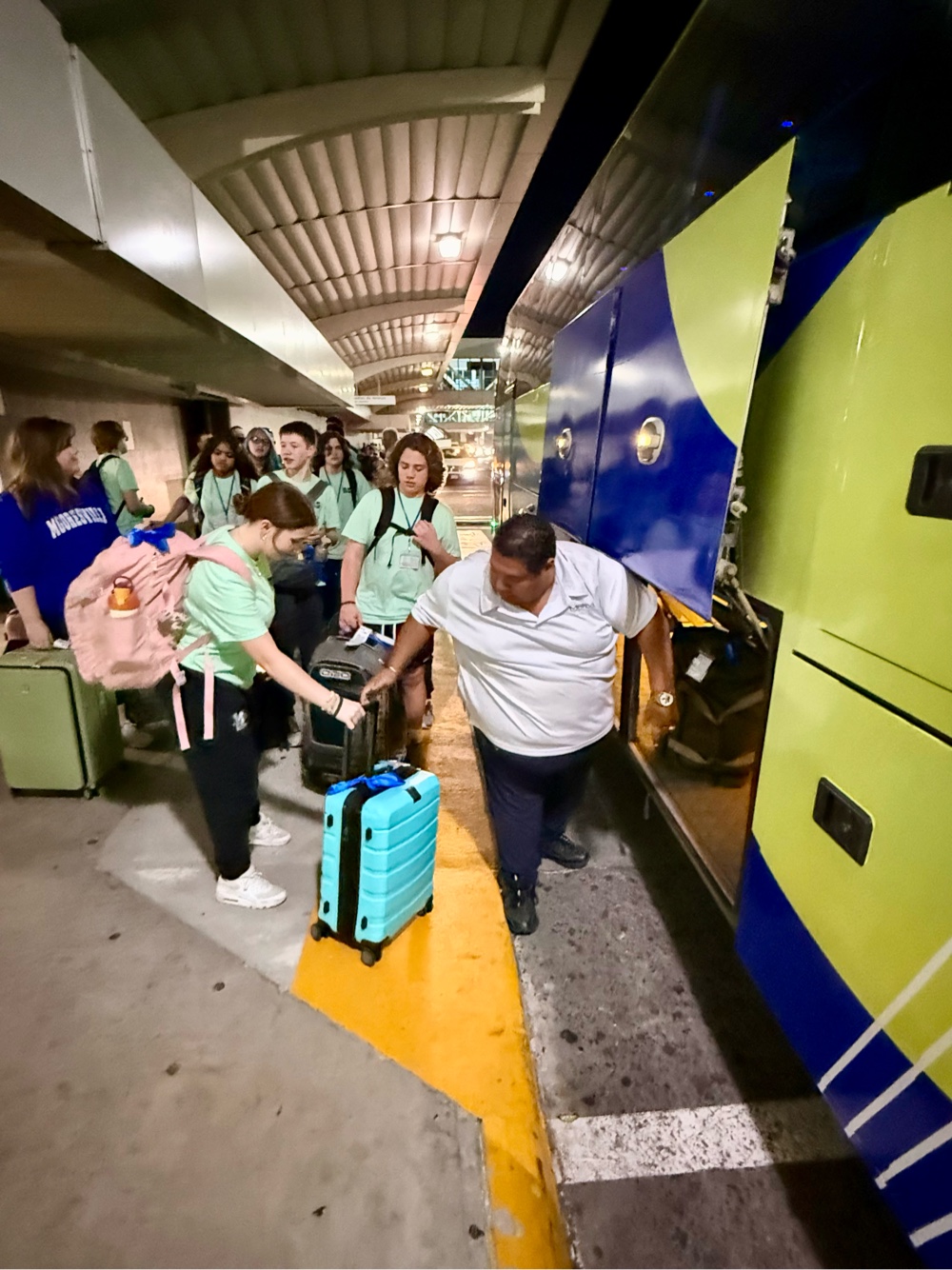
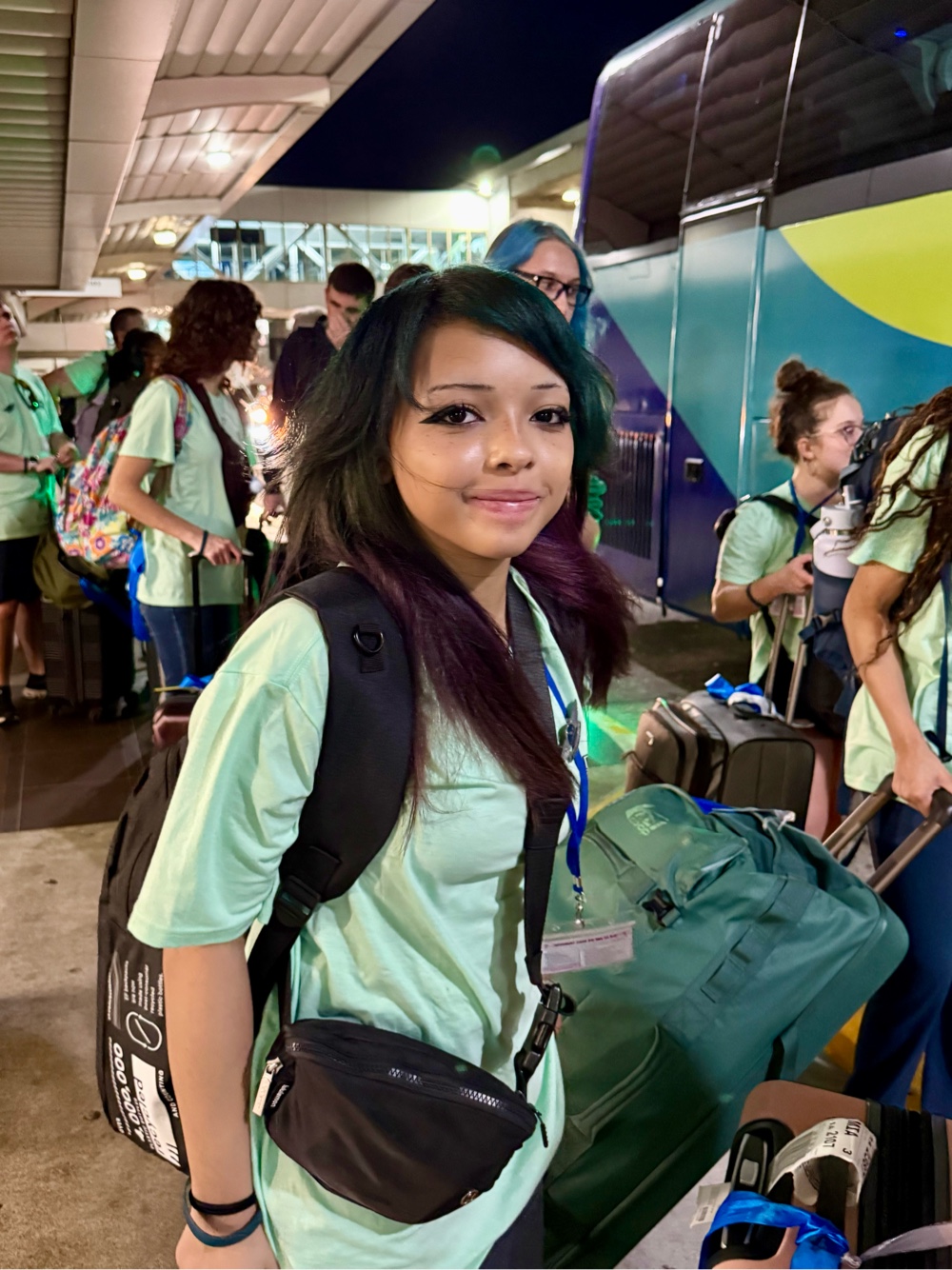
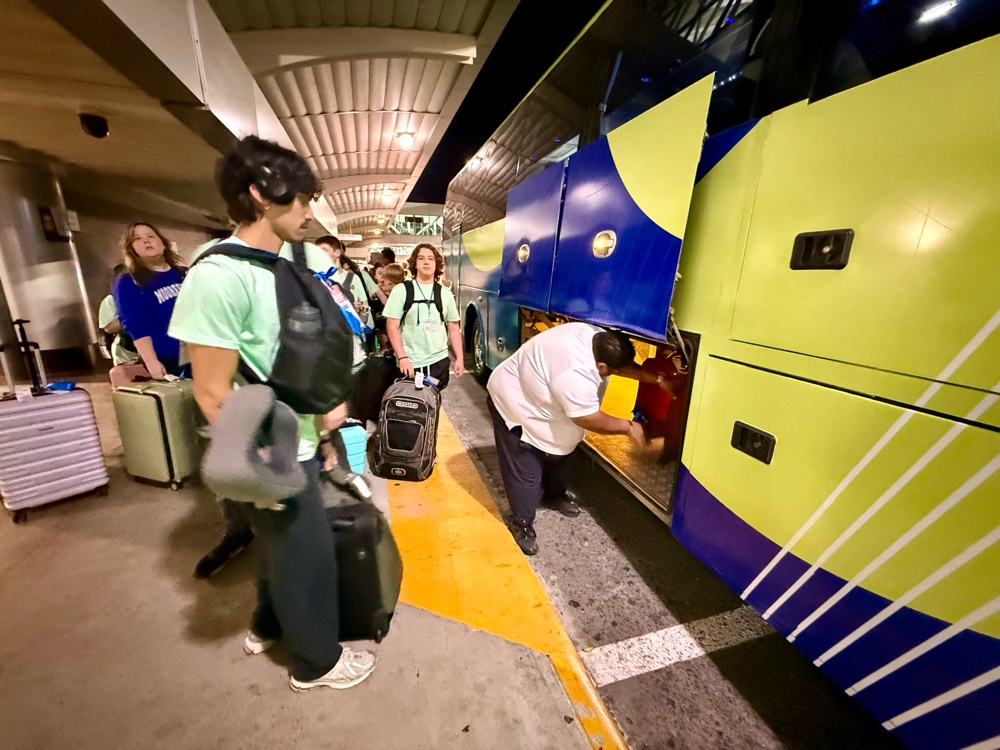
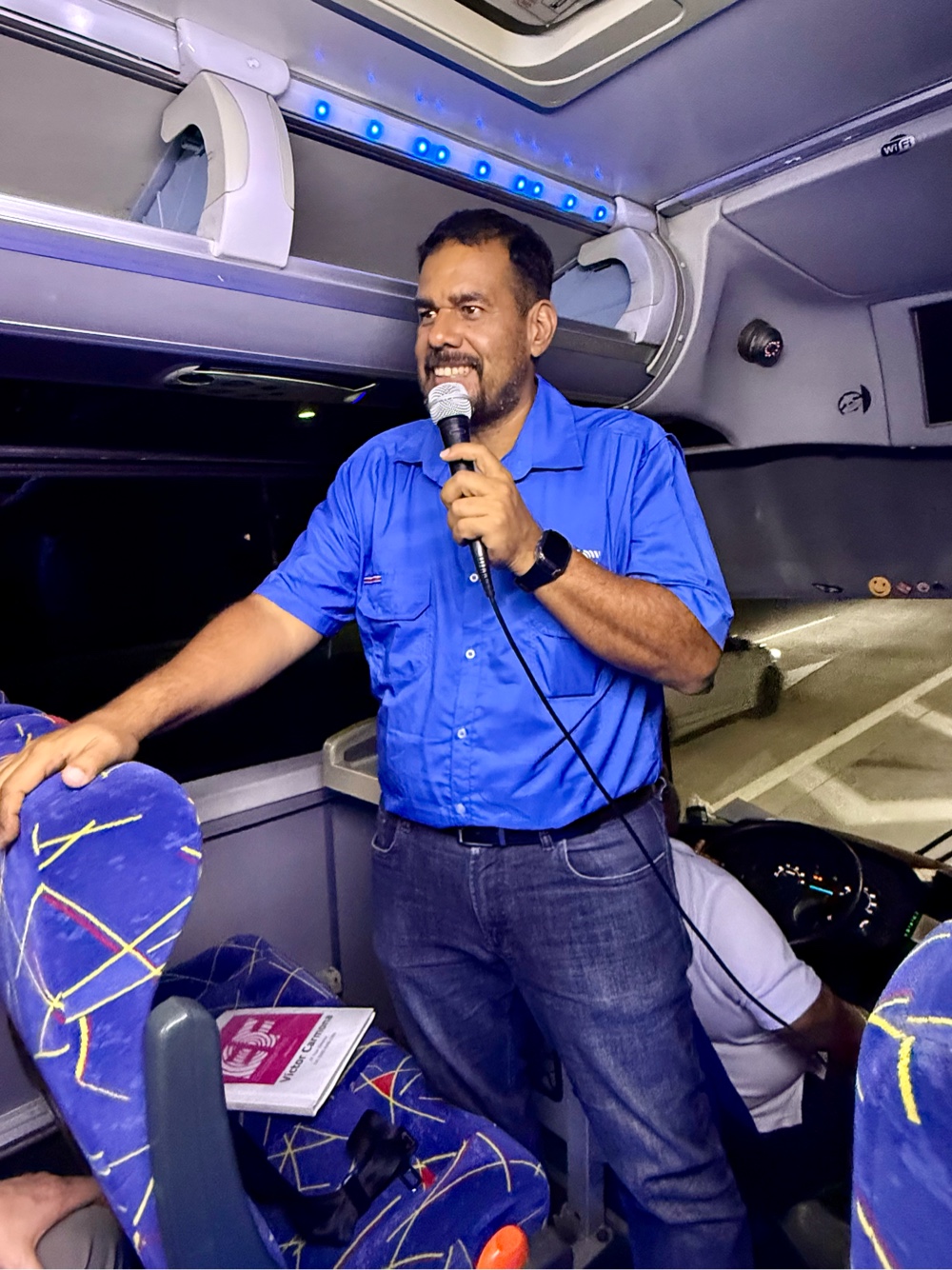
From there it was outside to meet our tour guide Victor and board the bus to the hotel. 


Victor seems like he has a great sense of humor and is going to be a great host for us the next week.


It was just a short ride to the hotel so we are almost done with our day!