
We stopped at a pineapple plantation on the way to the ziplining and learned a lot about this important industry!
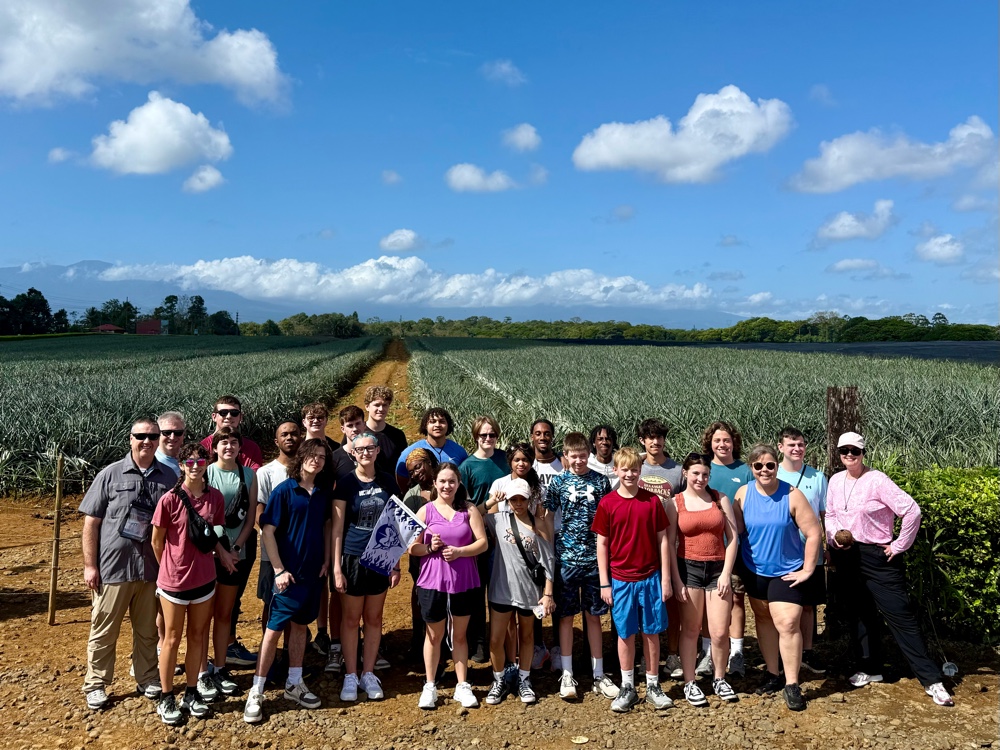
At the pineapple stop, we learned that the pineapple plant is basically an air plant that has adapted to grow in soil. Its roots aren’t built to pull nutrients from the ground the way most crops do. Instead, the leaves form a cup that naturally funnels rain into the plant. In the wild, pineapples grow high in trees, but that would make harvesting nearly impossible. Domestication allowed them to survive in the ground so workers can actually reach them.
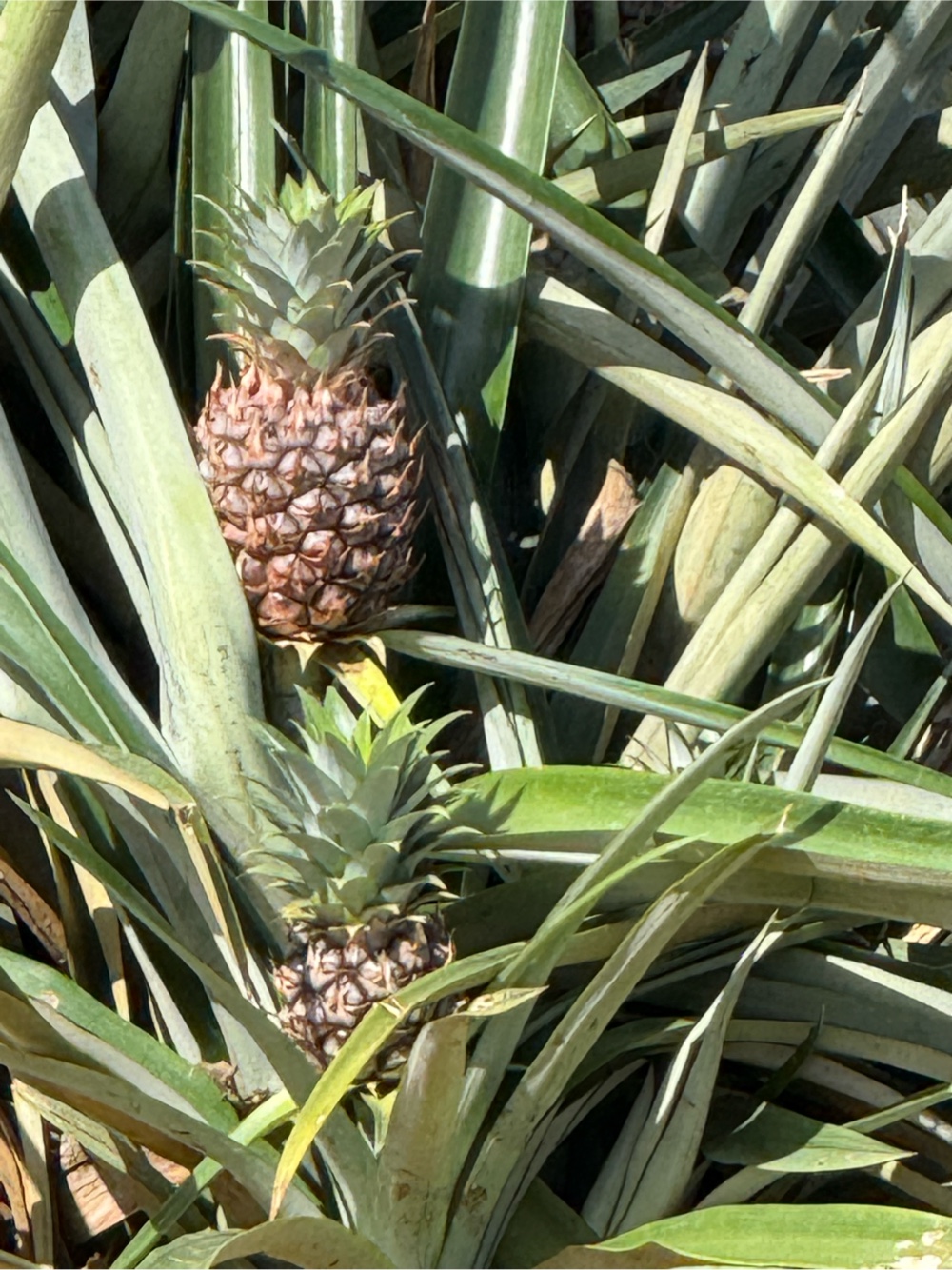
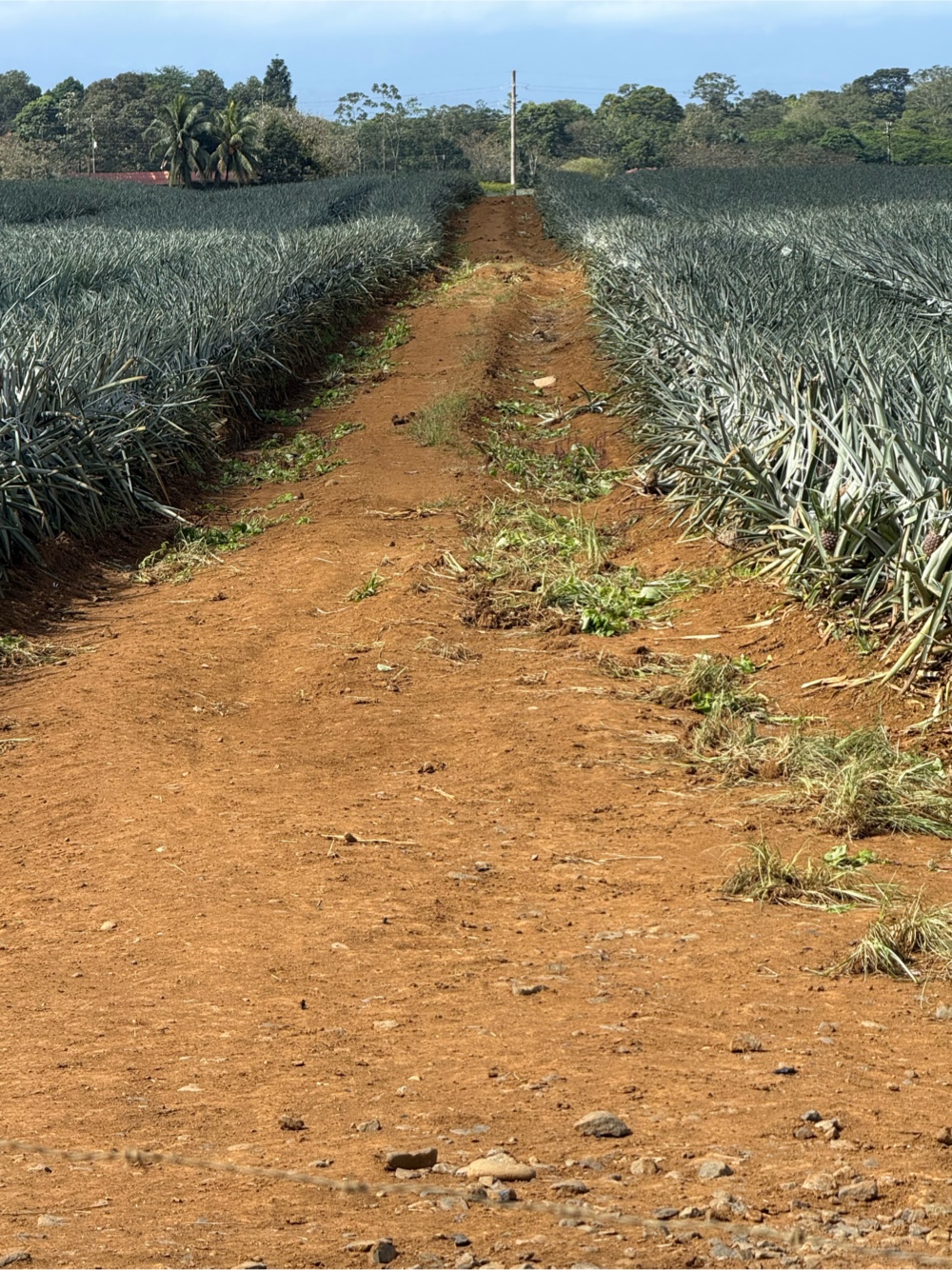
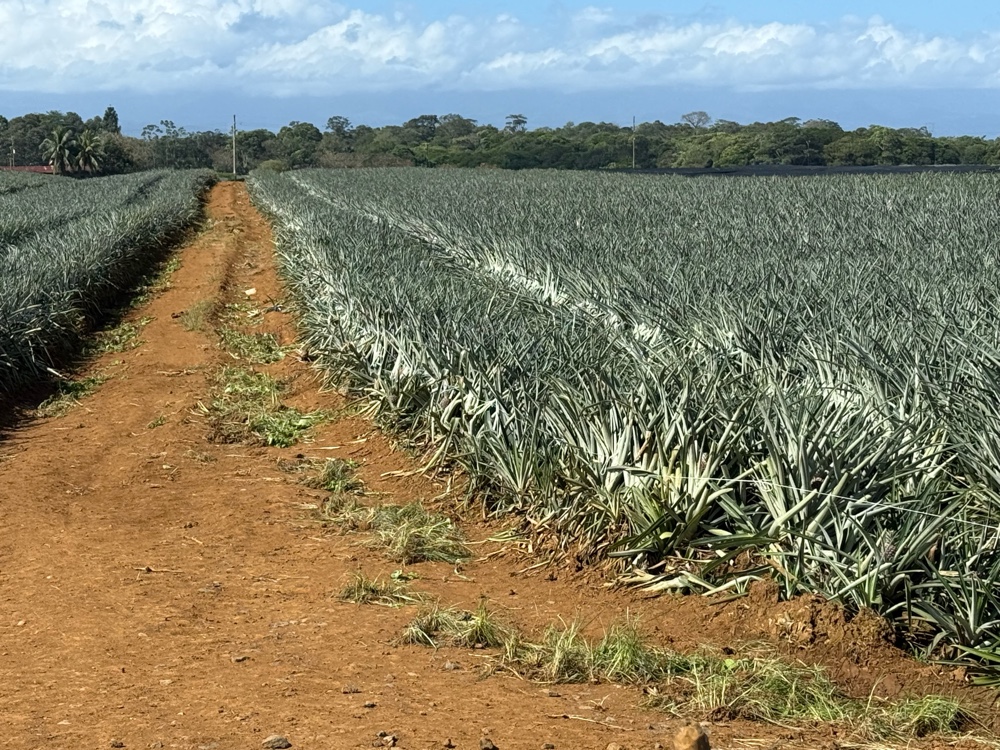
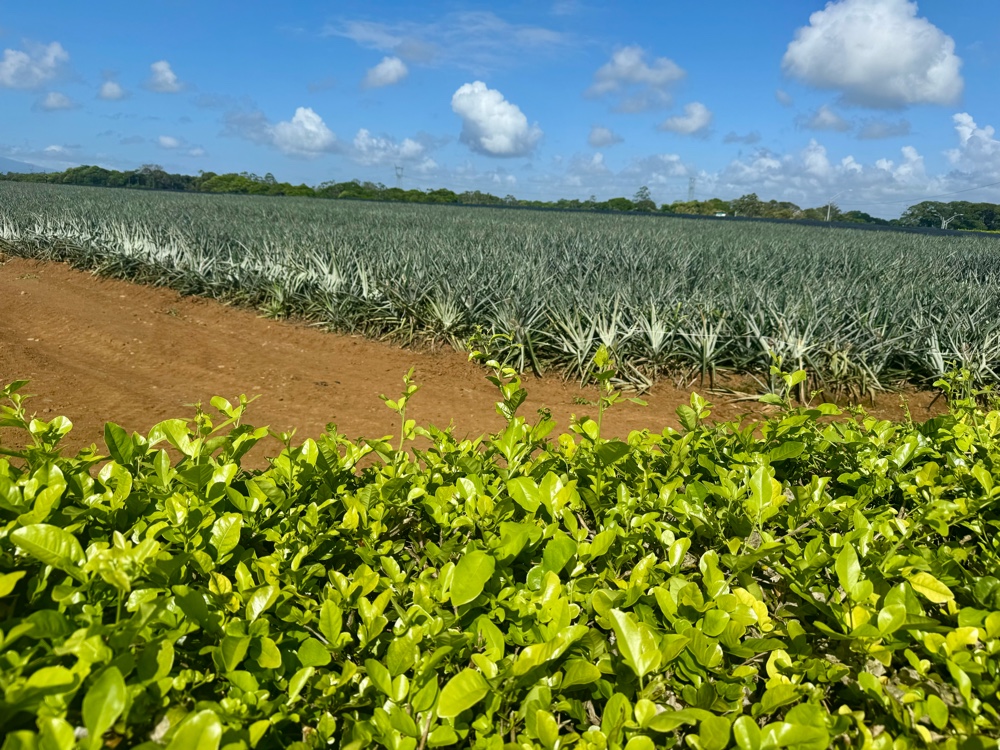
The soil in Costa Rica is a rusty orange because of its iron content. It isn’t very fertile, but that doesn’t matter much for pineapples because they aren’t relying on the soil for nutrition. The roots act more like anchors than straws. The plant behaves as if it’s gripping a tree branch, spreading out and “hugging” anything nearby to stabilize itself and catch sun and rain.
They avoid heavy chemical fertilizers because pineapple roots don’t use nutrients the way other crops do. Instead, plantations use an organic approach that basically tricks the plant. To get all the pineapples to bloom at the same time, they create a mixture using leftovers from the tuna industry, rice milling, and sugarcane processing. These ingredients are fermented into a liquid that releases ethylene gas, the same hormone plants produce during stress or fire conditions. Spraying it on the field convinces the pineapples that the “tree” they think they’re living on is burning, so they rush to bloom before they die.
If they let the plants bloom naturally, they would only get about eight pineapples per acre per week. With the spray, the field blooms uniformly, which is necessary for commercial harvesting.
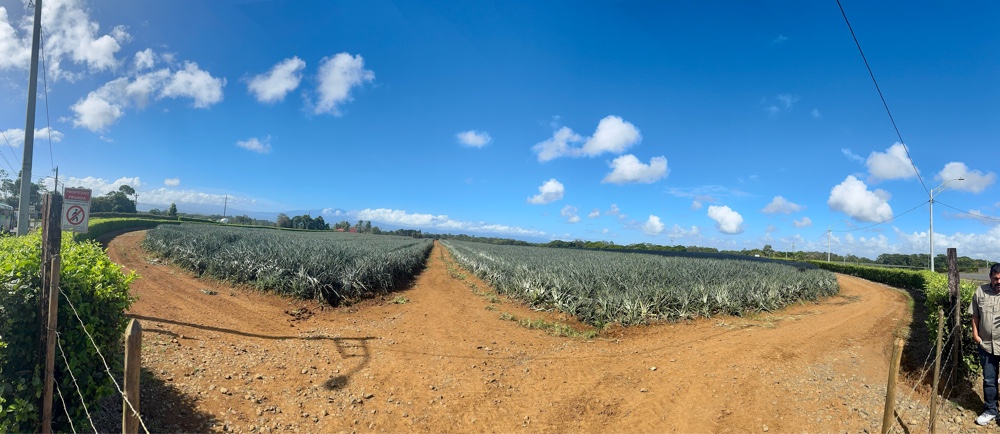
Stress also controls size. The more stressed the plant, the more babies (side shoots) it tries to produce. If they want smaller fruit, they spray the ethylene mixture twice. That stops the plant from putting energy into producing more children and forces it to ripen at its current size. Some buyers, including HMH, actually prefer smaller pineapples and will pay more for them.
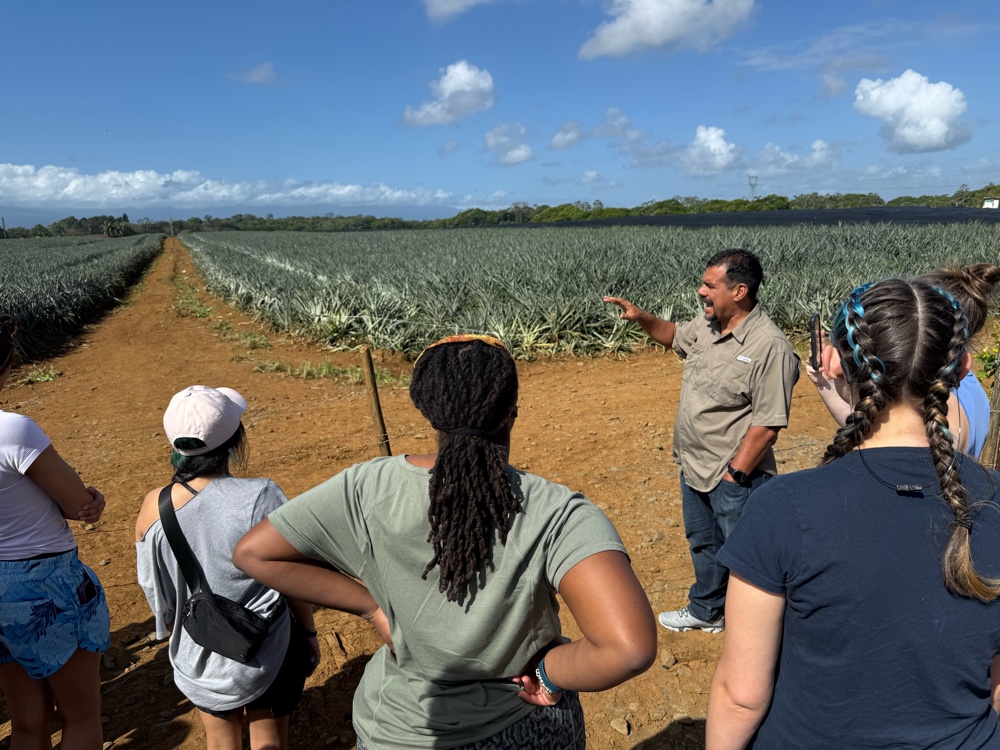
A single acre can hold up to thirty-five thousand plants. It takes about two years and four months to grow the first pineapple, which is why spacing is dense. A second harvest can come about nineteen months after the first. After that, the field has to be cleared and replanted with new shoots. The farm is divided into sections so that a new plot is ready to harvest every week of the year. There’s no real pineapple season in Costa Rica because the climate is consistent.
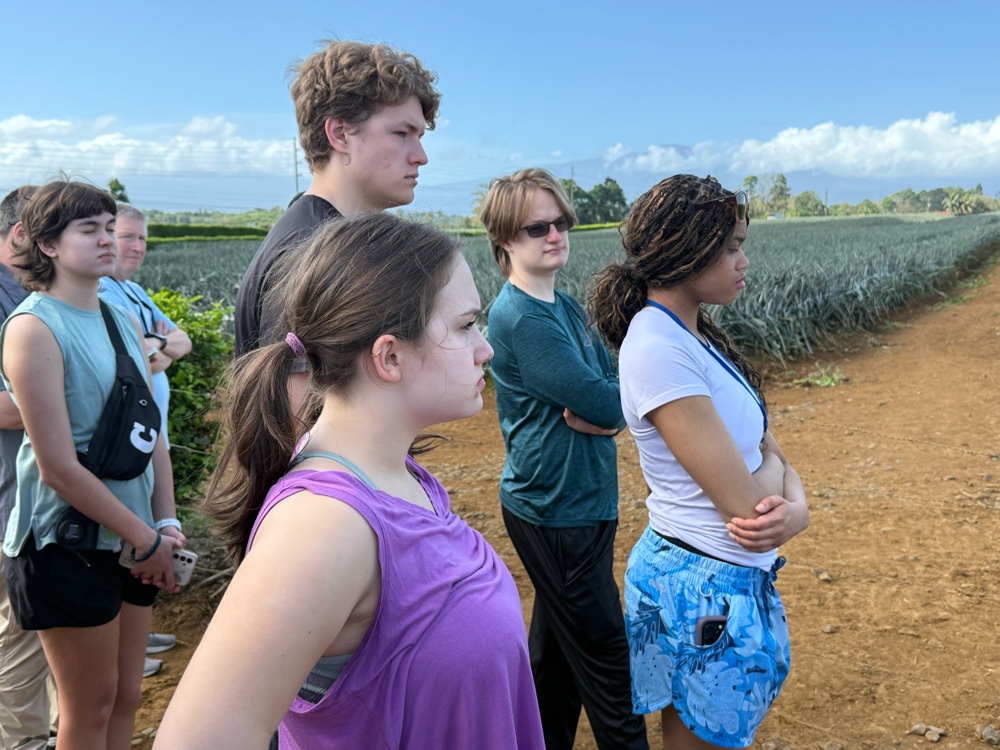
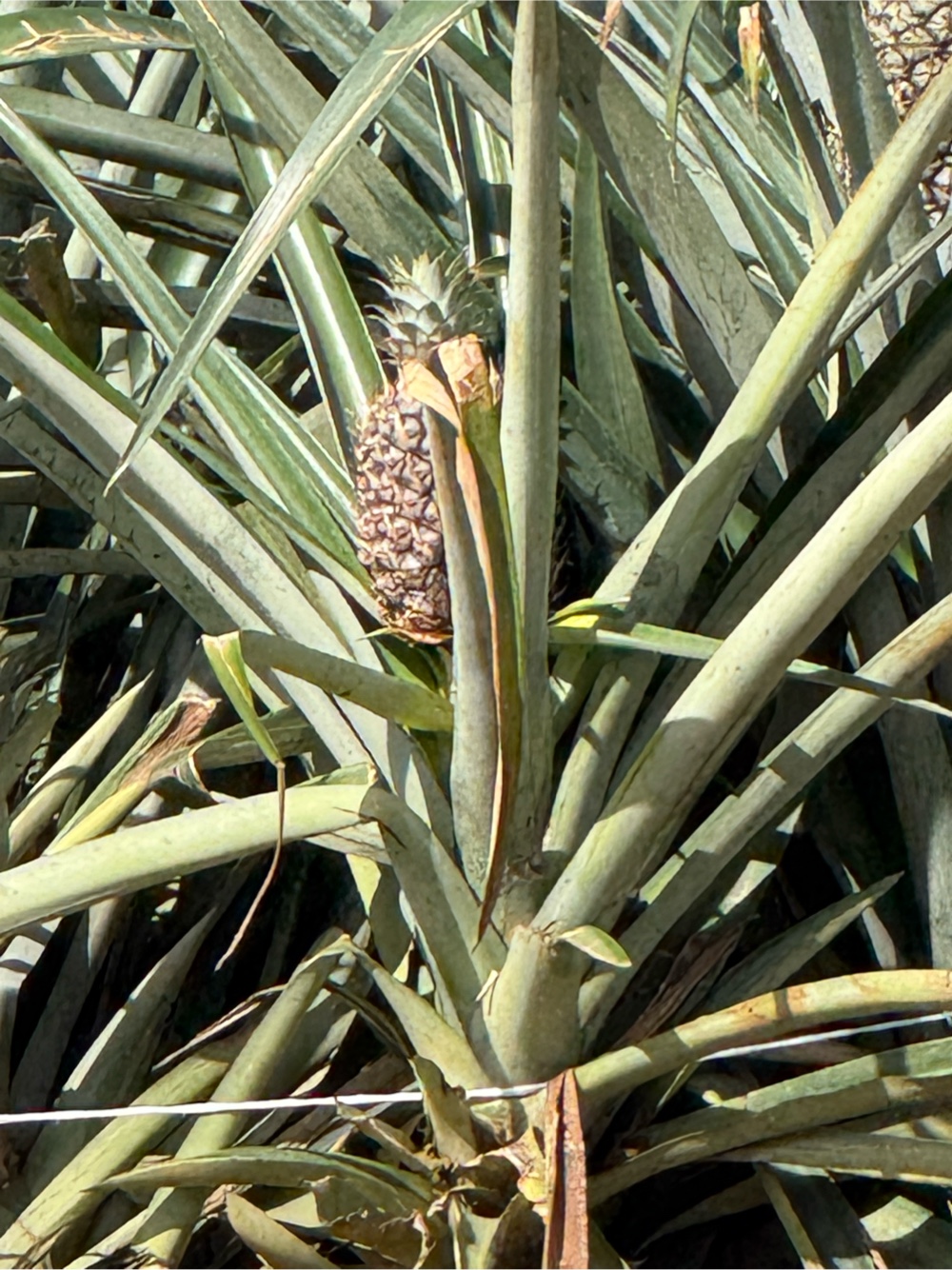
Costa Rica is the only large-scale producer of bananas and pineapples that relies entirely on rainfall rather than irrigation. It’s the second largest pineapple producer in the world but the number one exporter, since Brazil grows more but keeps most of it domestically.
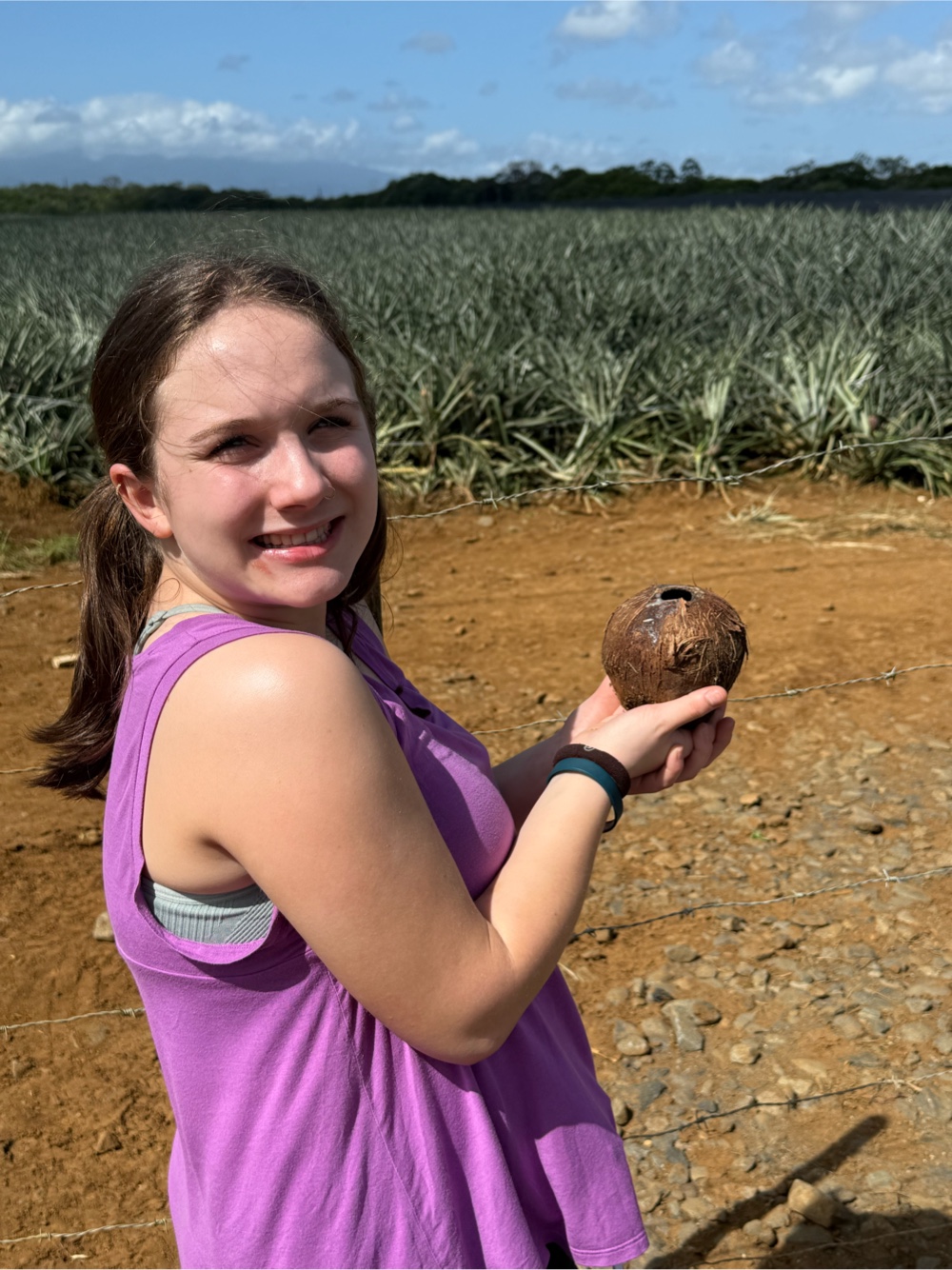
We also found some coconuts in the ground so we decided to make a virgin pina colada!

No comments:
Post a Comment