
Visiting the Colosseum is like stepping into a time machine back to ancient Rome! This massive amphitheater is nearly 2,000 years old and was the center of Roman entertainment.
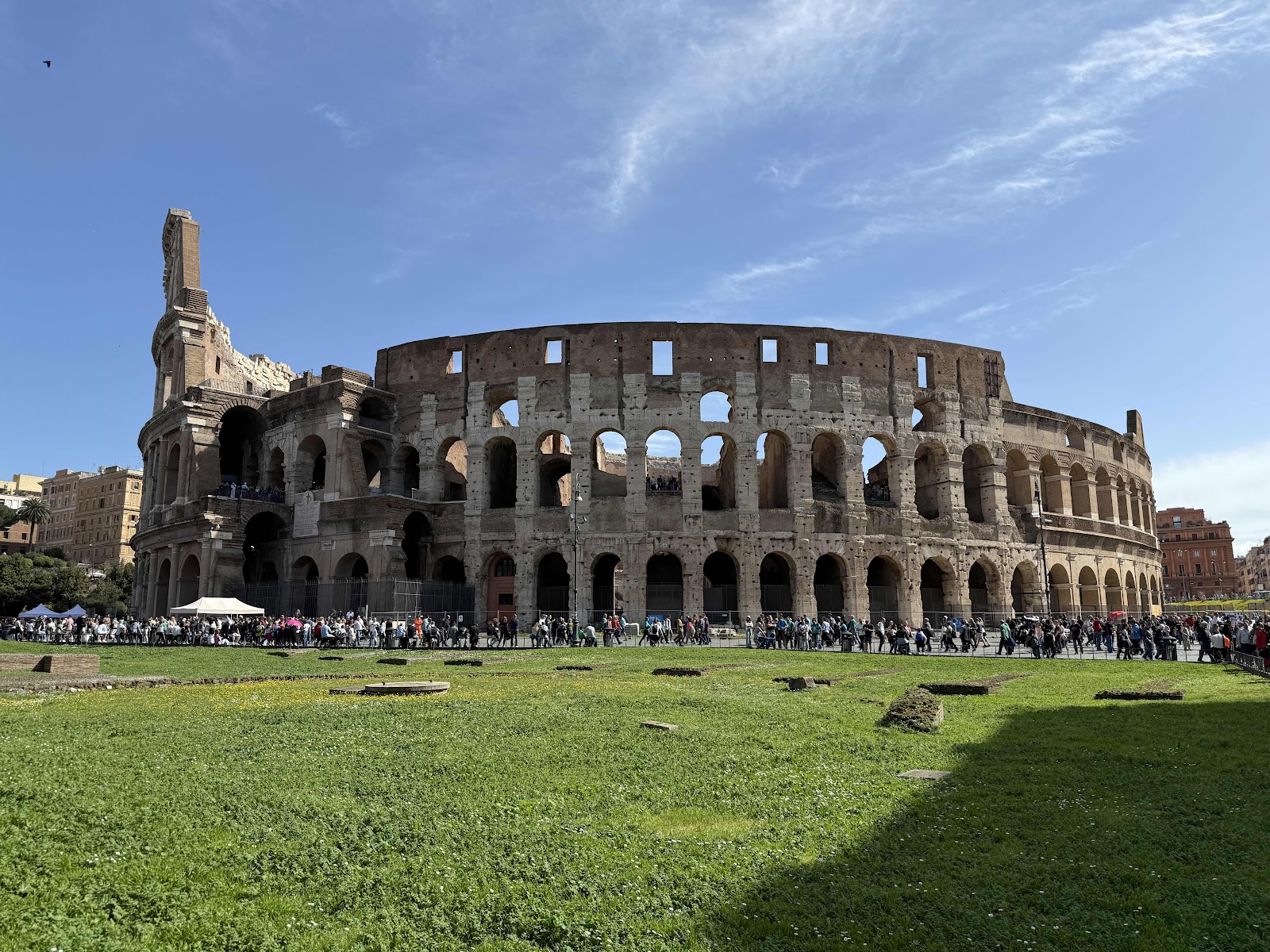
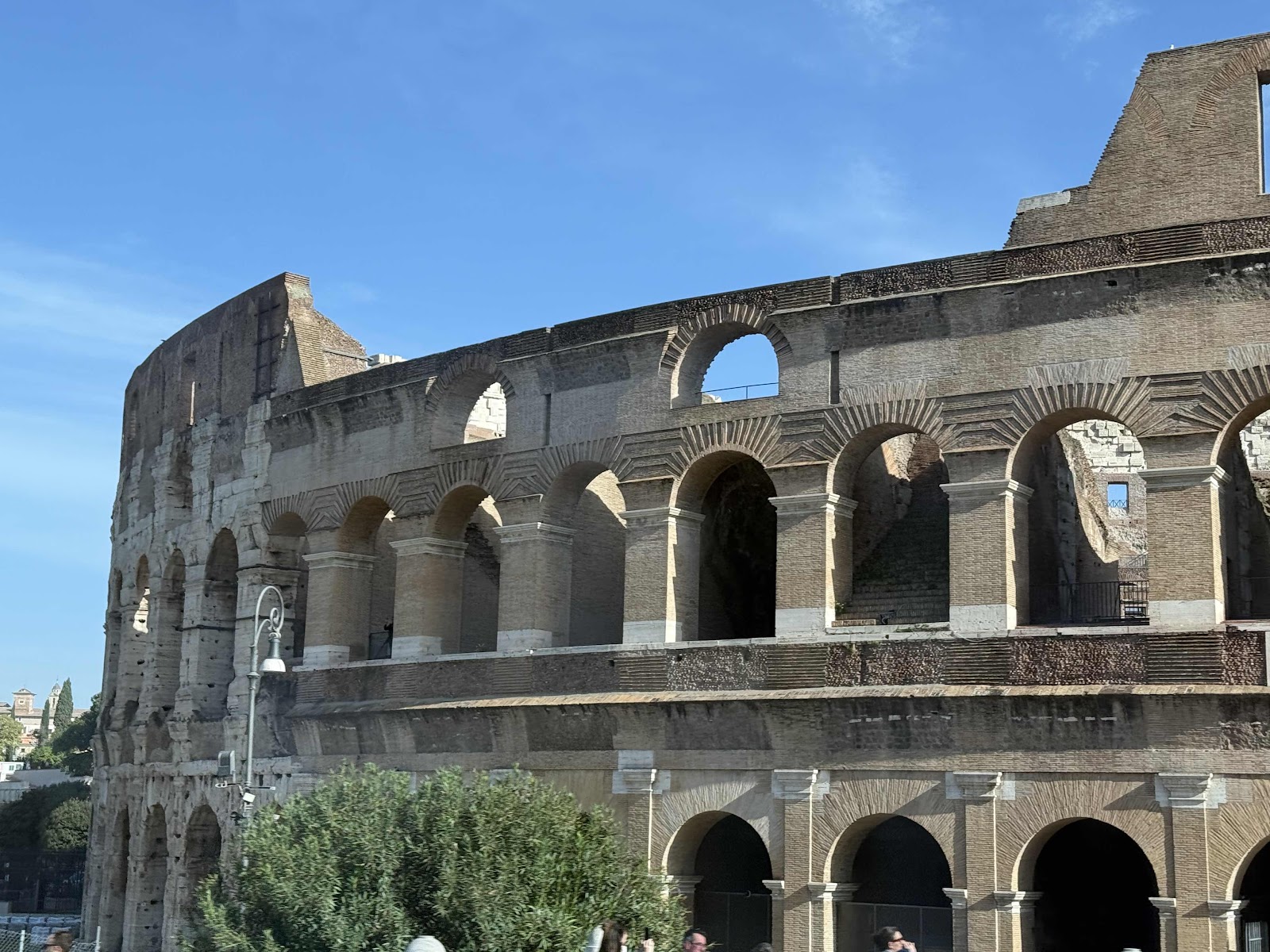
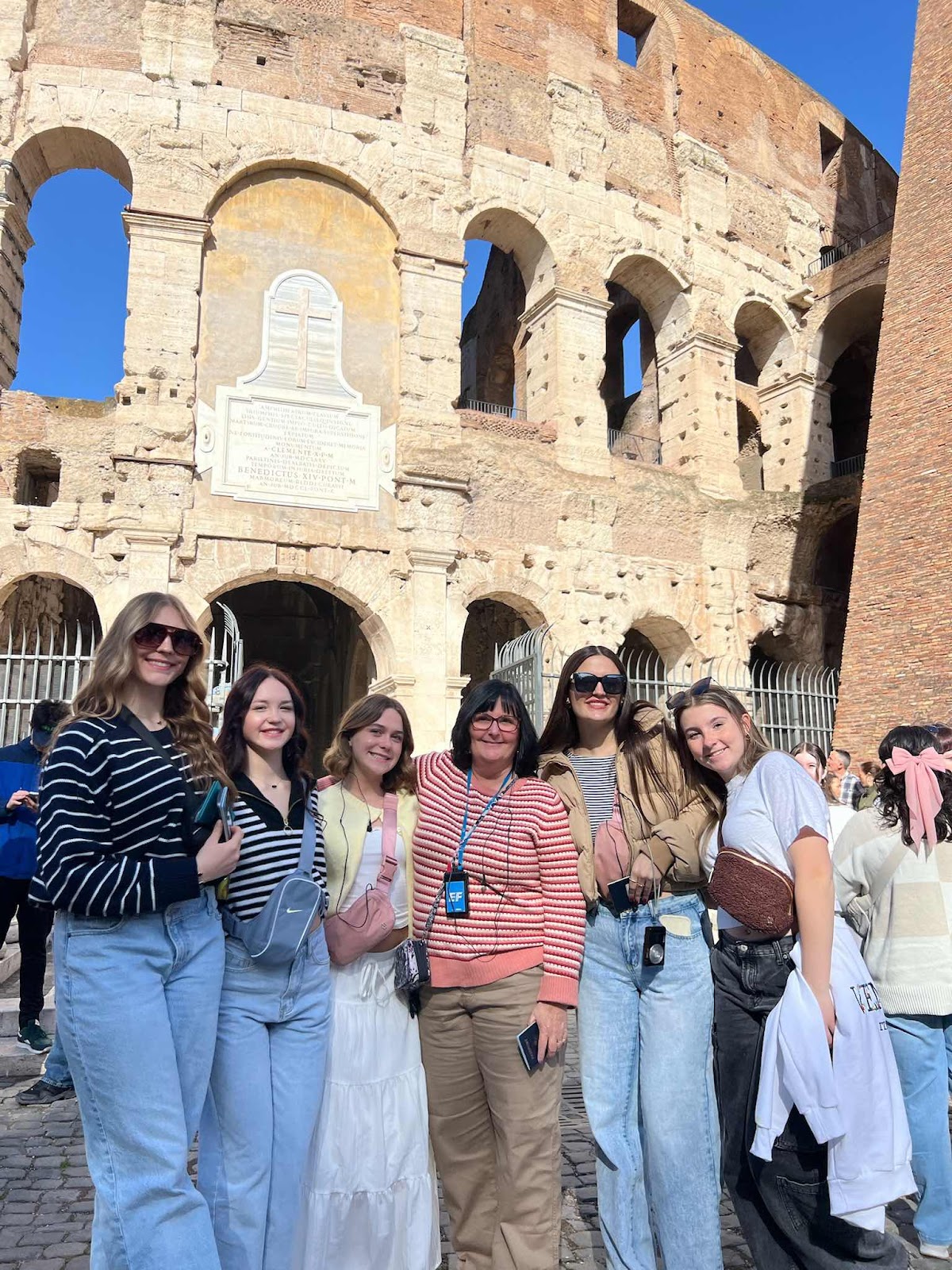
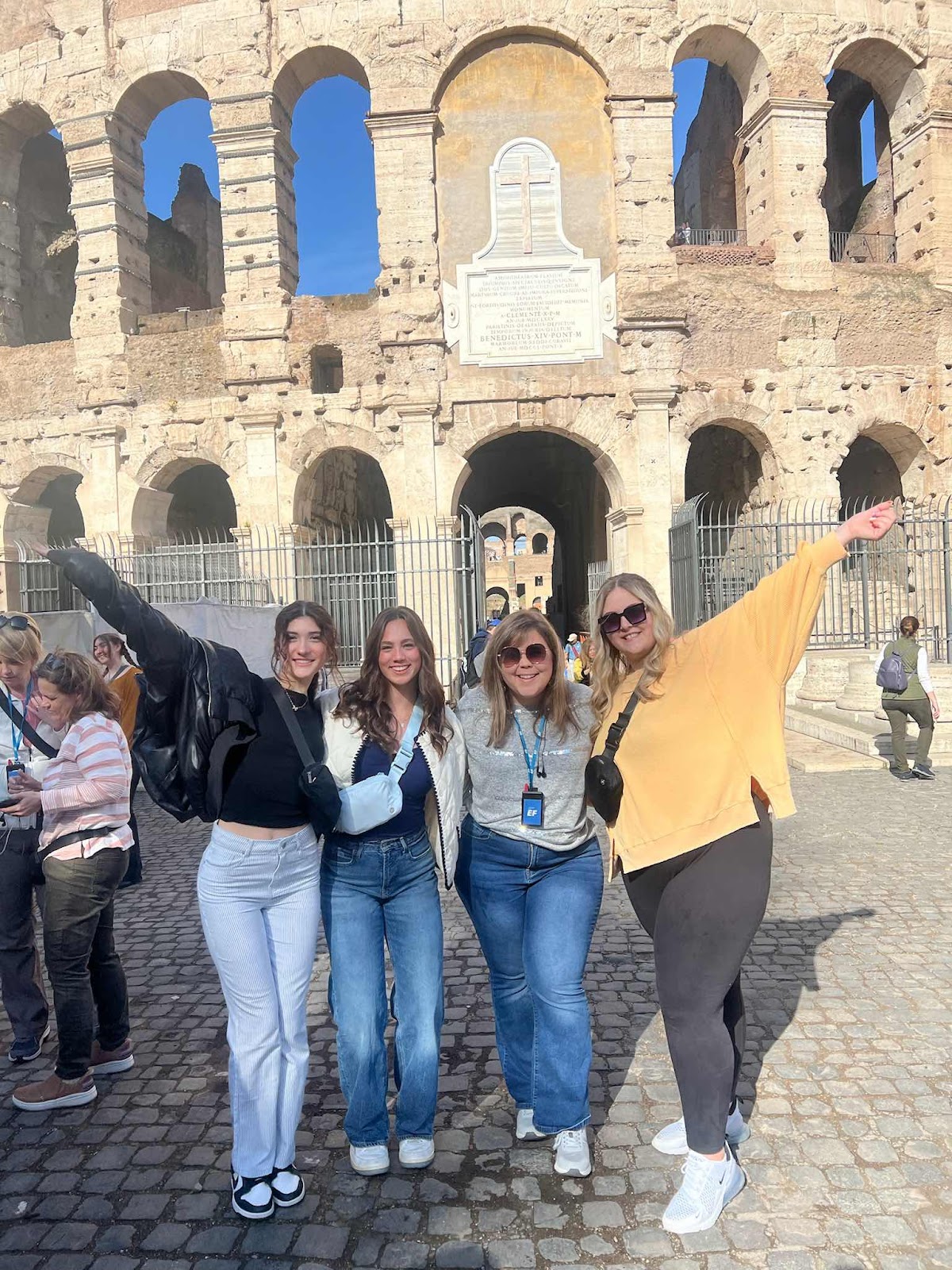
Today, it looks like a crumbling ruin, but in its prime, the Colosseum was decorated with marble and statues. The missing pieces were taken over the centuries to build churches and palaces. It was also destroyed by its own people after the fall of the Roman Empire and during the Middle Ages as people scavenged its insides for building materials and relics to sell.
This massive amphitheater was built between 72-80 AD under the emperors Vespasian and Titus. In its day, it was the ultimate sports arena. It used to be filled with sand, the Latin word for which was arena, and that’s where the word today came from. The sand was used to soak up the blood of the fighters and animals who died here.
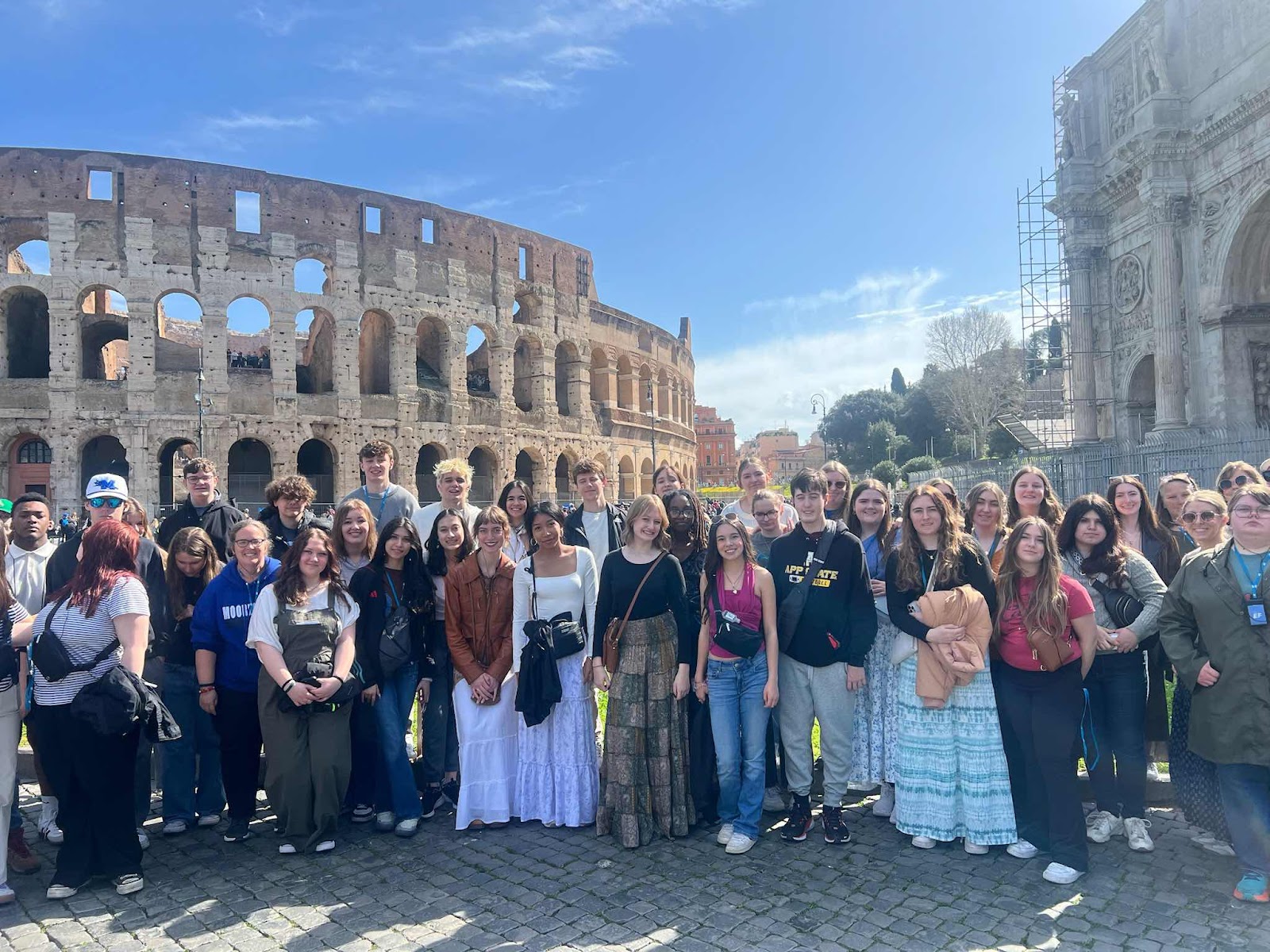
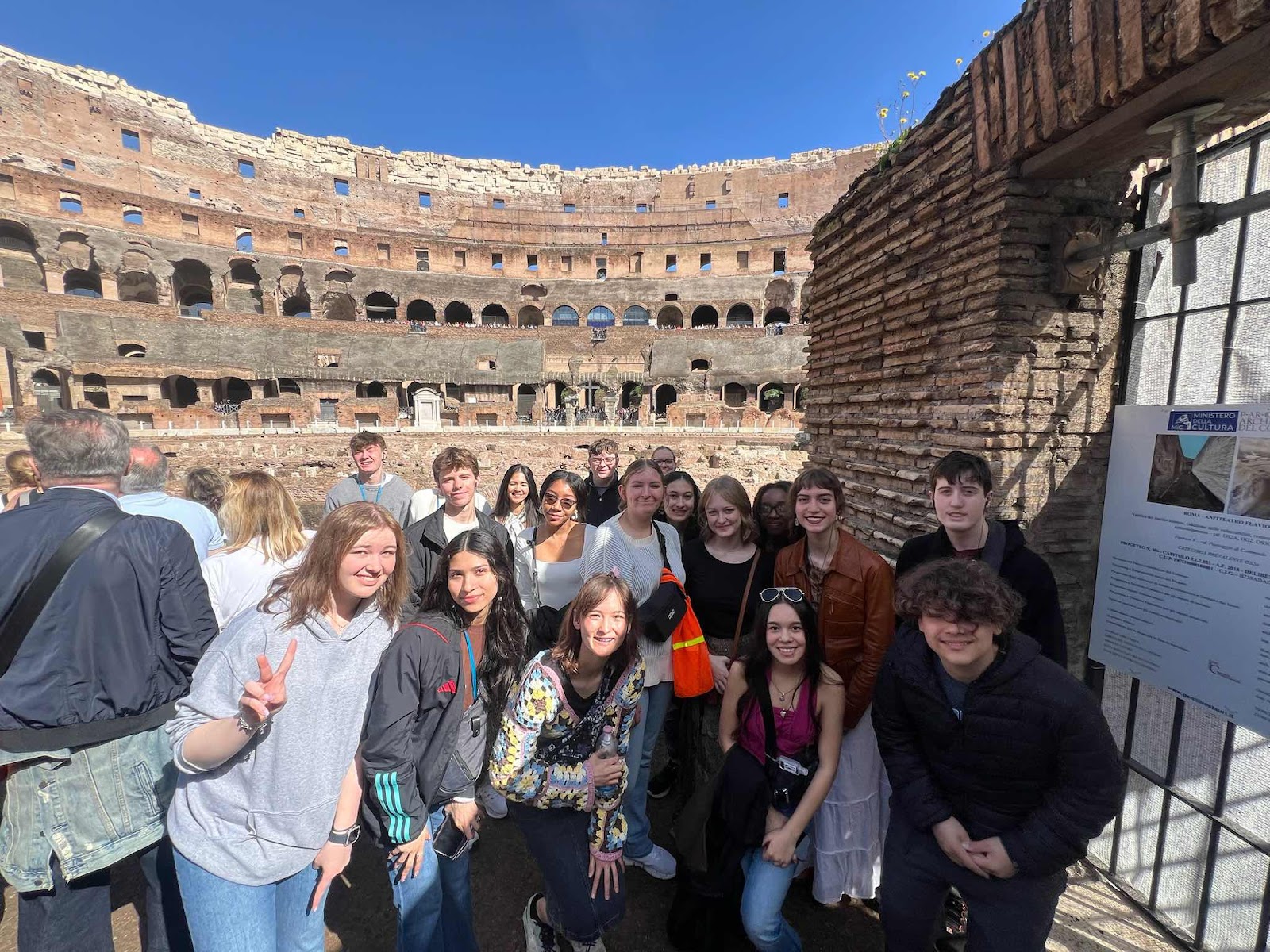
The Colosseum could hold around 50,000 spectators, all cheering for gladiator battles, wild animal hunts, and even mock naval battles (yes, they flooded the arena, but no sharks like the movie!).
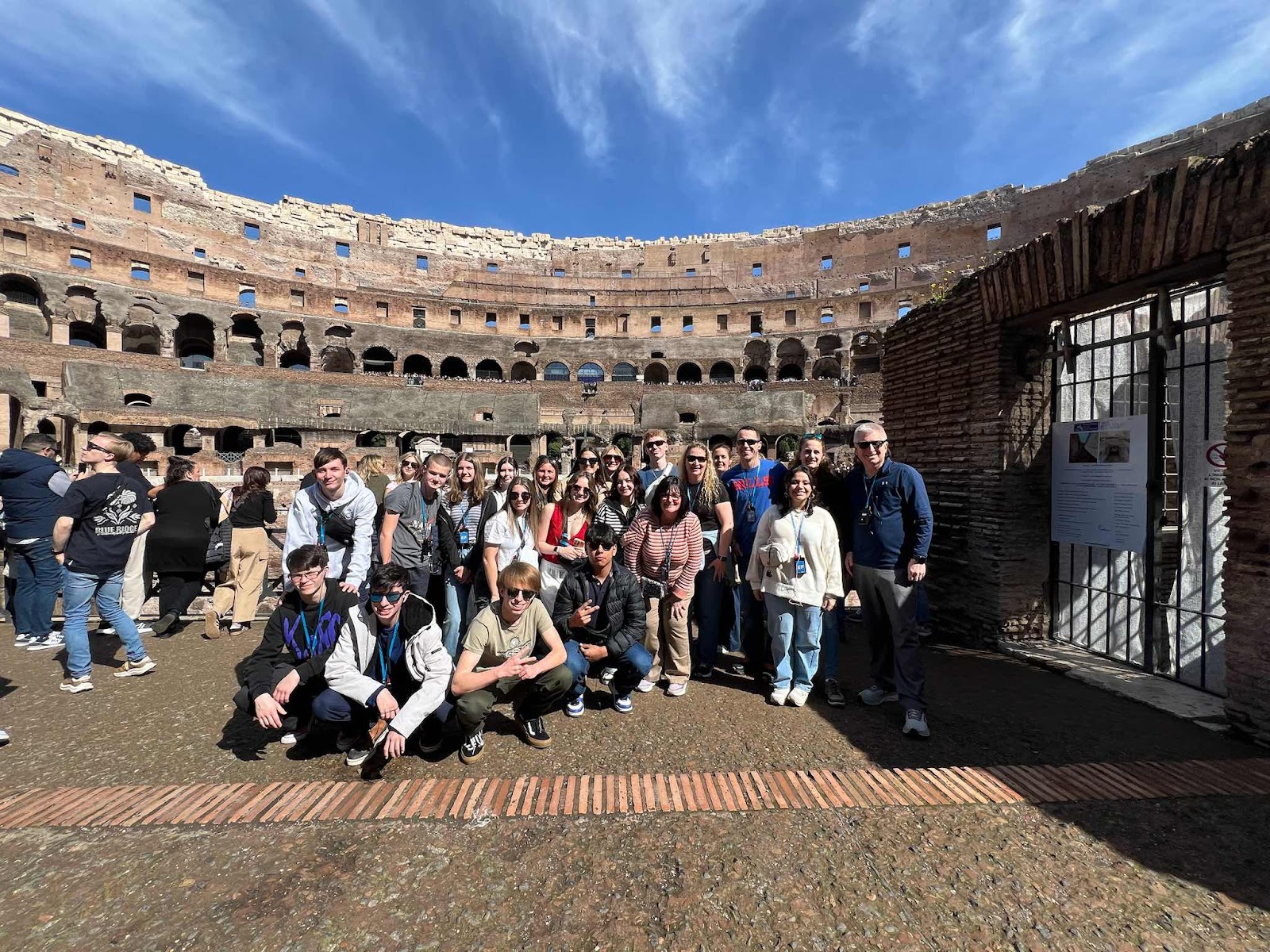
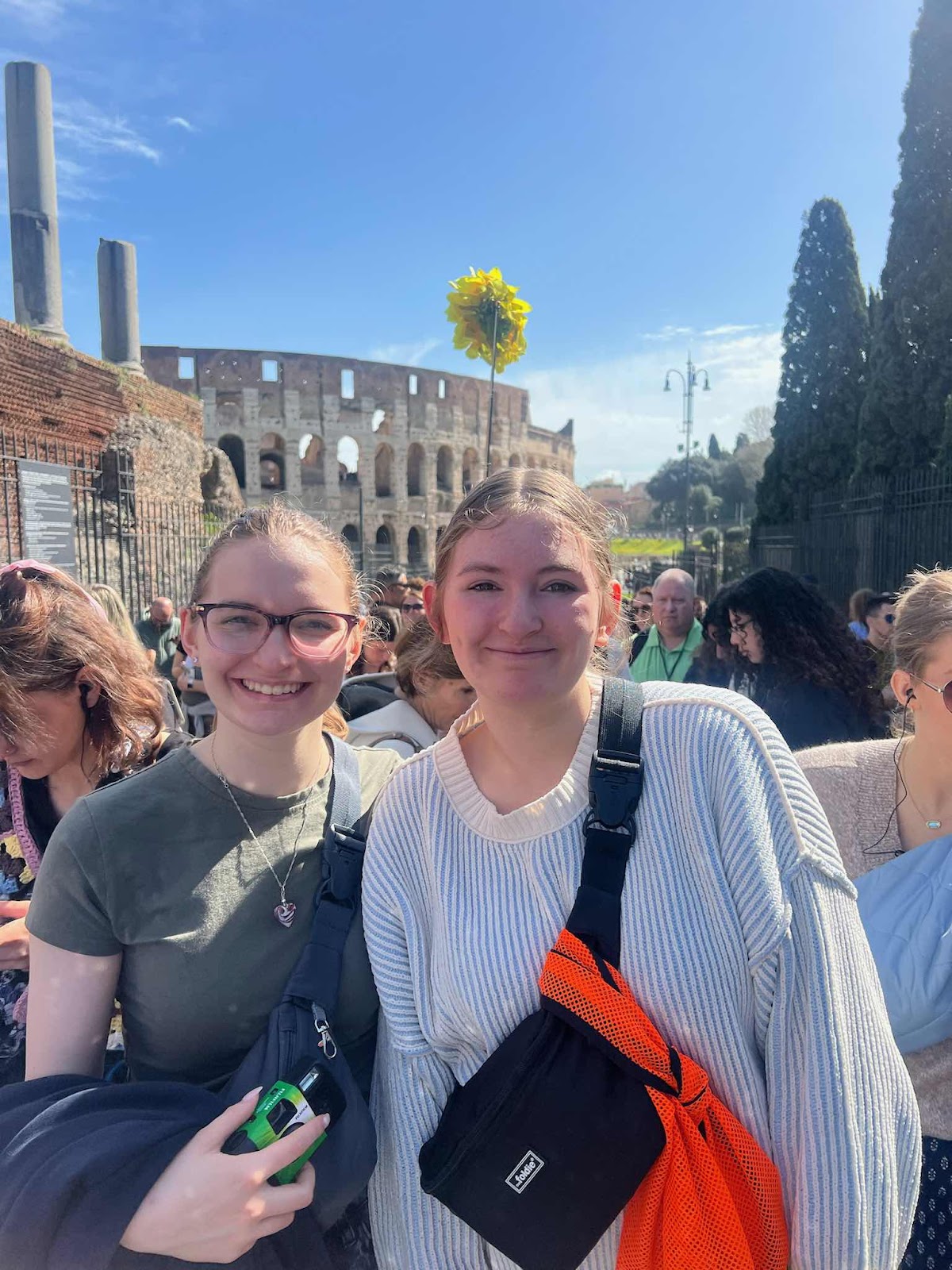
The Coliseum was built in record time. It only took about ten years to build, which is impressive considering the size. Tens of thousands of enslaved people and skilled workers worked nonstop to complete it. Roman soldiers were also contributors.
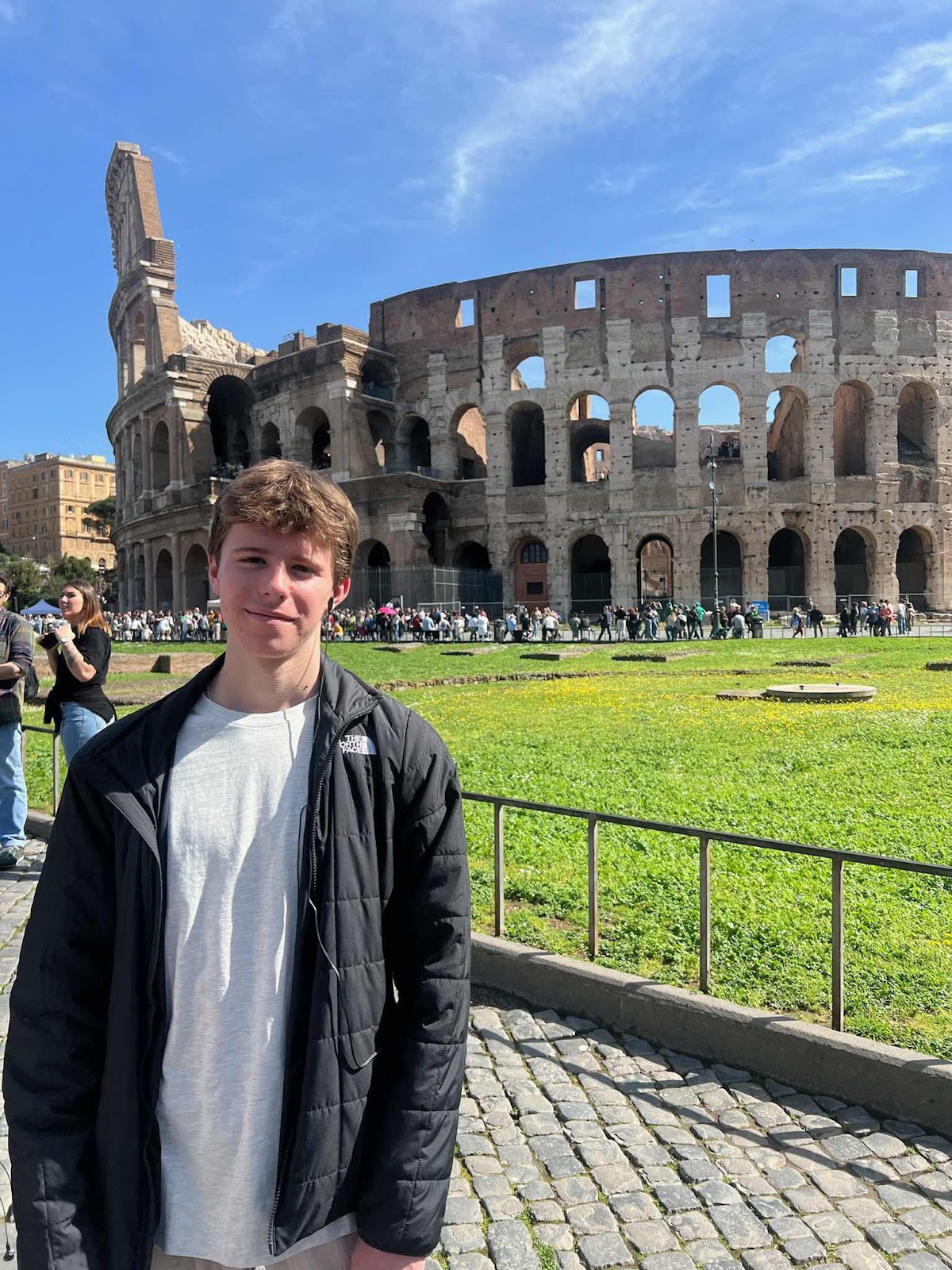
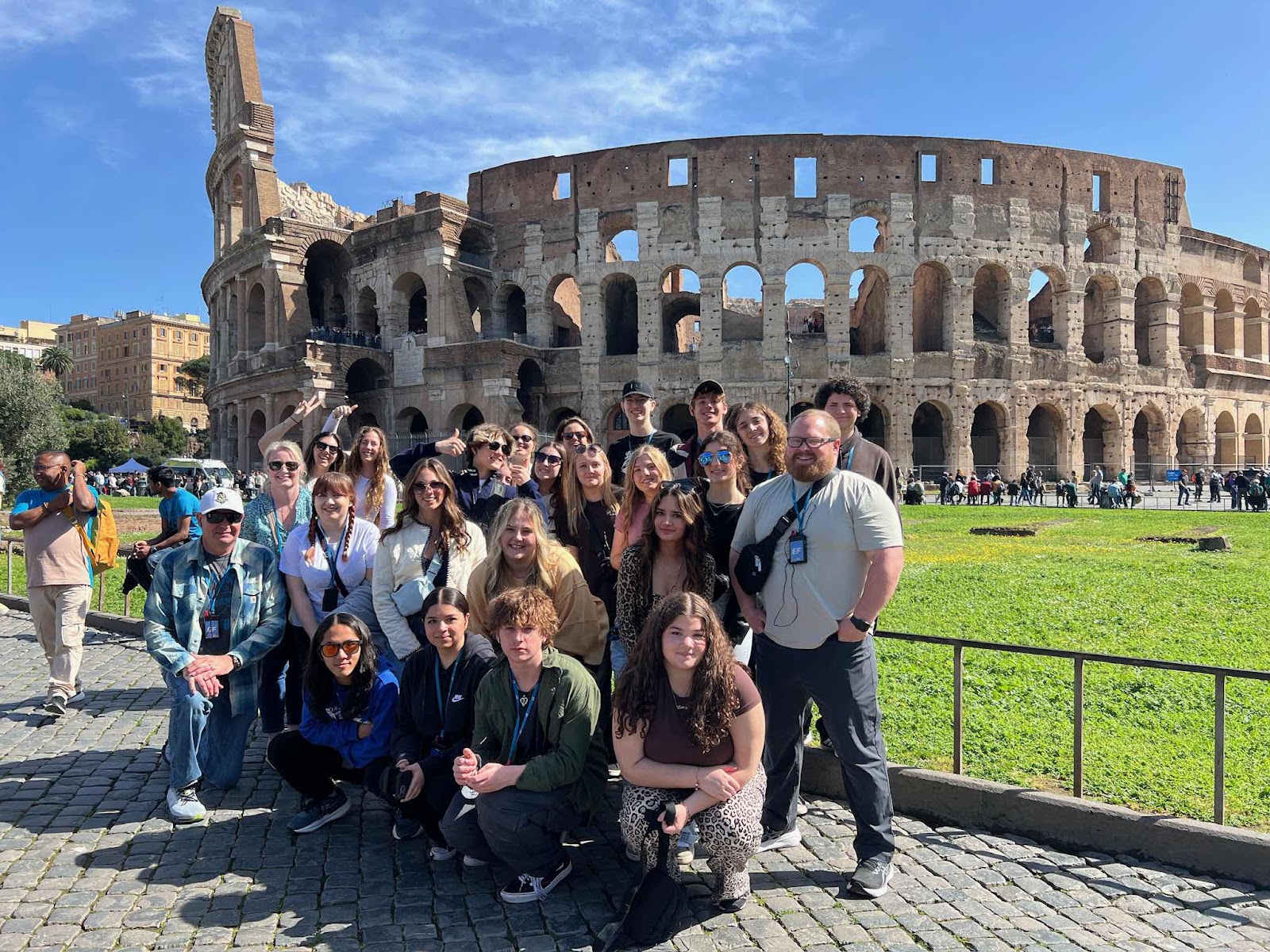
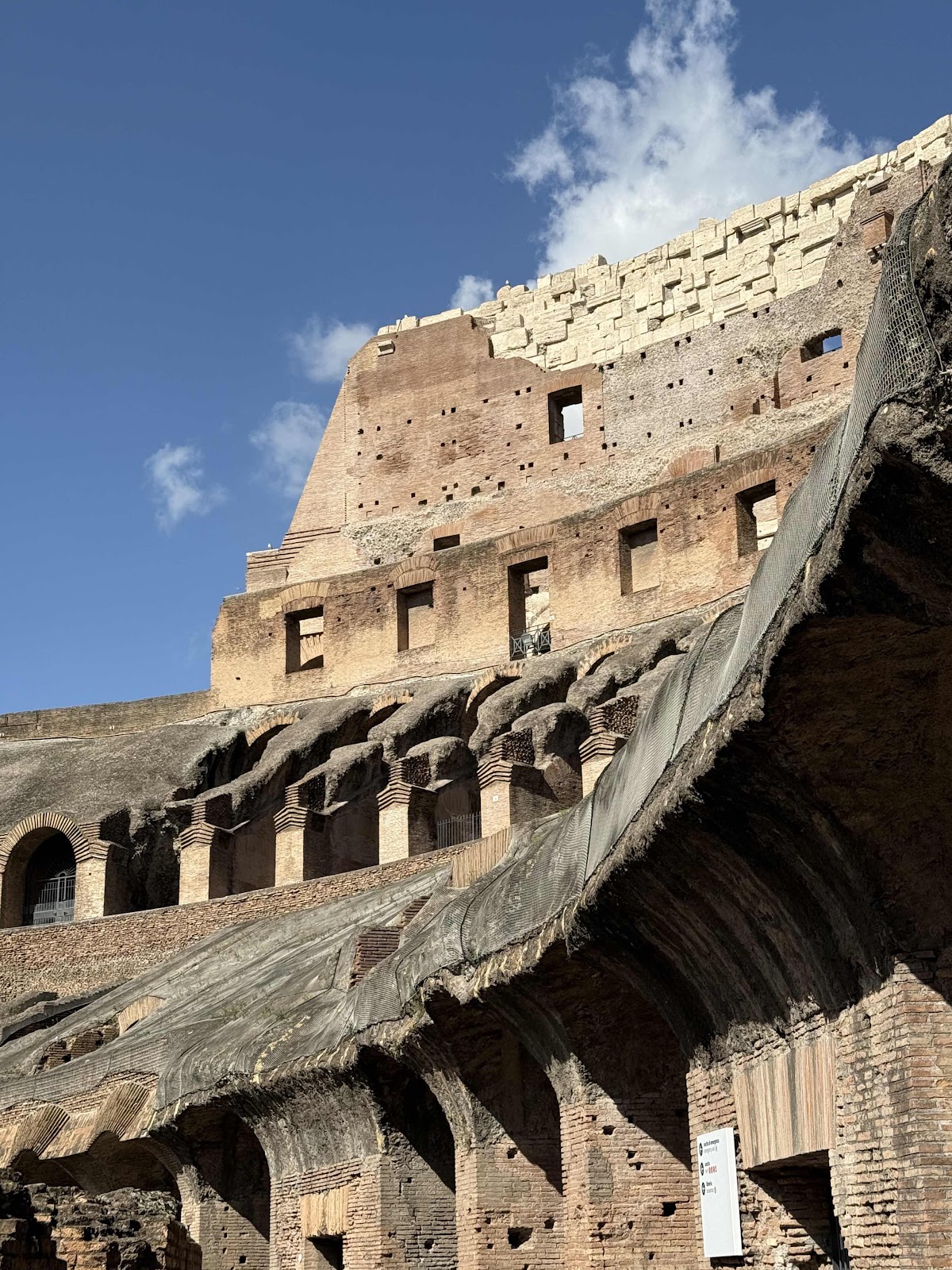
It’s a masterpiece of Roman engineering that lives on in “The Eternal City”. The Colosseum stands at about 160 feet tall (as high as a 15-story building) and is built from travertine limestone, volcanic rock, and brick-faced concrete—materials that have helped it survive for nearly 2,000 years. Its elliptical shape (not a perfect circle) helped distribute weight evenly, making it one of the strongest structures of its time.
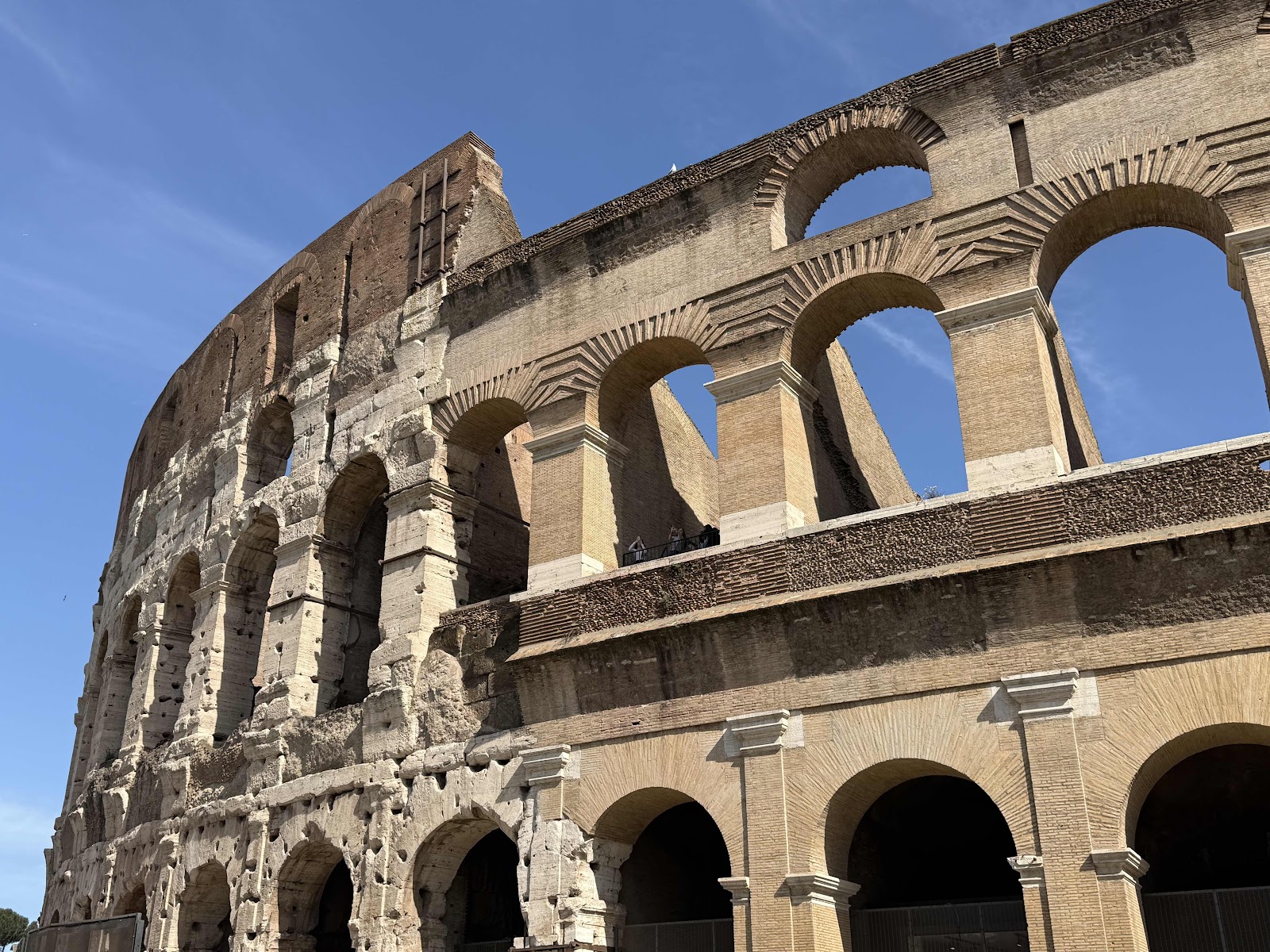
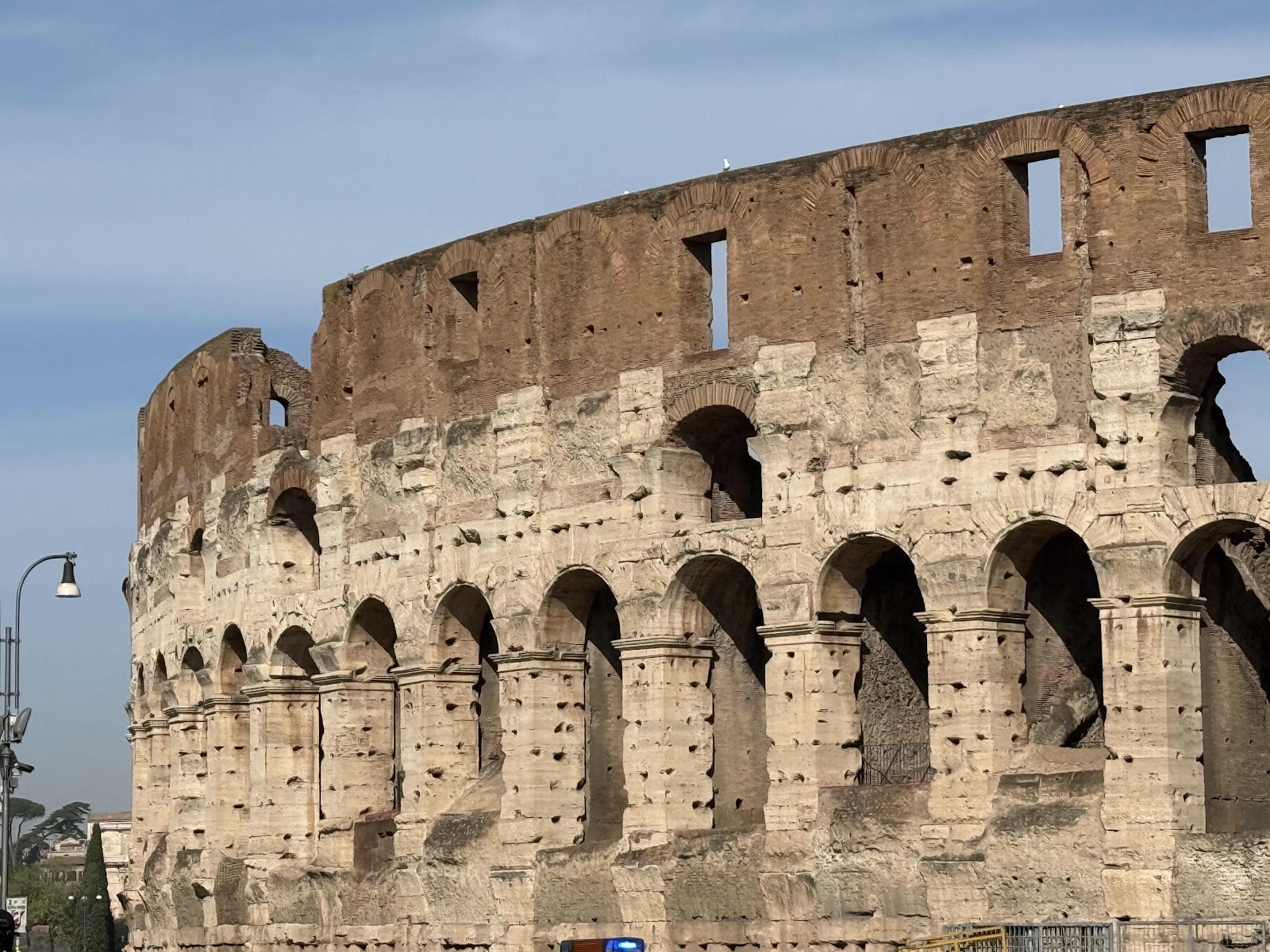
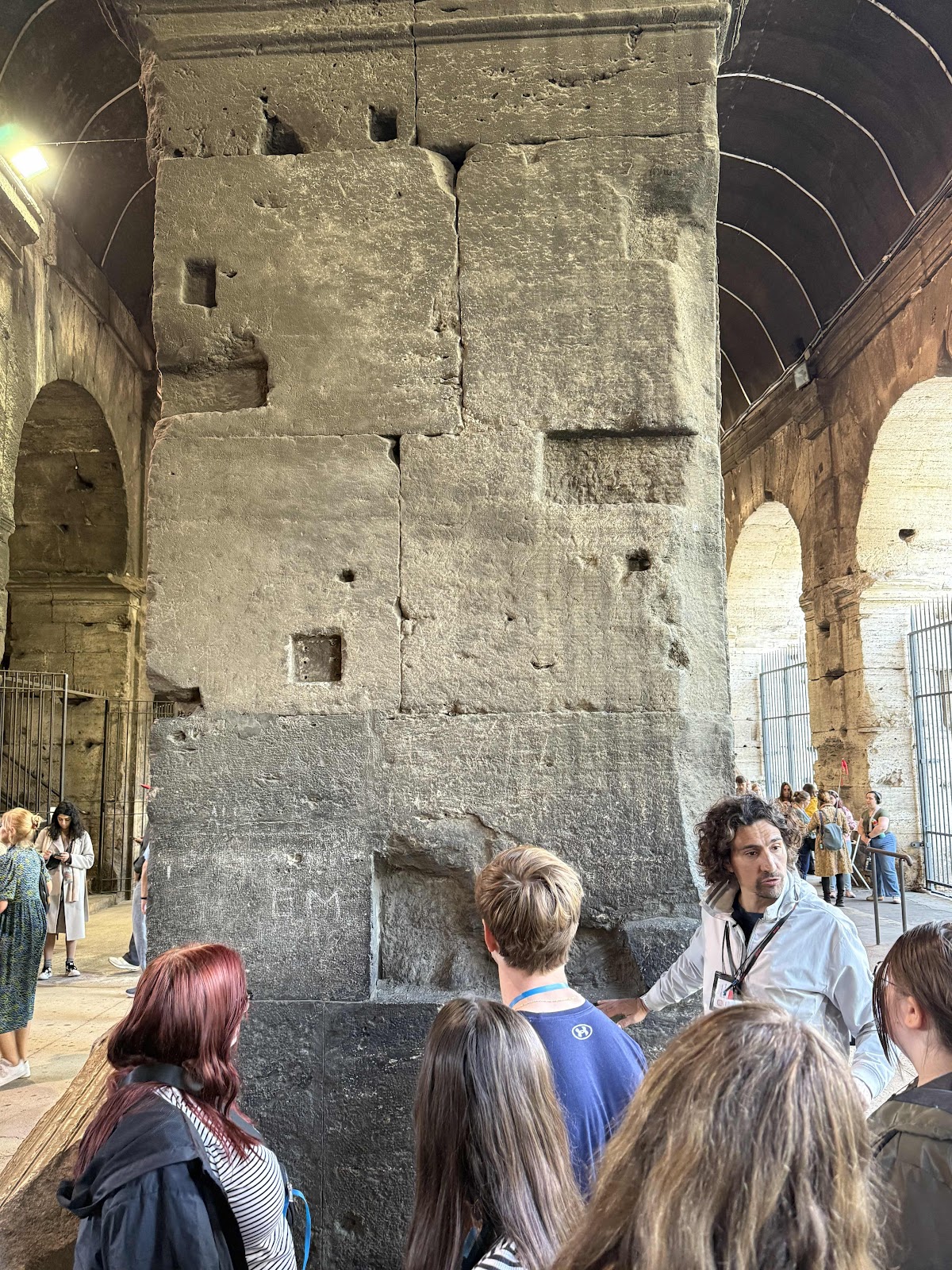
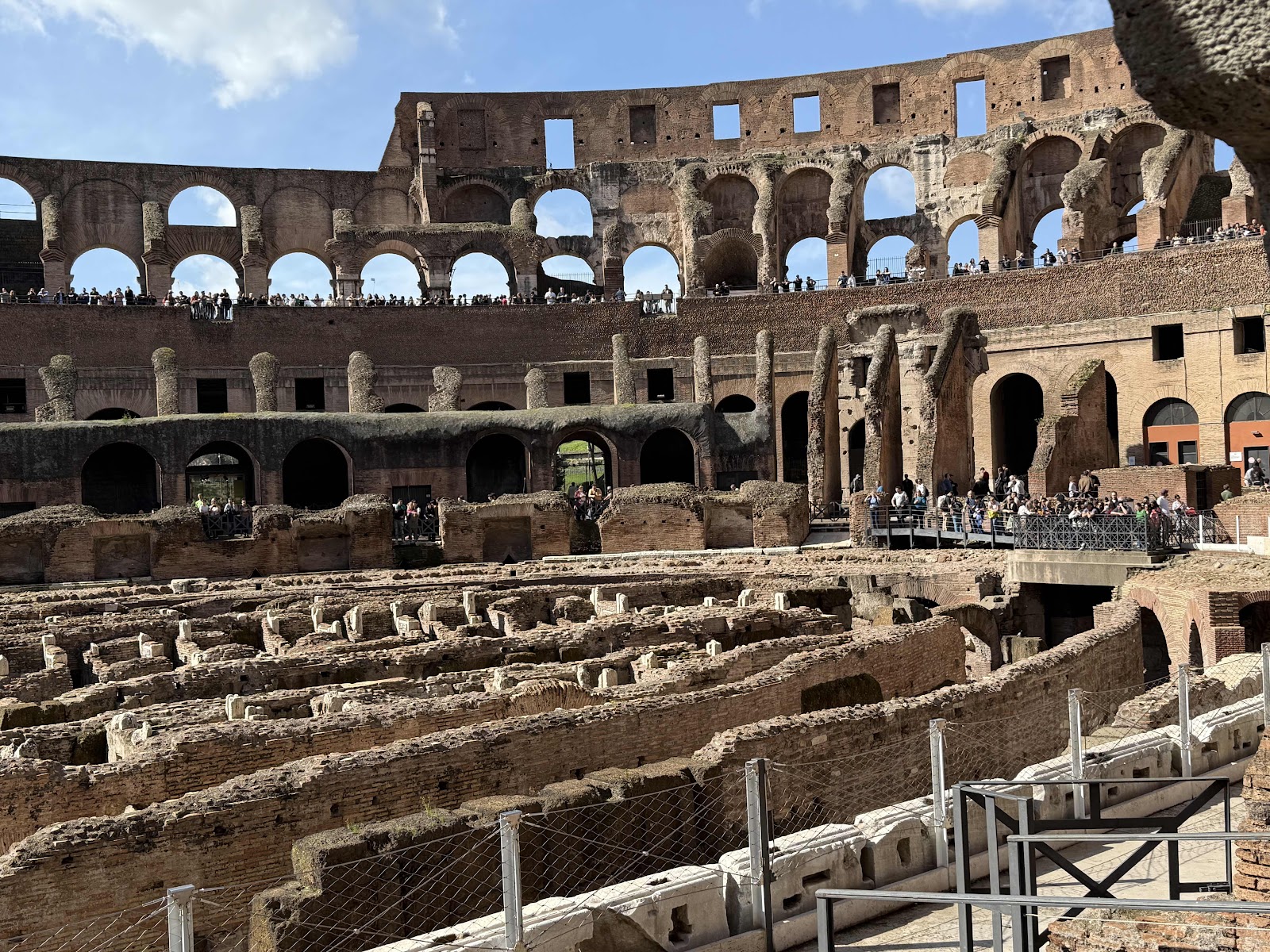
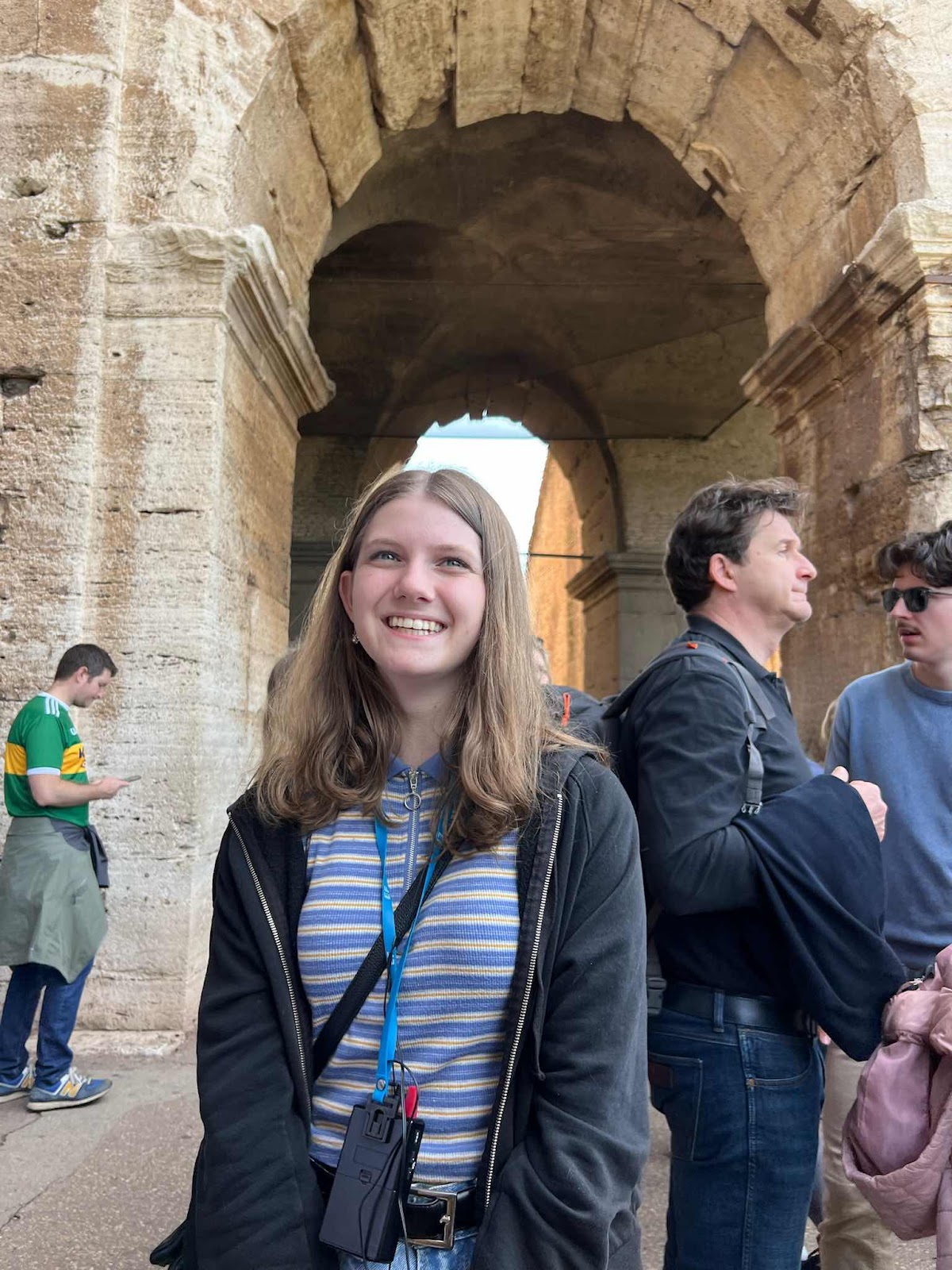
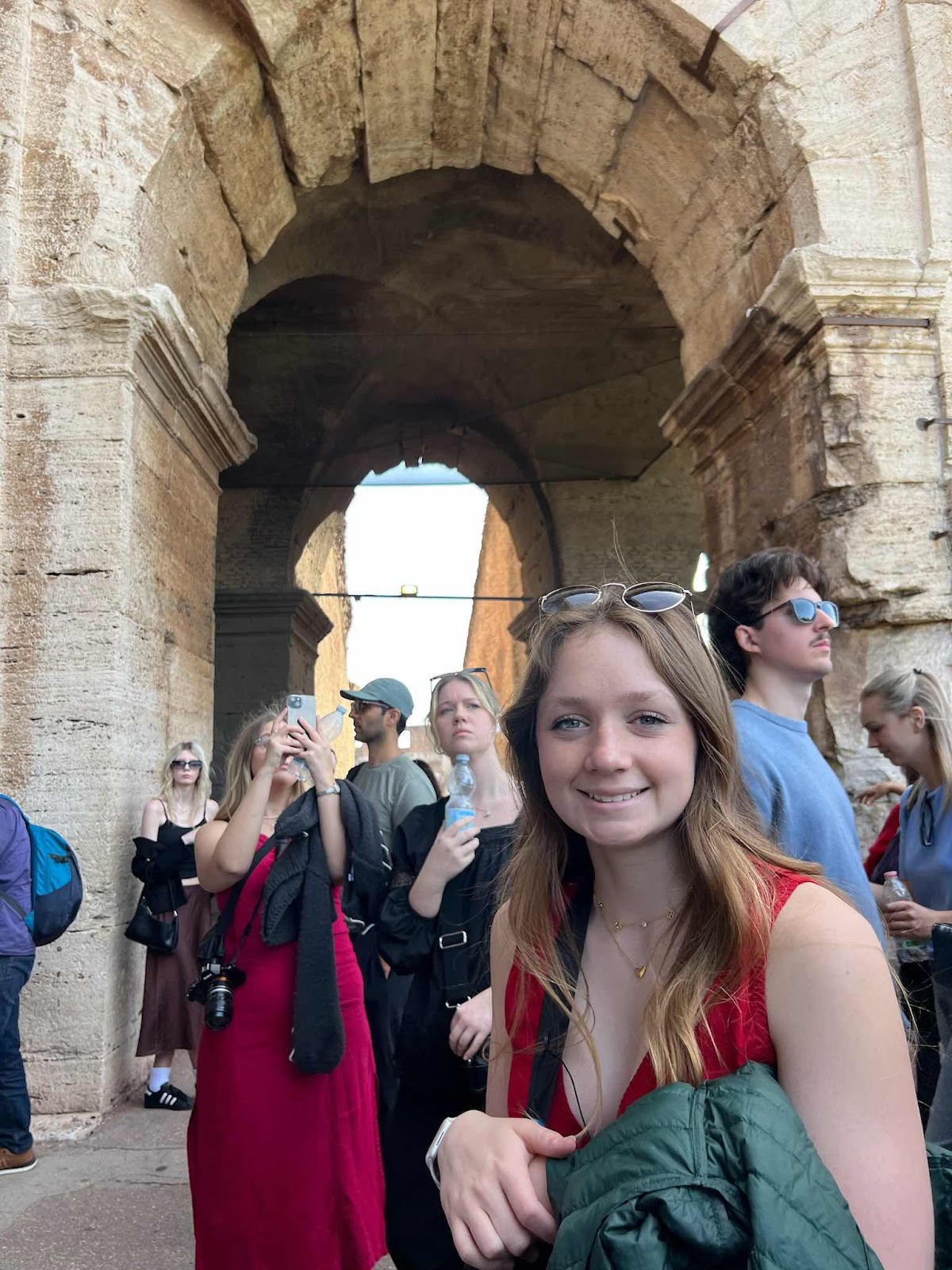
The columns have holes in them that make them look like Swiss cheese. These used to hold the iron bar supports that made the structure stronger. During the Middle Ages people cut holes and removed the bars to use them for other buildings.
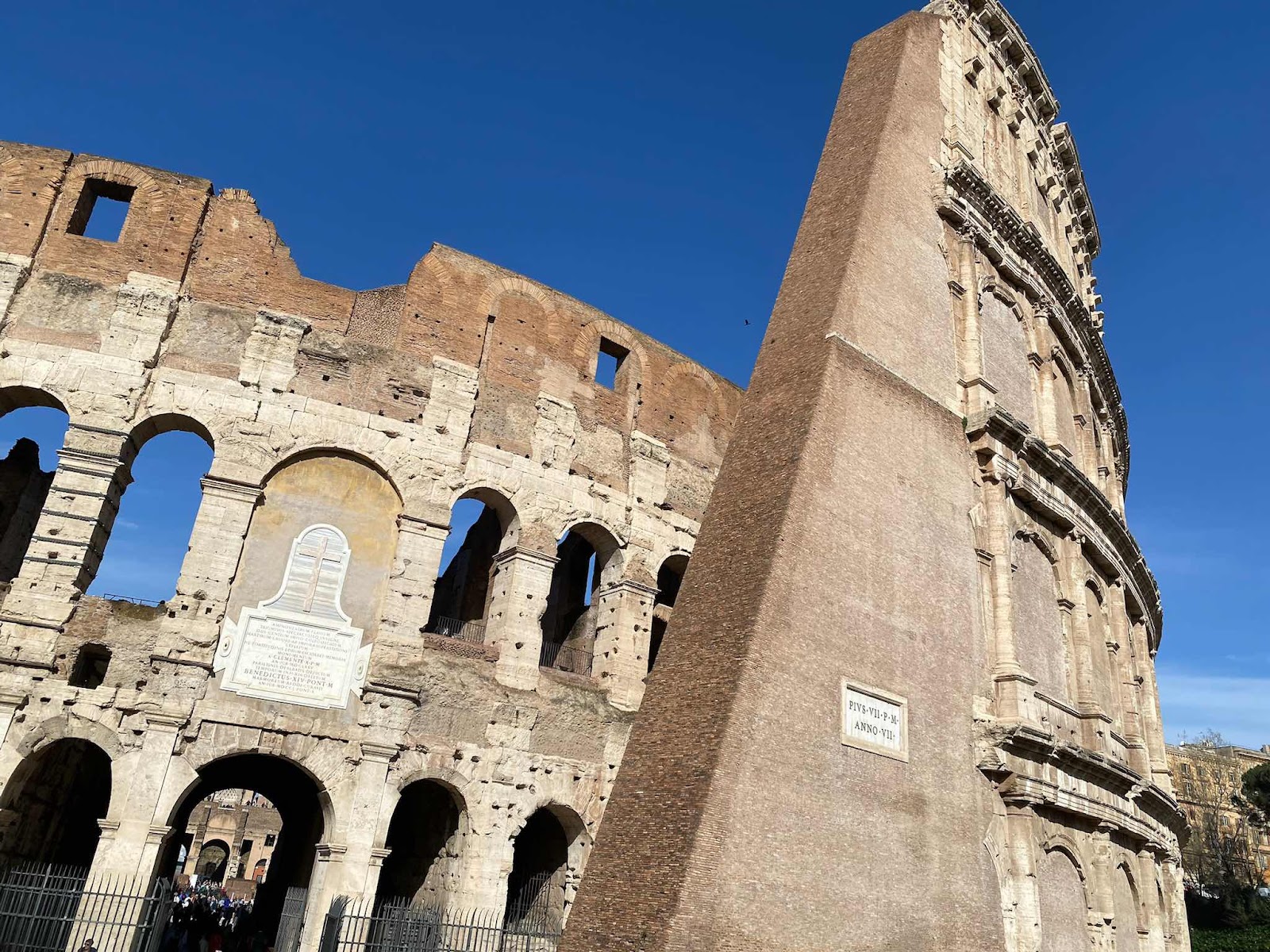
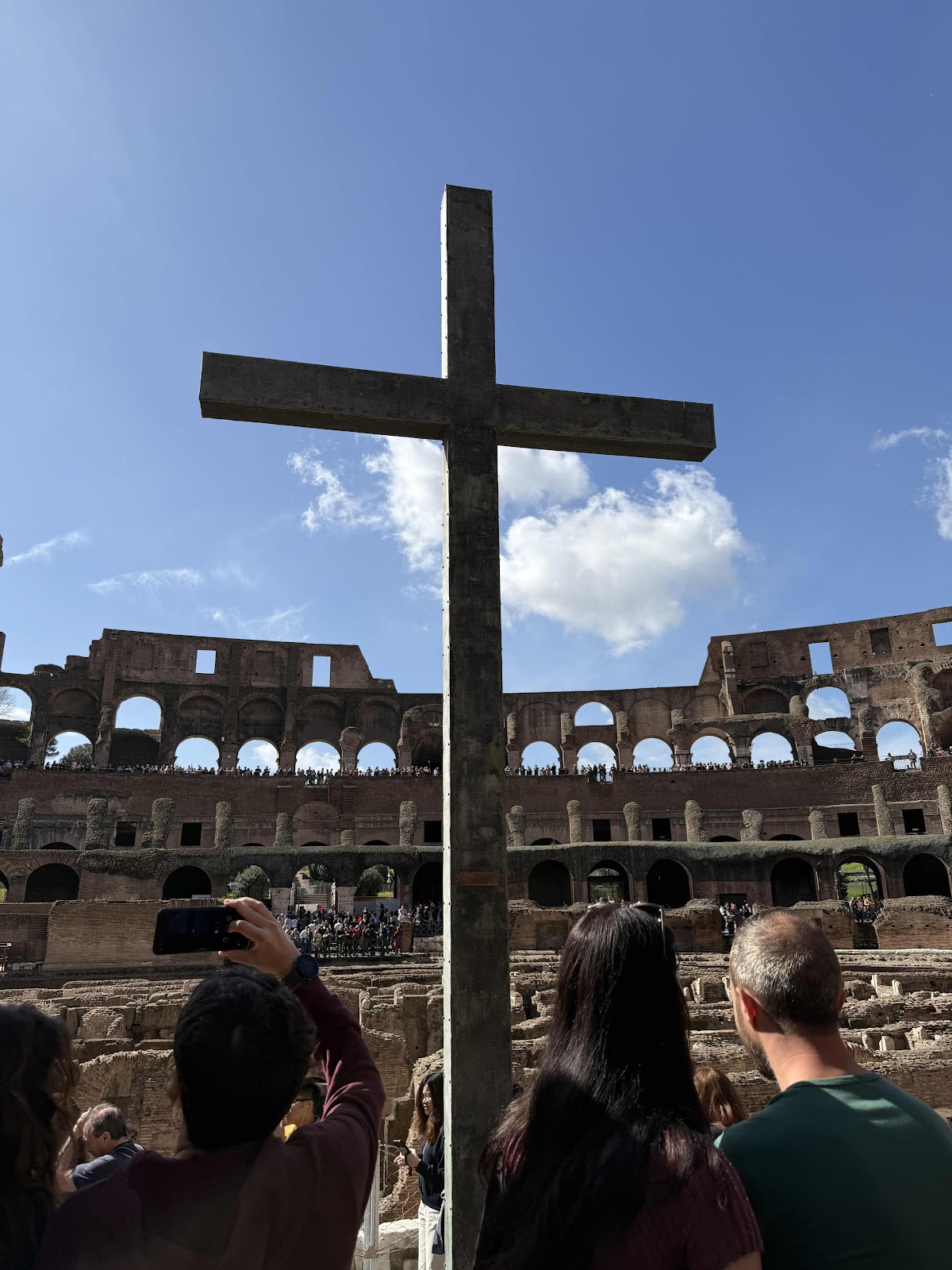
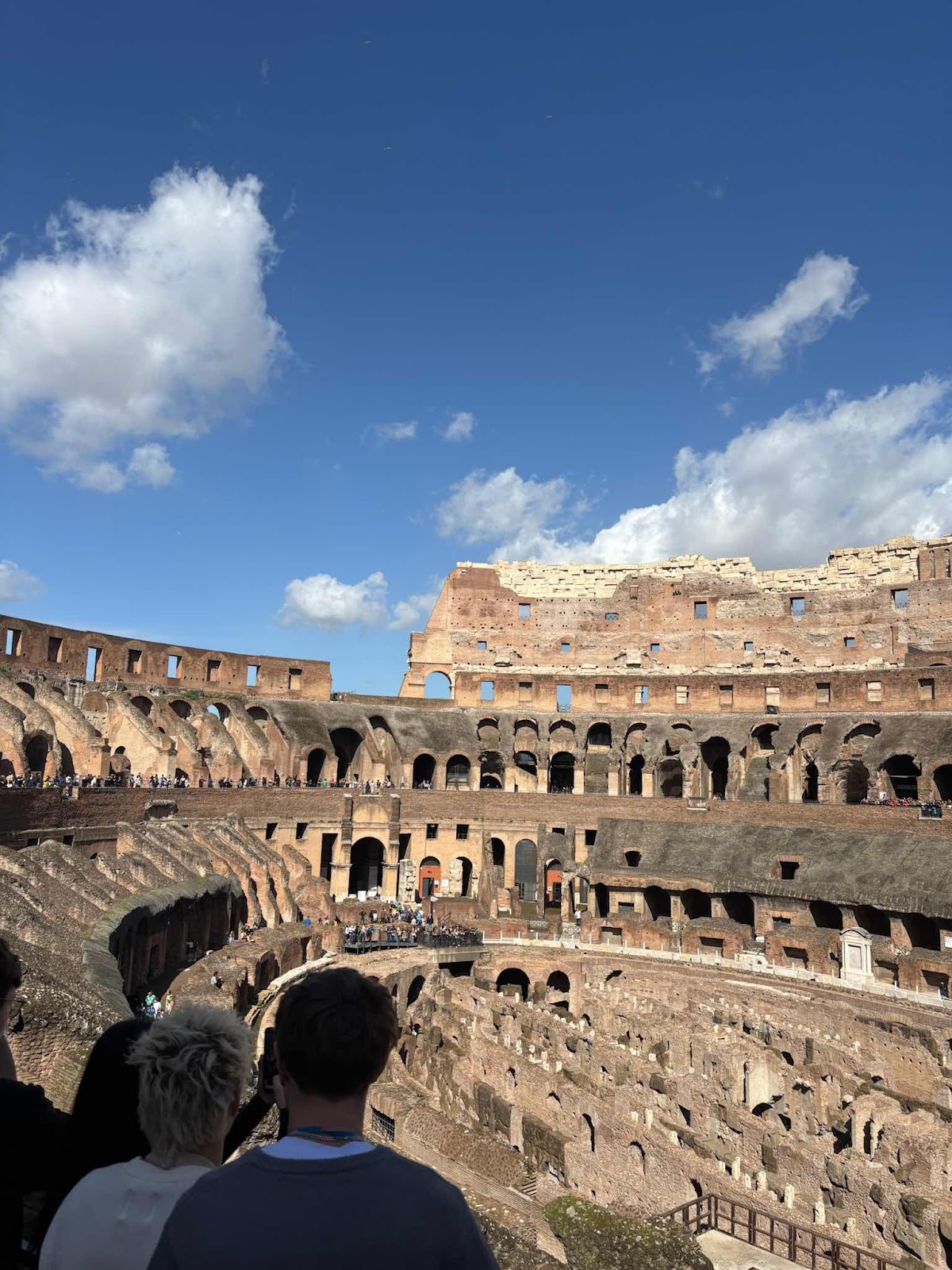
Many students said the arena was more run down than they expected. In addition to building scavengers, some people during the ultra Christian period of the Middle Ages enjoyed destroying what was a symbol to them of the persecution of Christians during the Roman Empire. Pope Pious the 7th put a stop to this which helped to preserve the building.
Not all gladiators were free men. Many were enslaved people or prisoners, but some were volunteers hoping to win fame and fortune. Some even became celebrities, with fans carving their names into walls like ancient graffiti.
Thumbs up and thumbs down originated here. You’ve maybe heard that the emperor gave a thumbs down to signal a gladiator’s death. But historians believe it was actually a thumbs up or a closed fist that meant “kill him”!
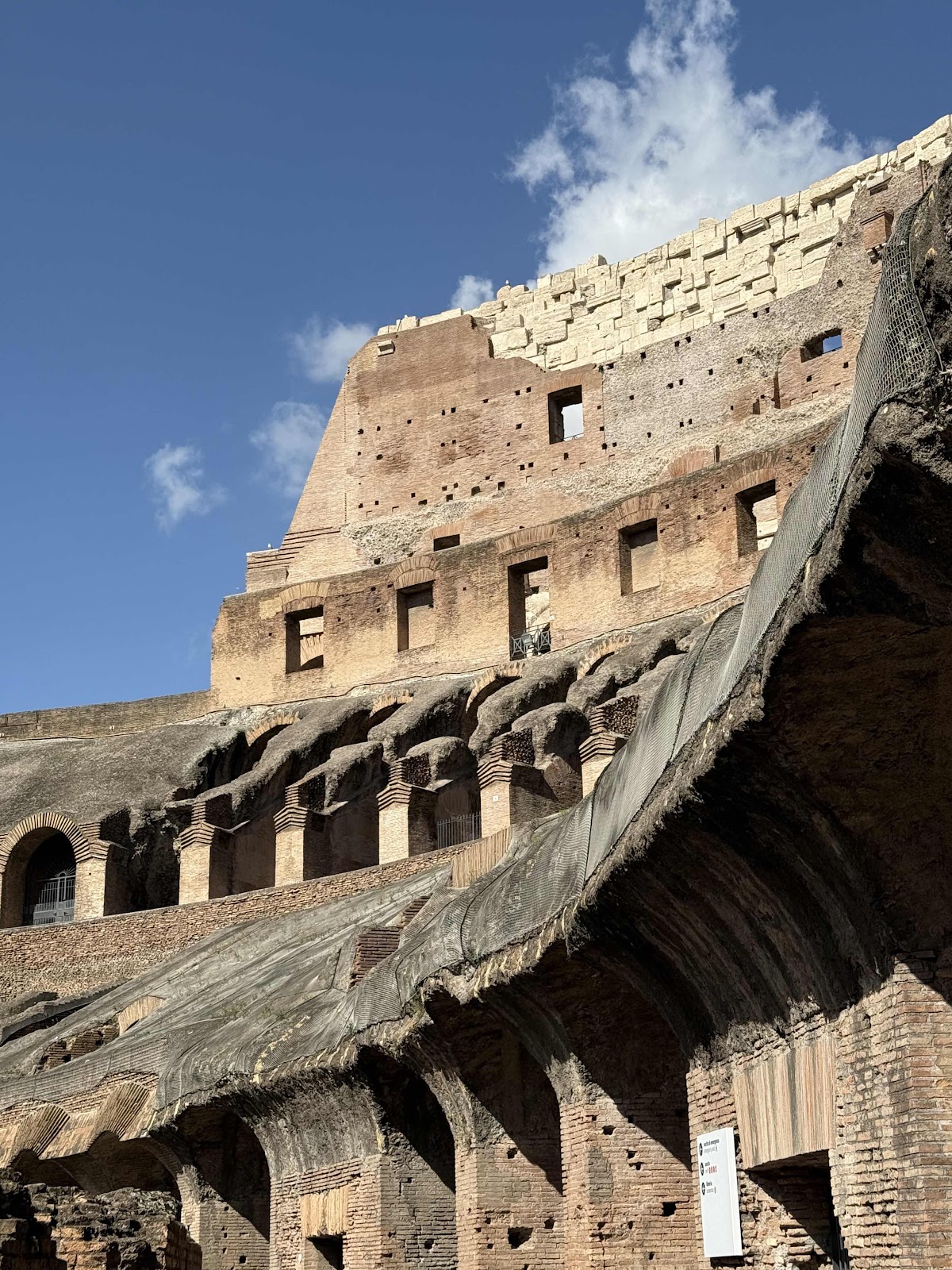
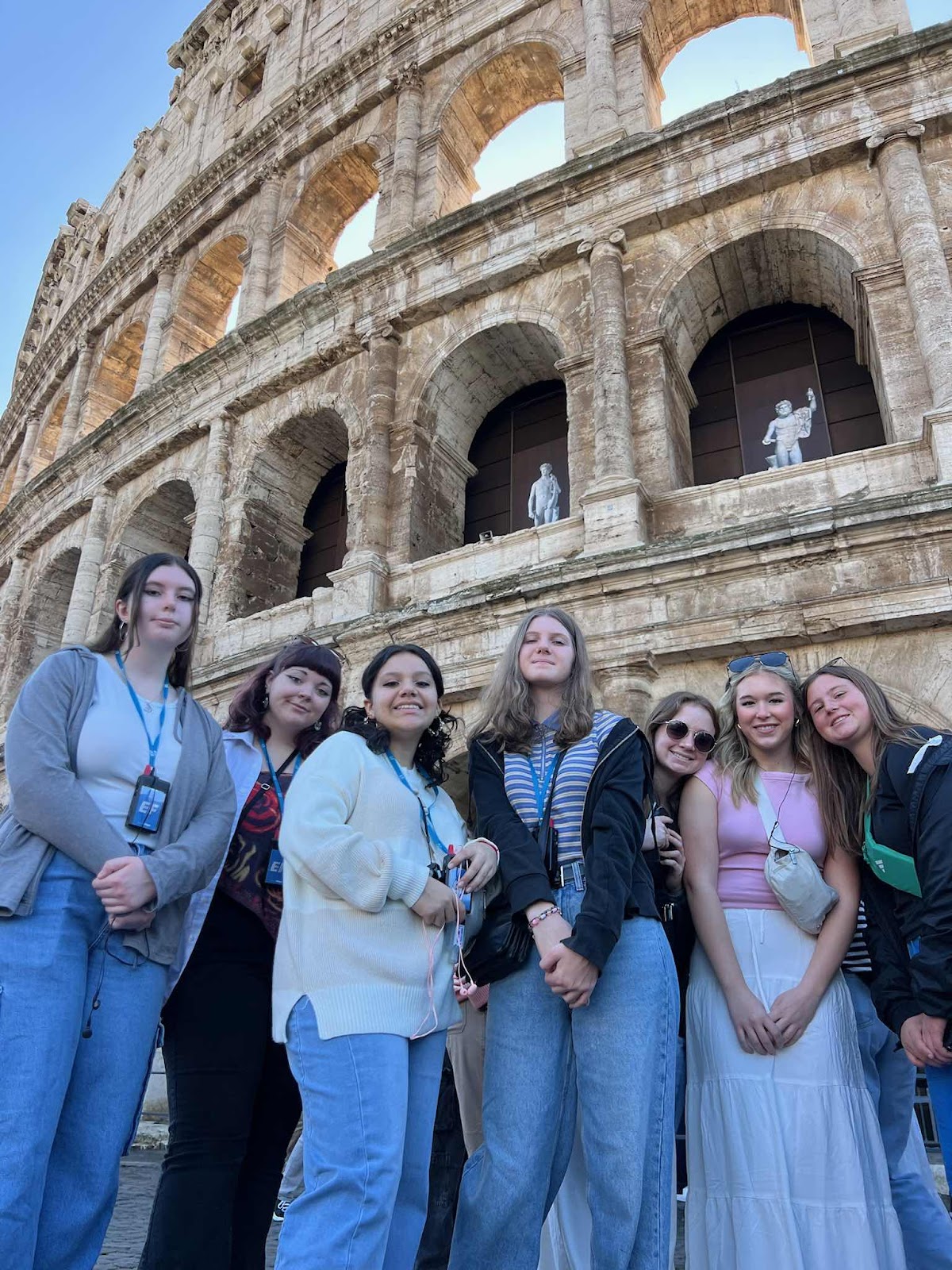
The Colosseum had its own version of VIP seating. The closer you sat to the action, the more important you were. The emperor had the best seat in his own box, while commoners sat way up top. Women and the poor got the worst spots—Rome had strict social rules! The emporer decided which VIPs would get his special seats and paid for them.
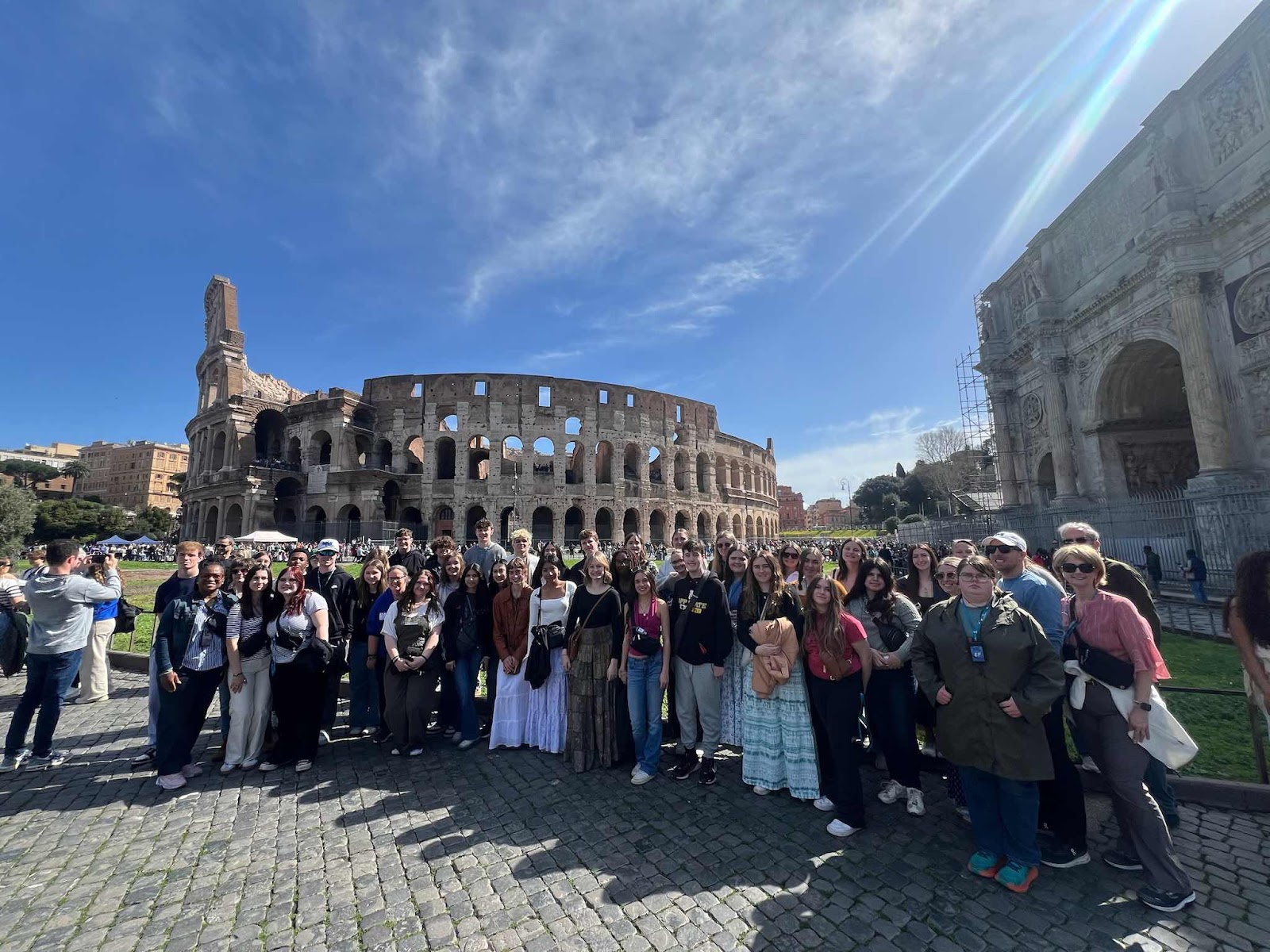
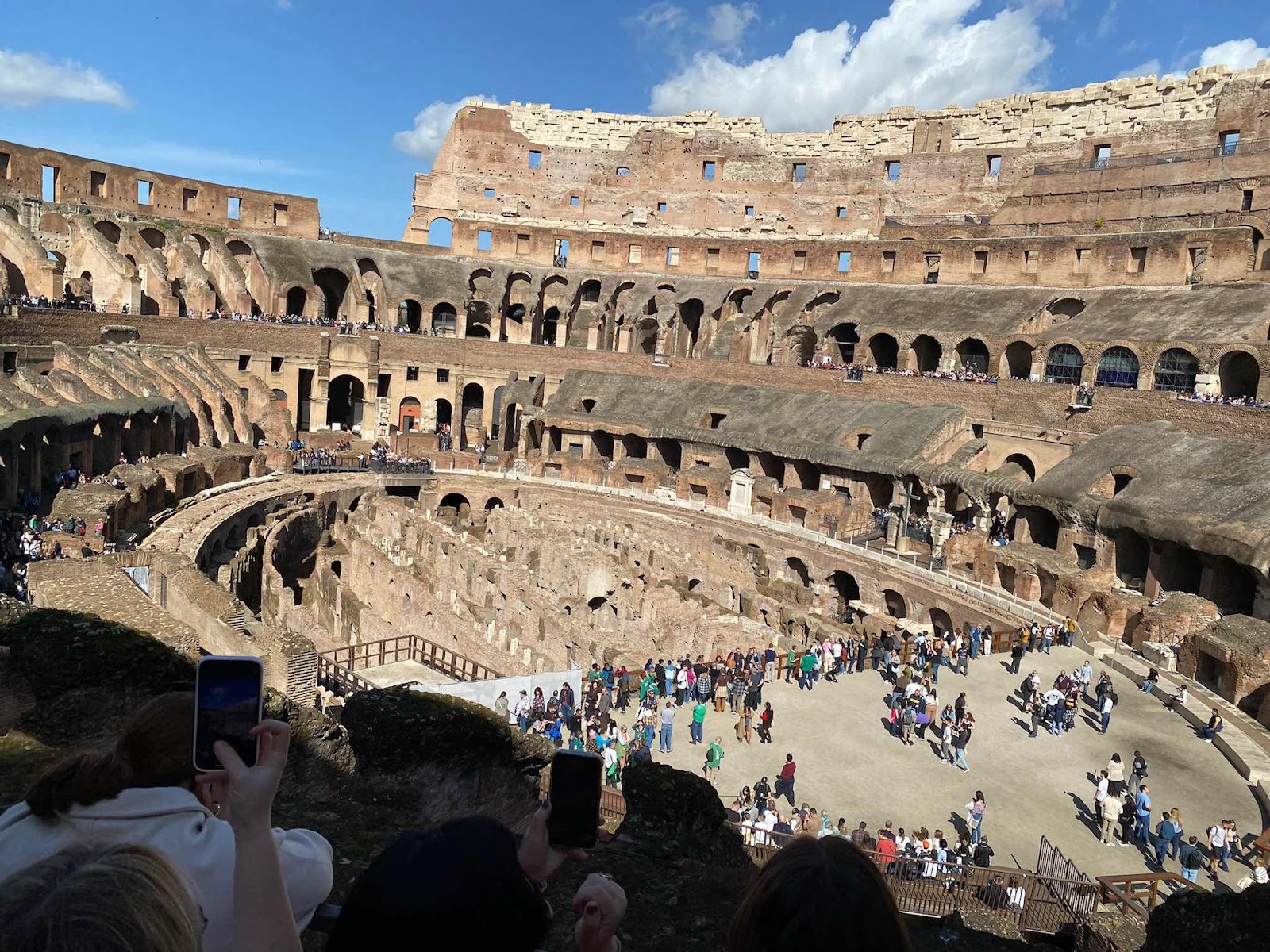
The bleachers were originally made from marble. None of the original bleachers remain but there is a small renovated section made with fragments found in the basement. You can also see the support columns over which the bleachers used to sit.
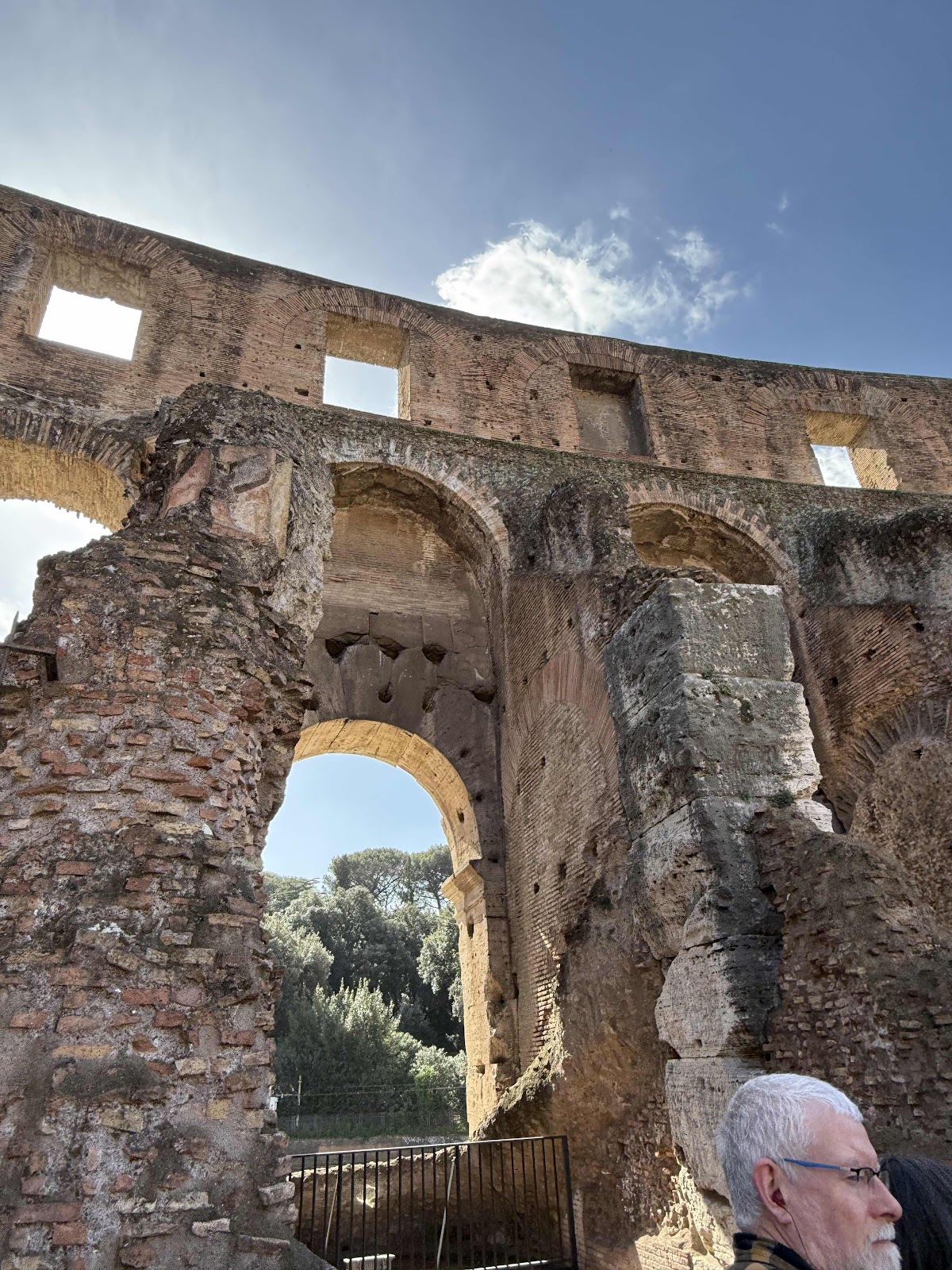
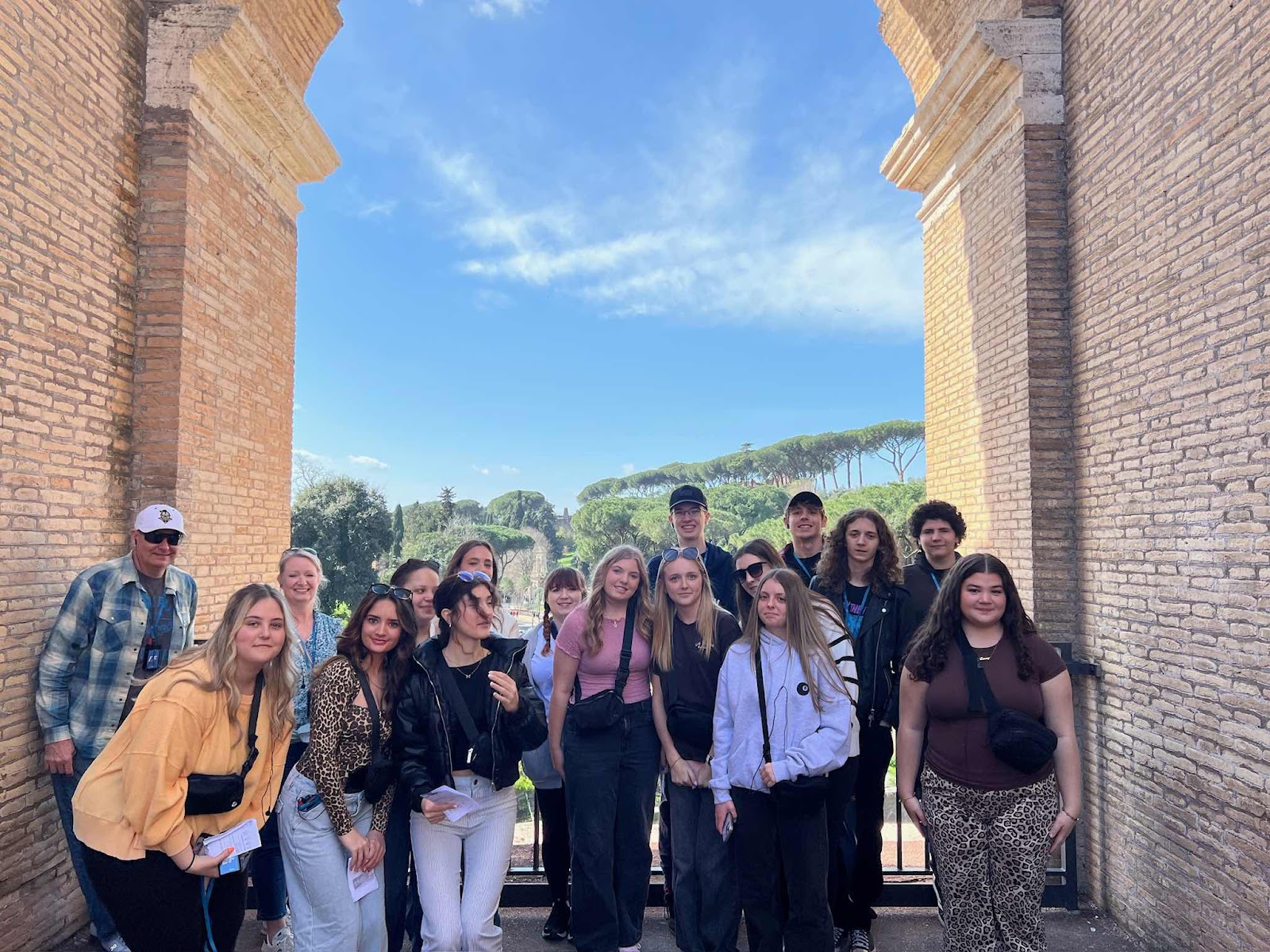
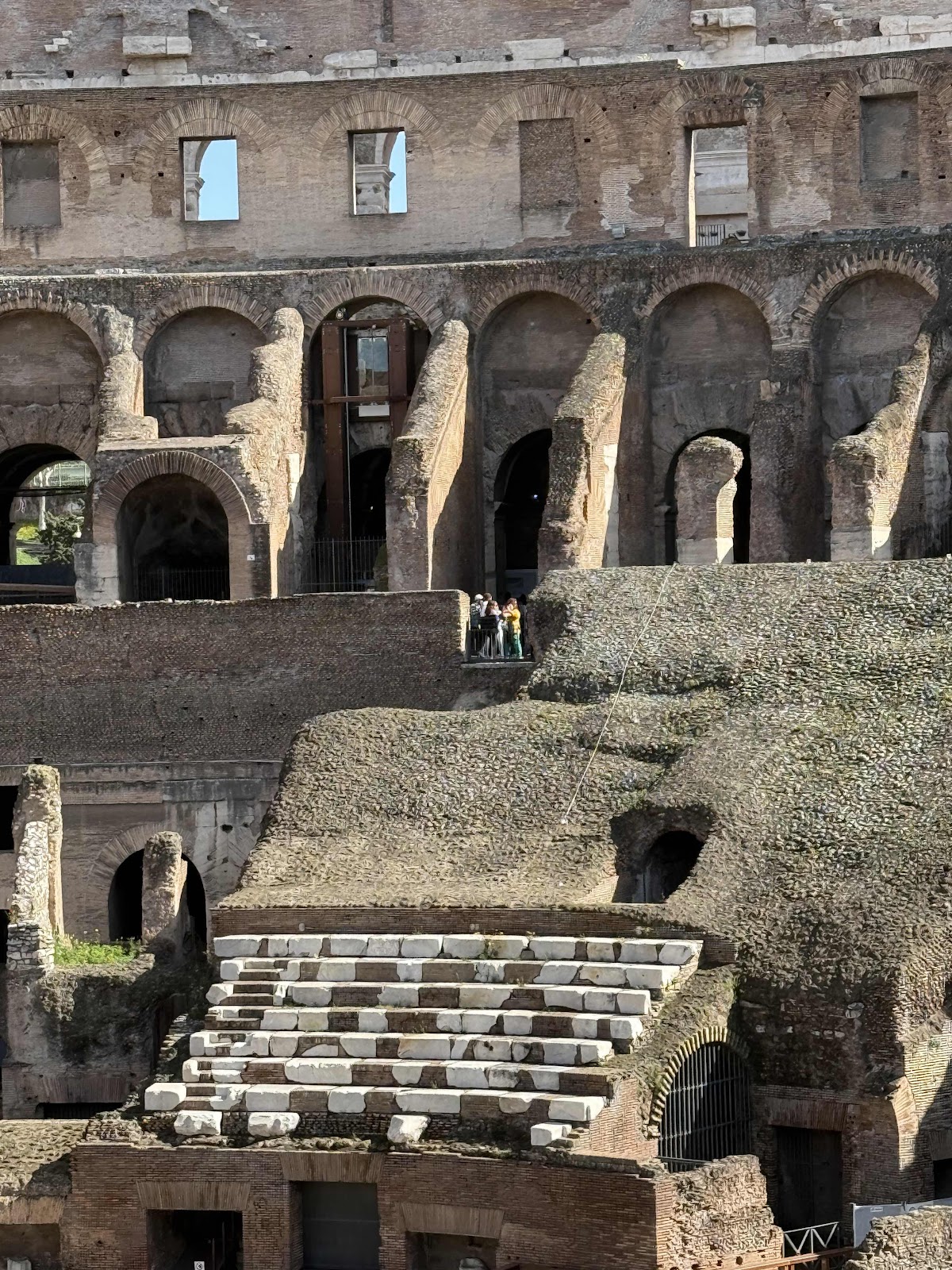
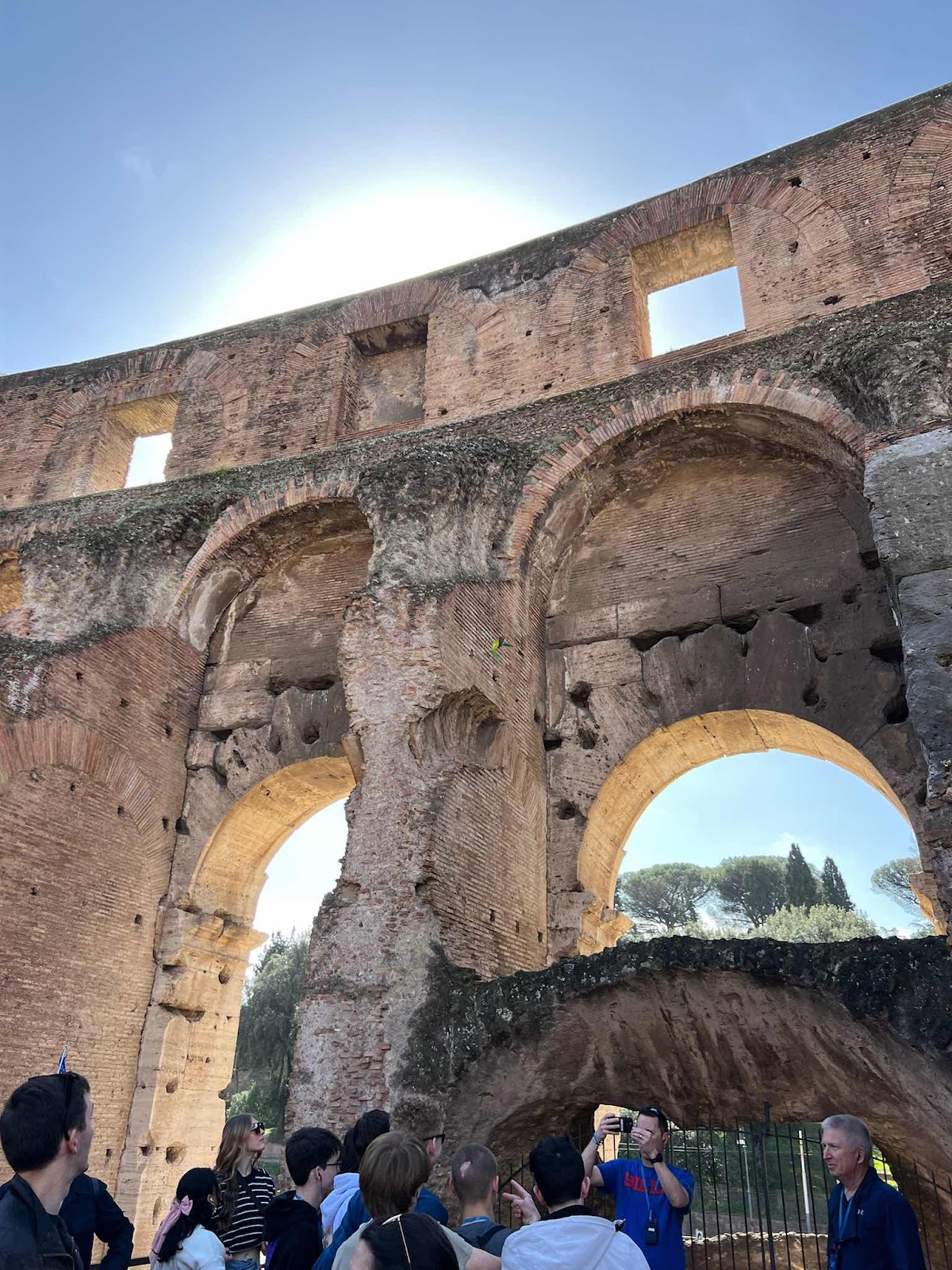
The stairs were also made of marble but like the bleachers, very little of the original material remains.
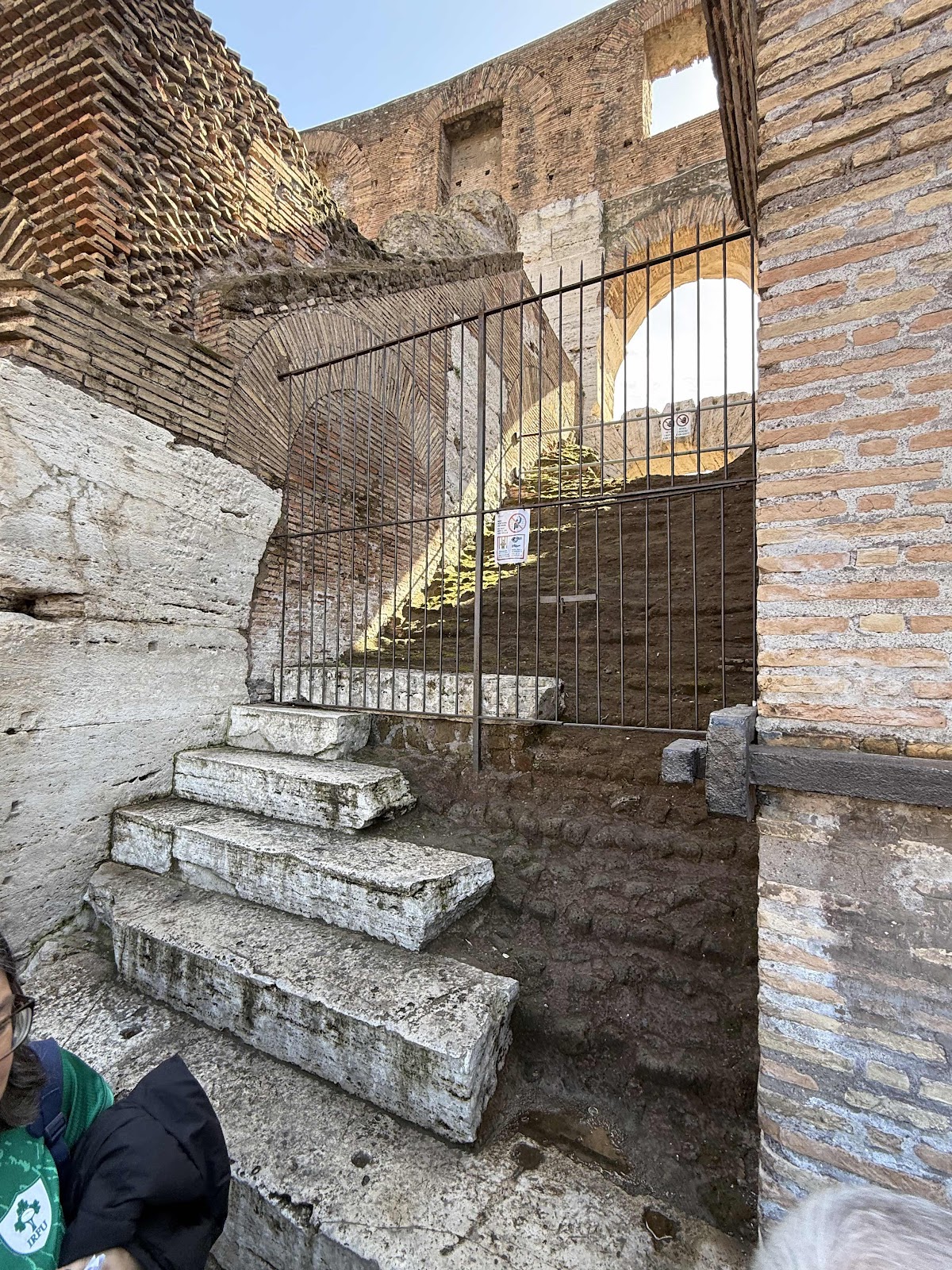
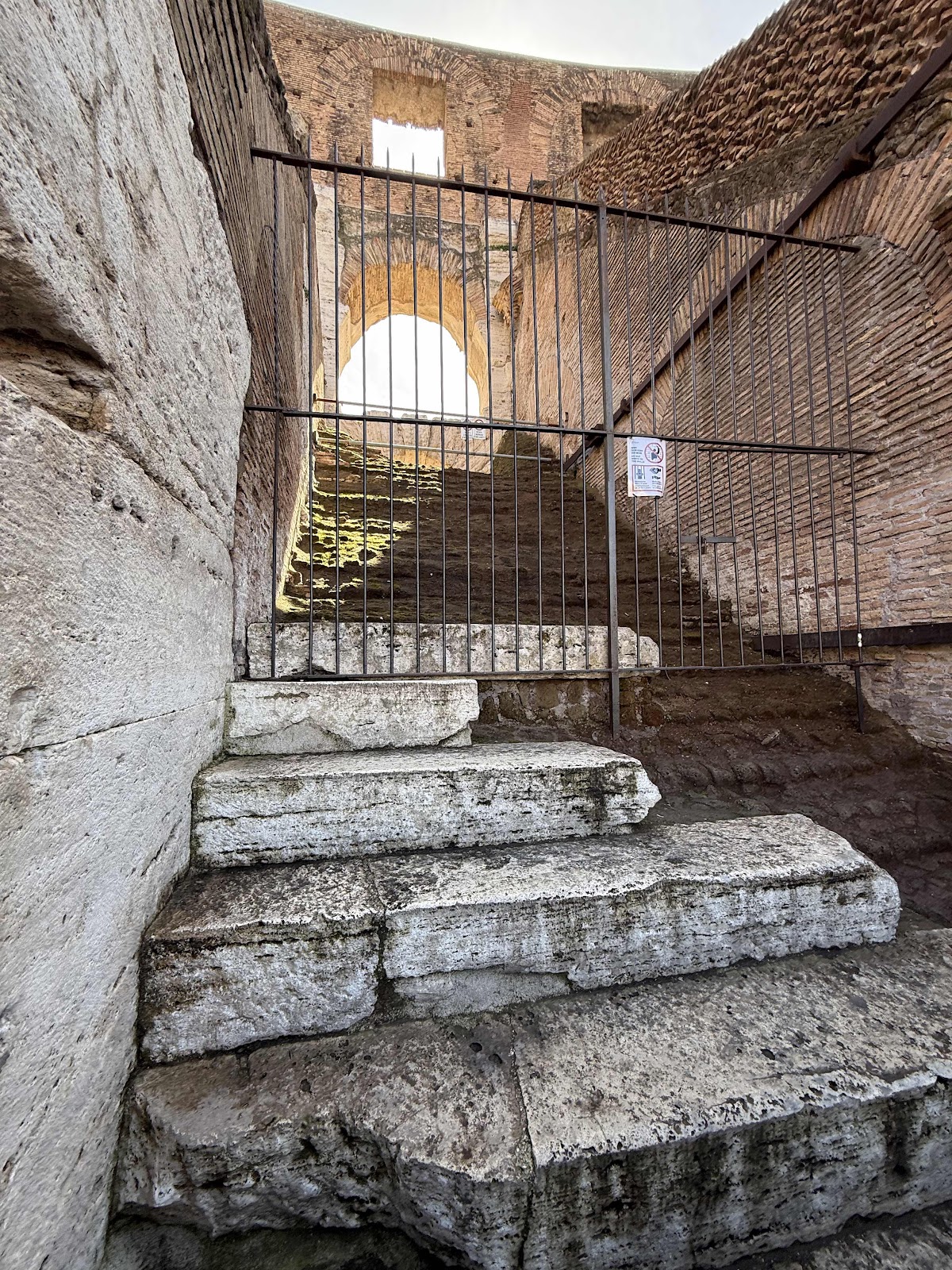
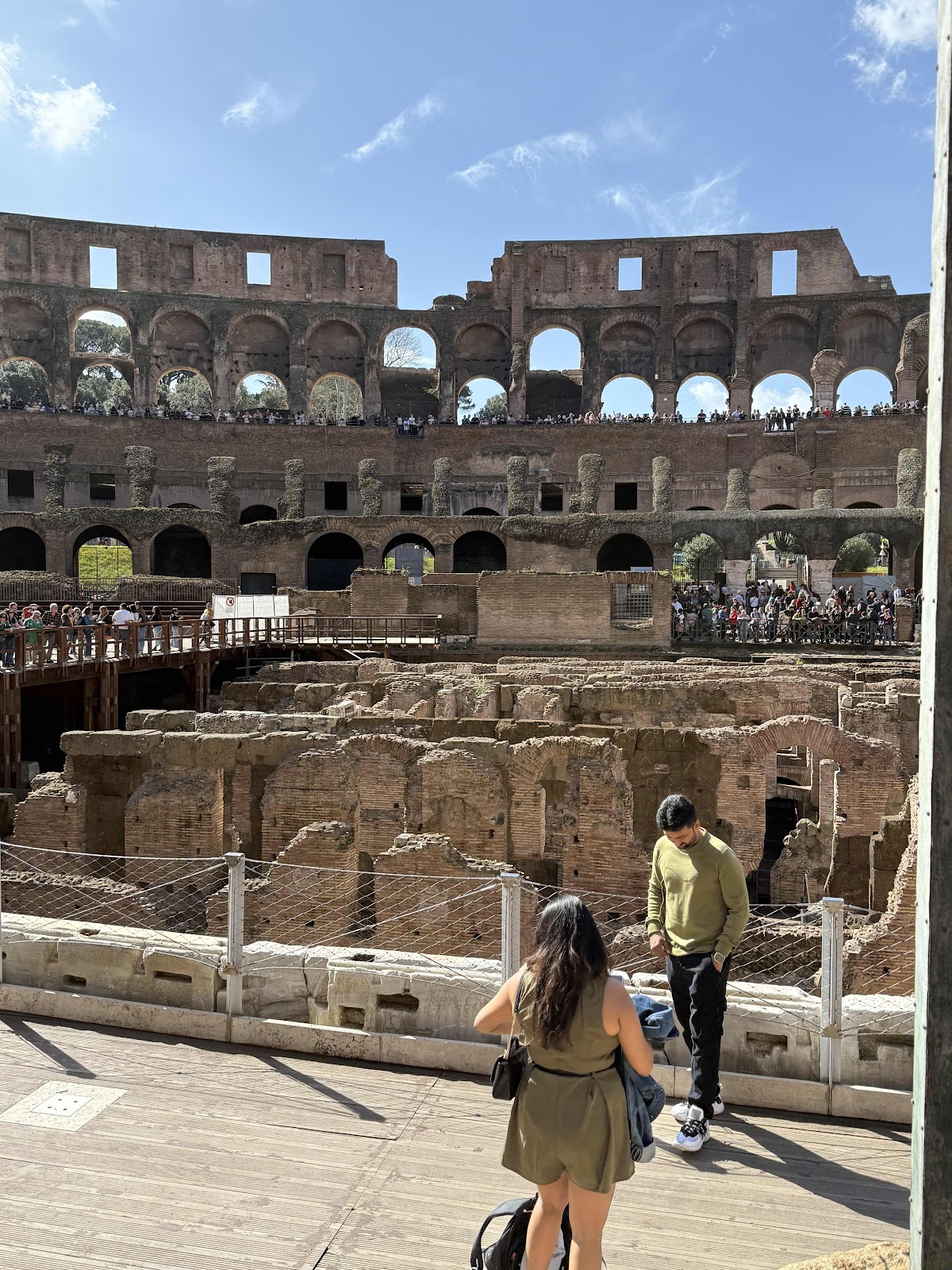
There were trapdoors and secret tunnels to help with the theatrics and move animals and fighters around. Beneath the arena floor lies a maze of tunnels, cages, and elevators operated by a pulley system. This is where gladiators, animals, and scenery were kept before being lifted dramatically into the arena. The wooden floor of the arena is gone, so today, you can look down into these underground passageways.
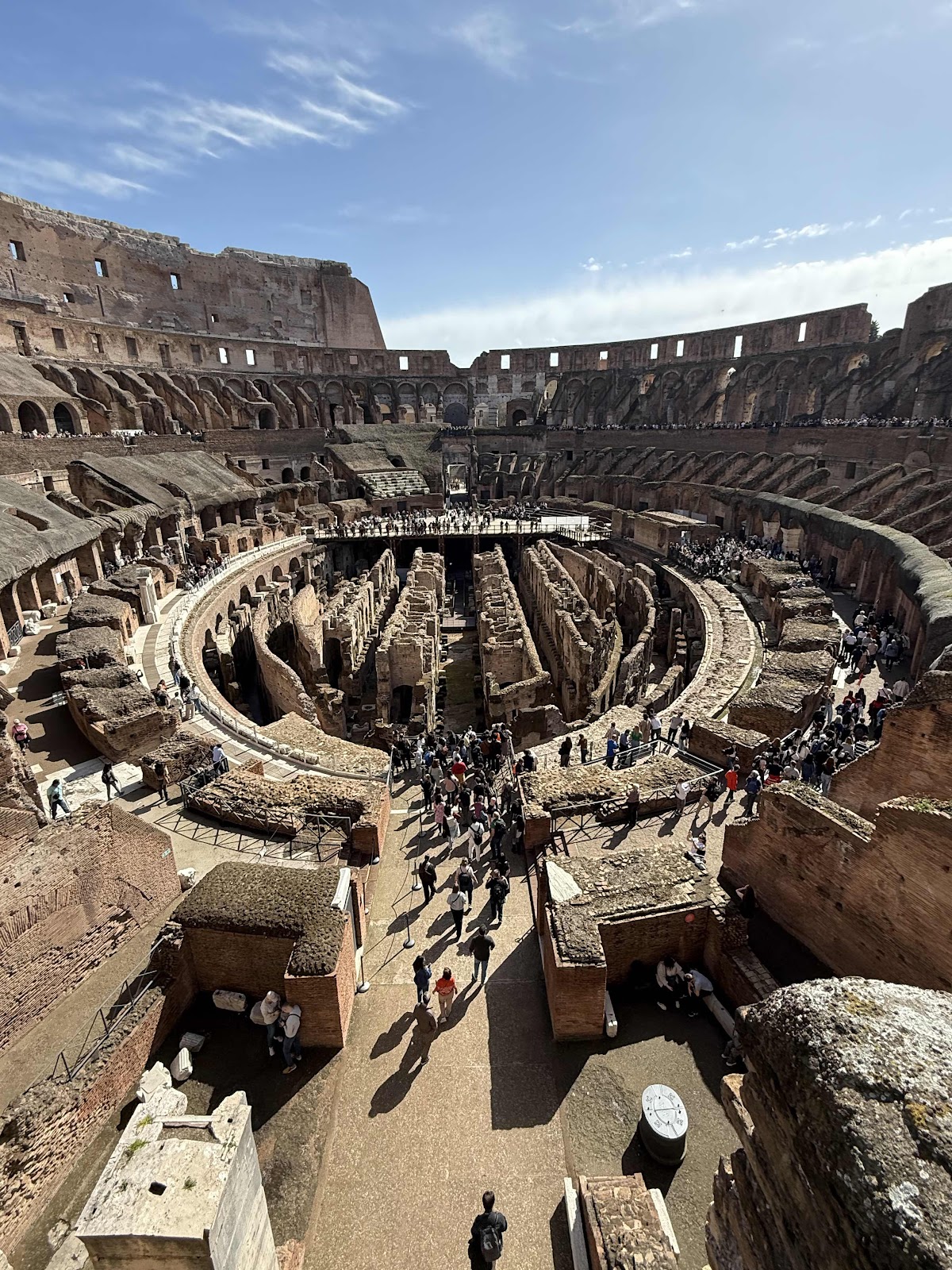
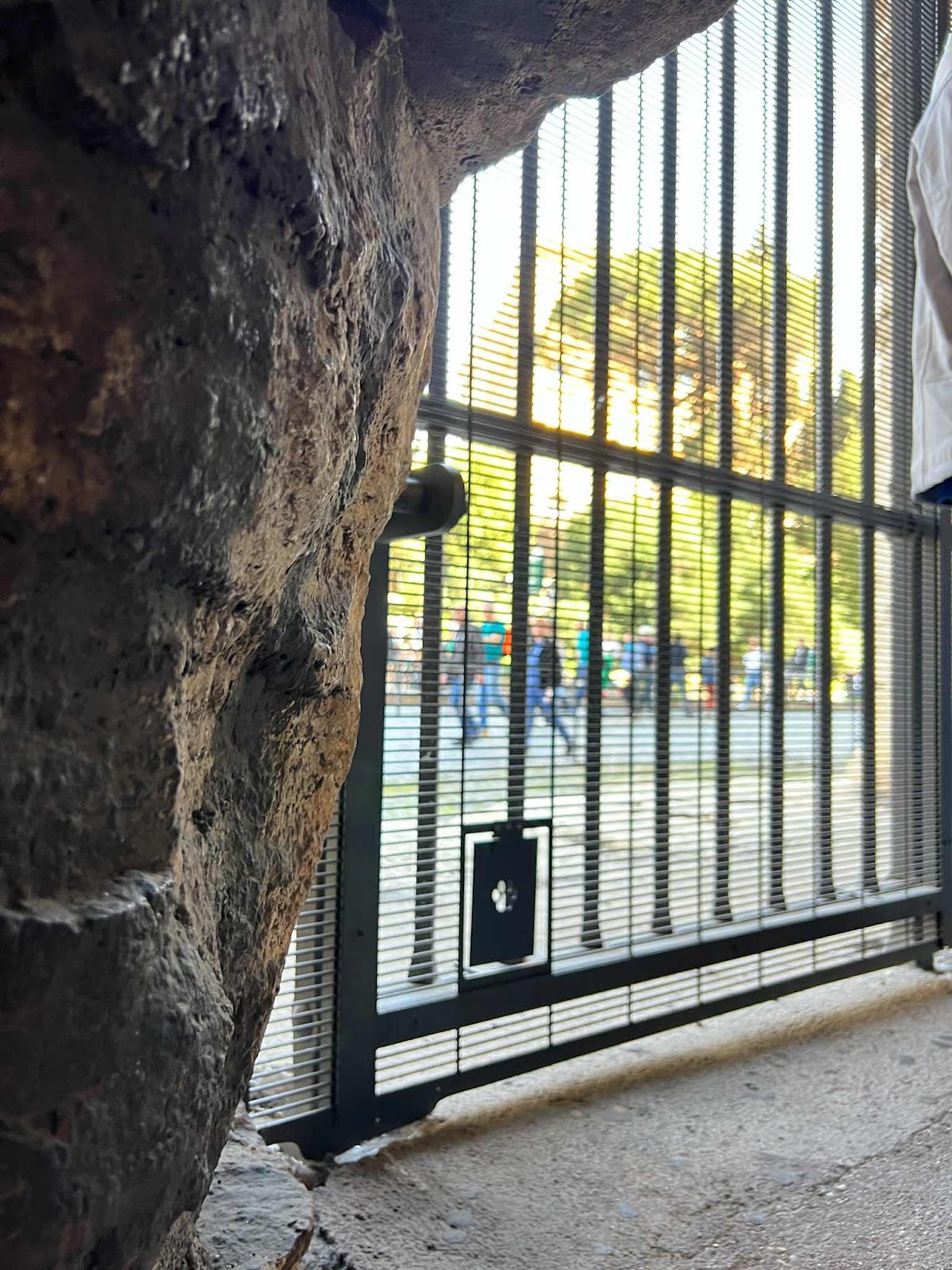
The arena used to be filled with lions but now there’s a lot of feral cats in the basement areas. Slaves were used to keep control of the lions.
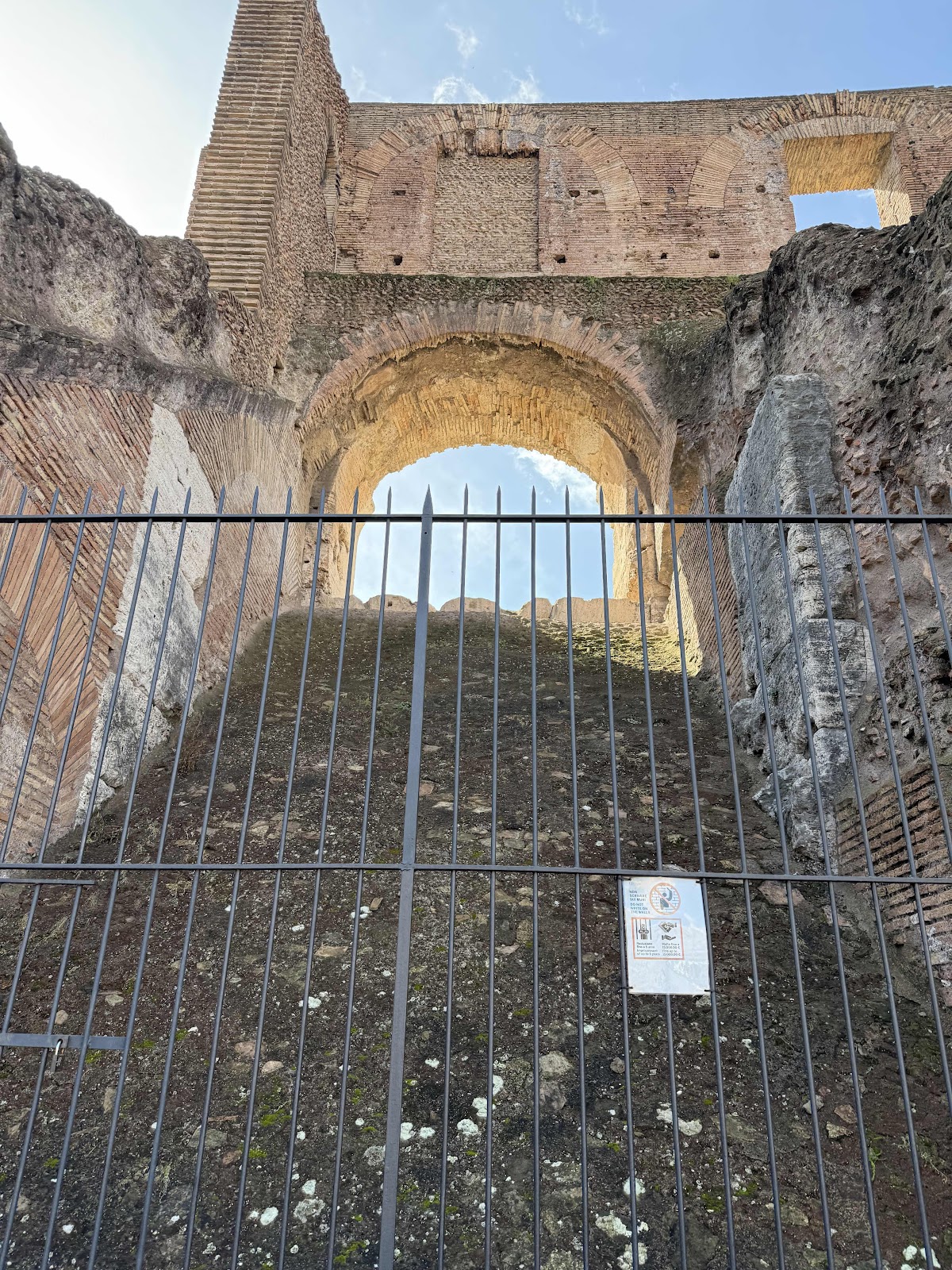
This gate even has a cat door in it!
The Colosseum once had a giant, fabric awning called the velarium, which covered the seating areas to provide shade. It was controlled by an intricate system of ropes and pulleys and operated by Roman sailors. Imagine thousands of feet of canvas stretched overhead, billowing in the wind! The word for canopy came from the Latin word for the material they used for these shaded areas.

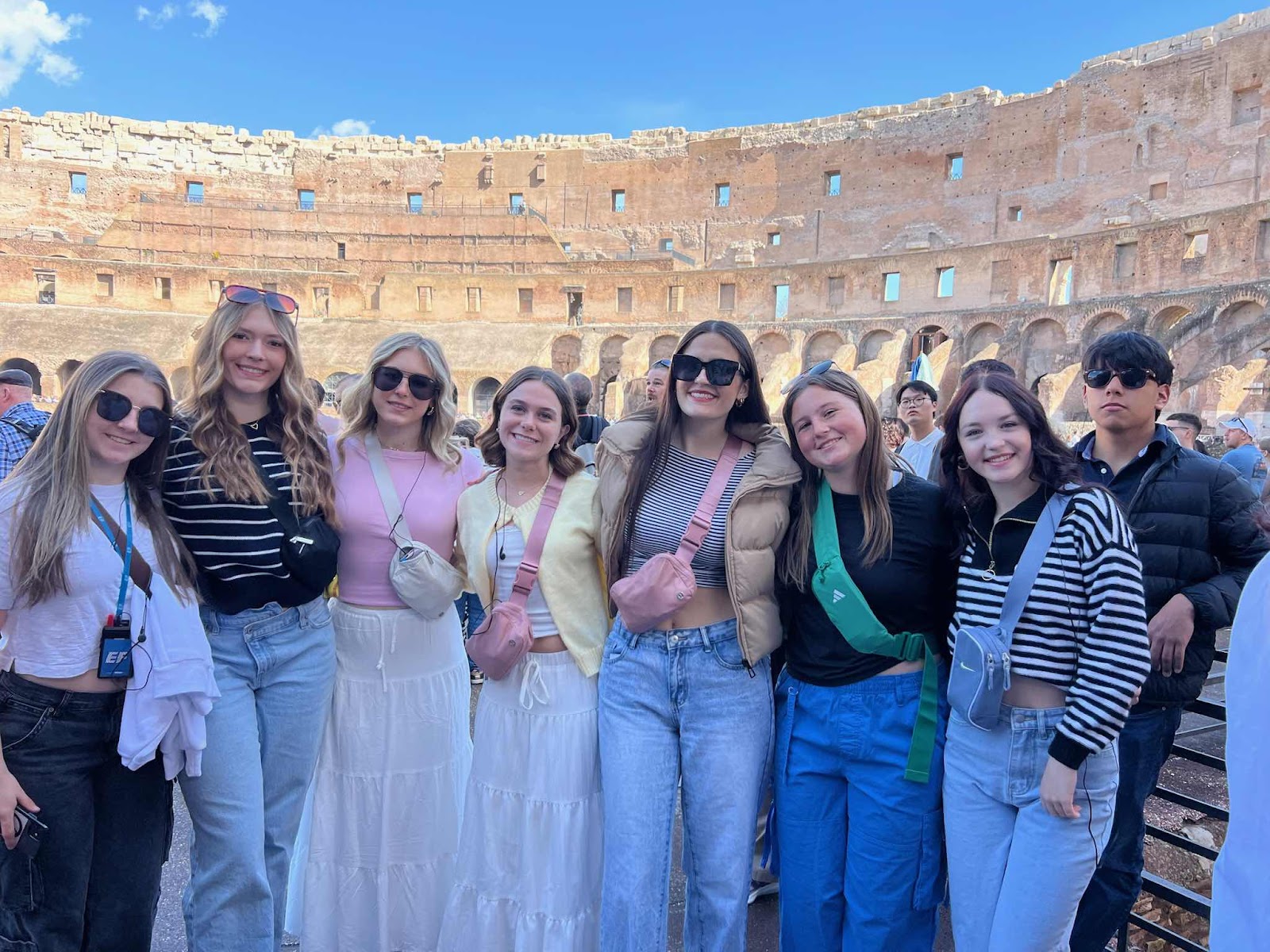

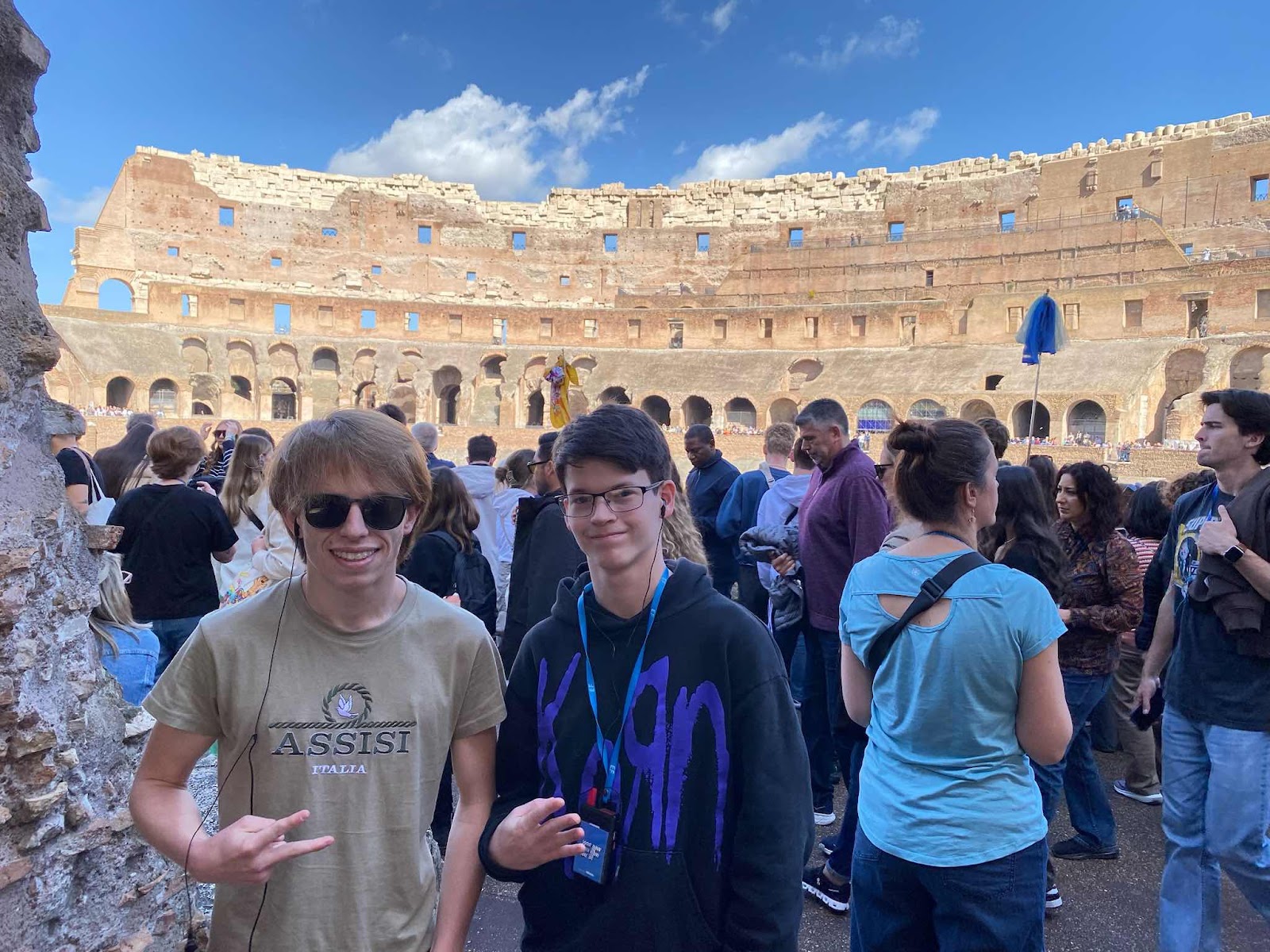
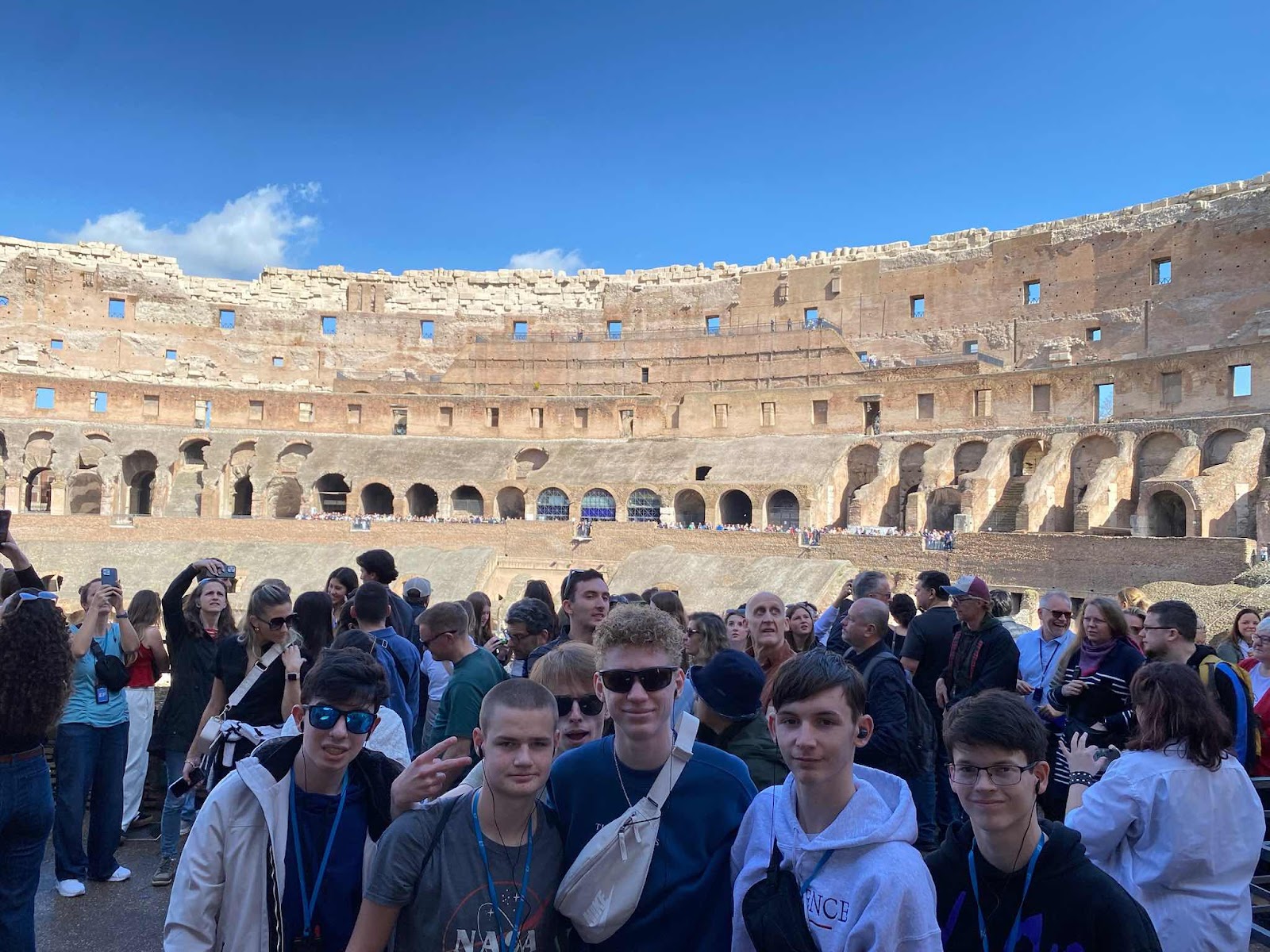
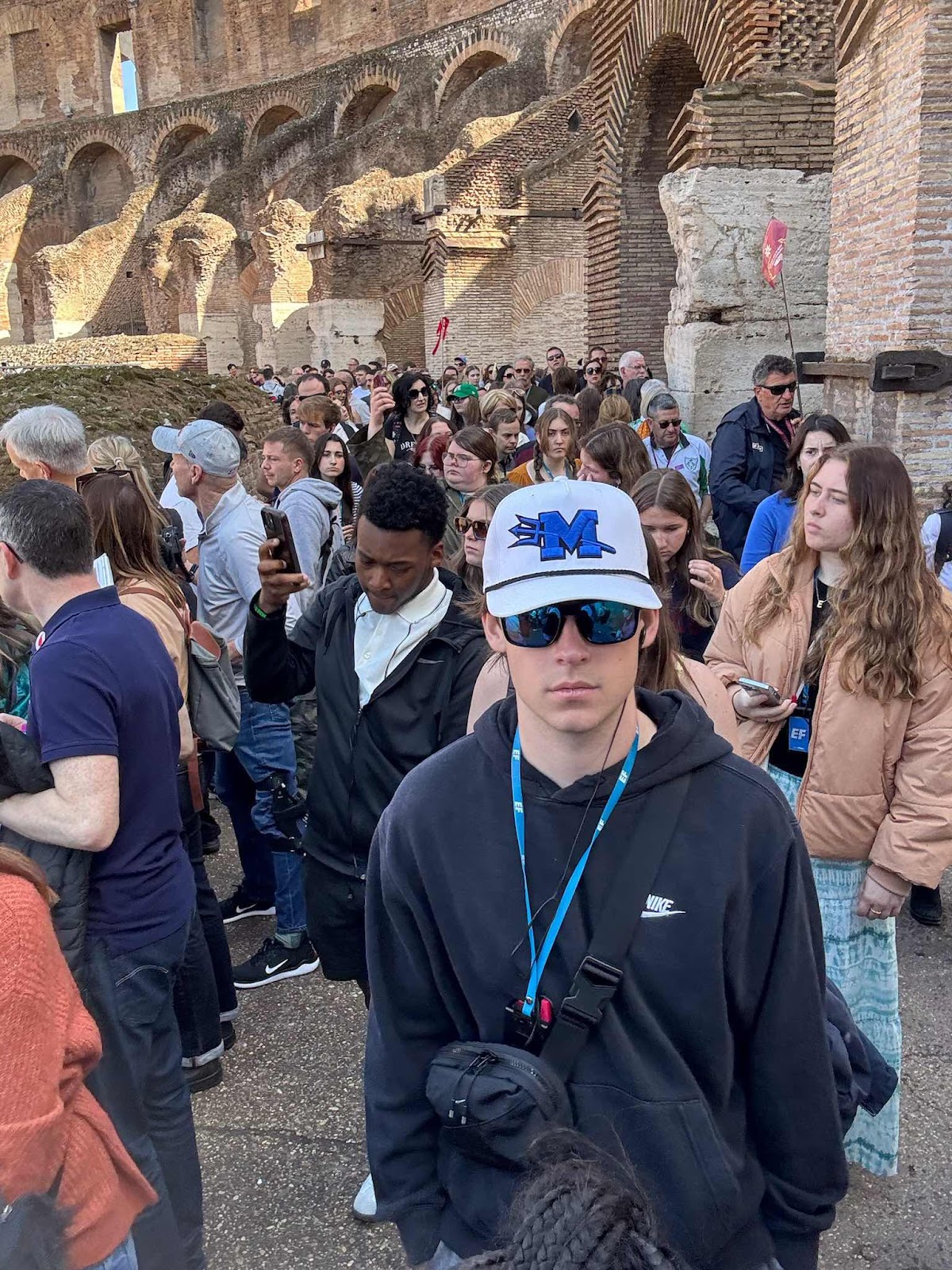


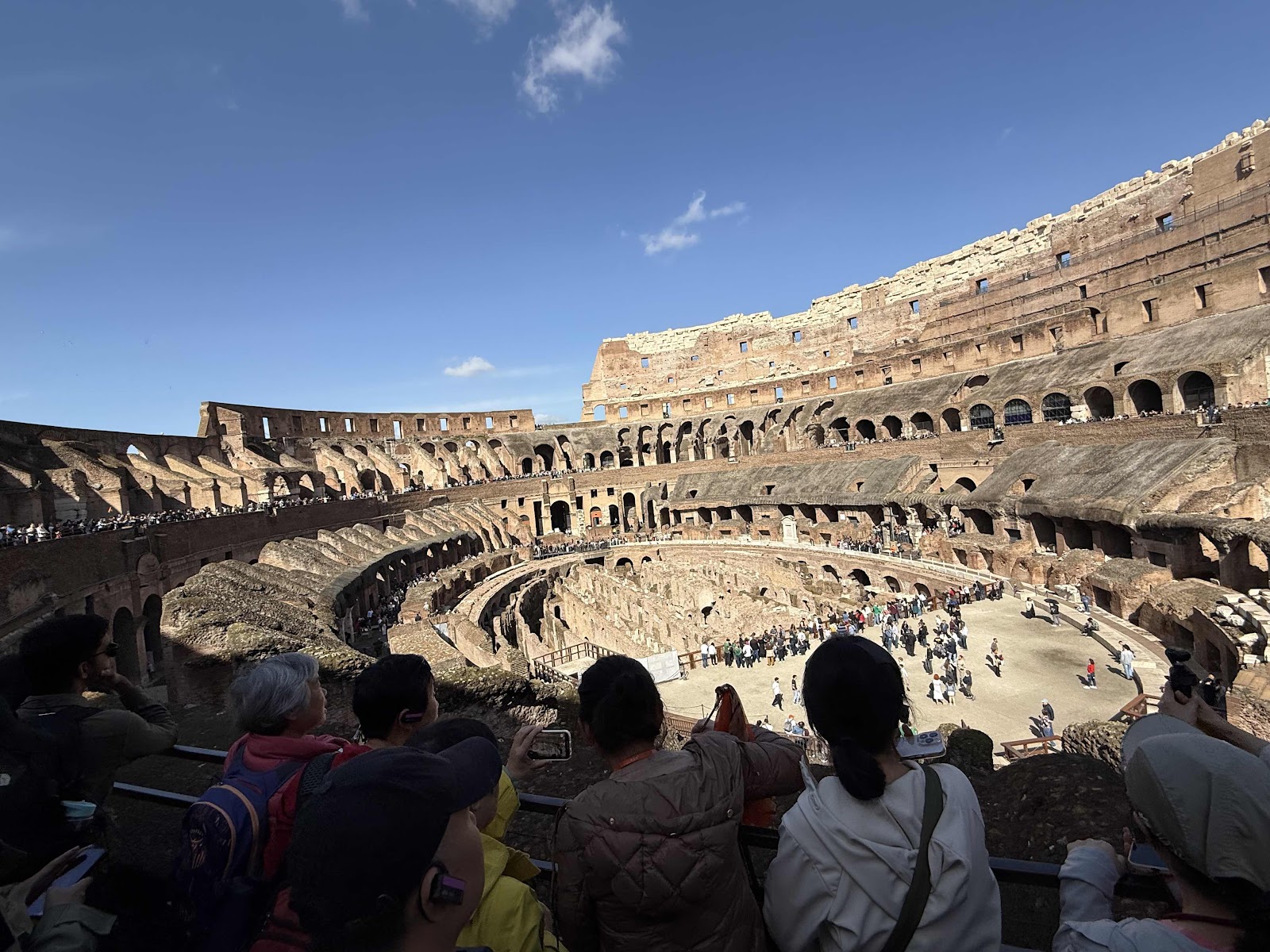
Over time, the Colosseum fell into disrepair. In the Middle Ages, it was used as a fortress, and later, as a quarry—many of its stones were taken to build St. Peter’s Basilica and other landmarks in Rome. Earthquakes and time took their toll.
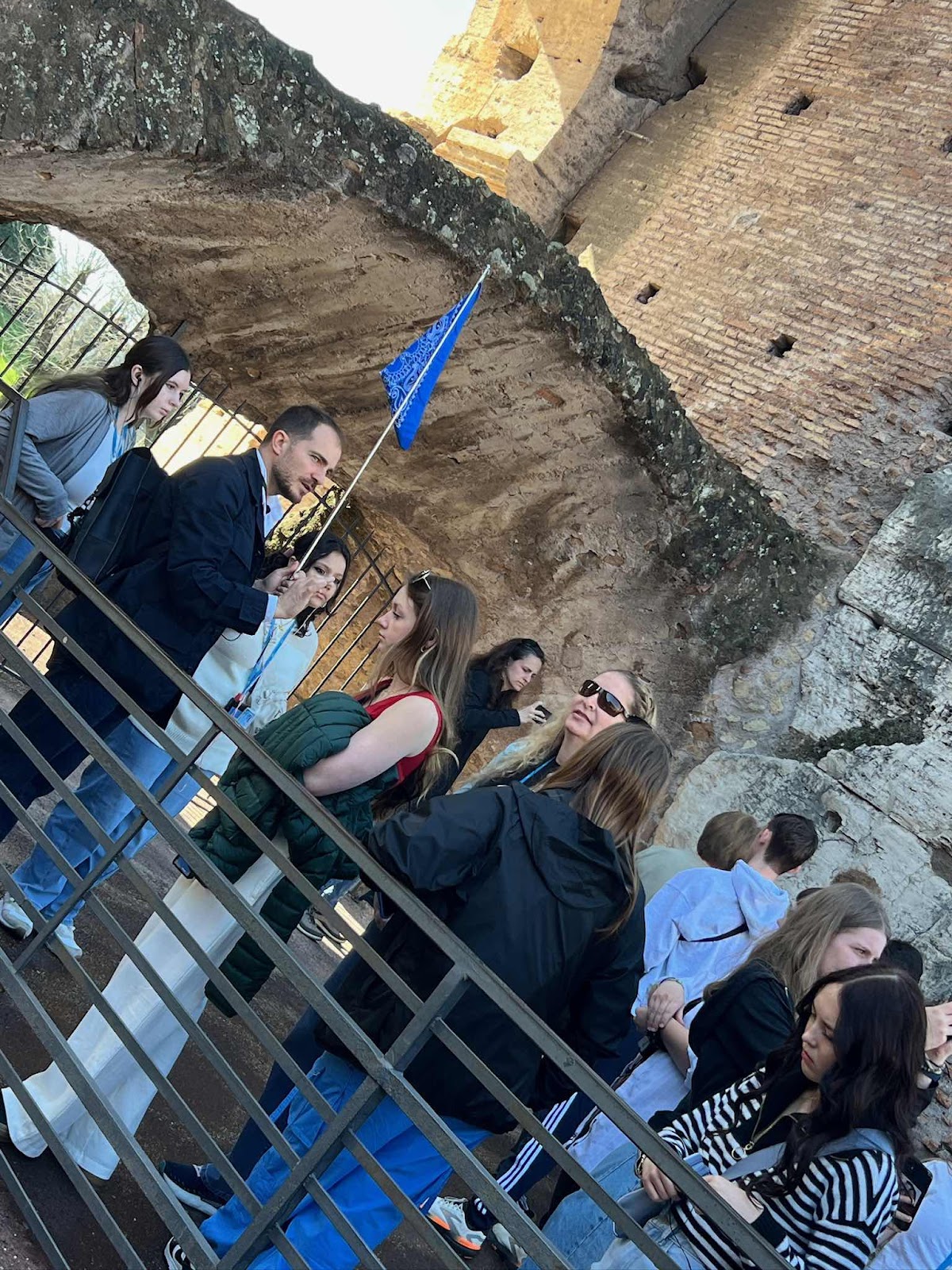
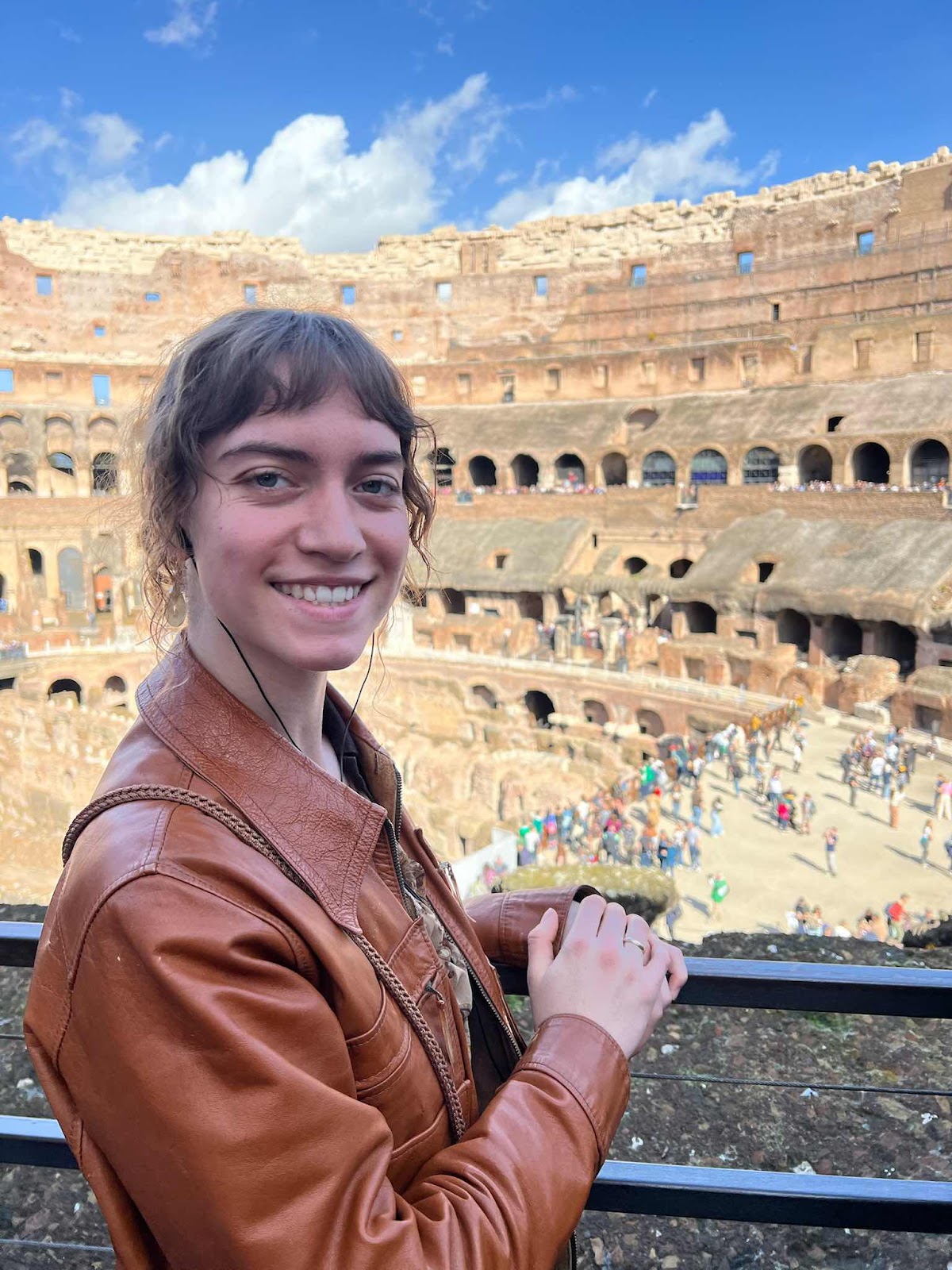
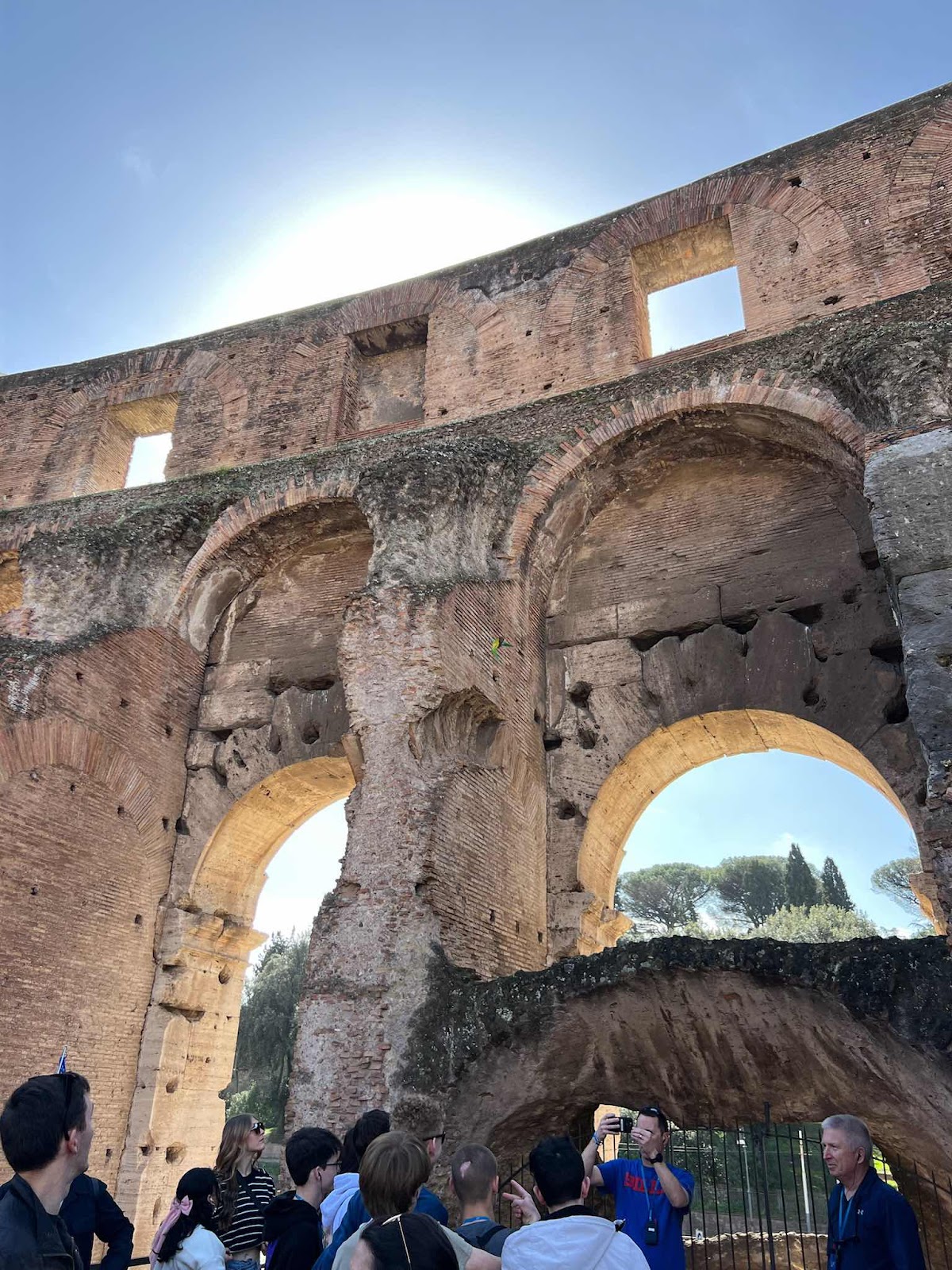
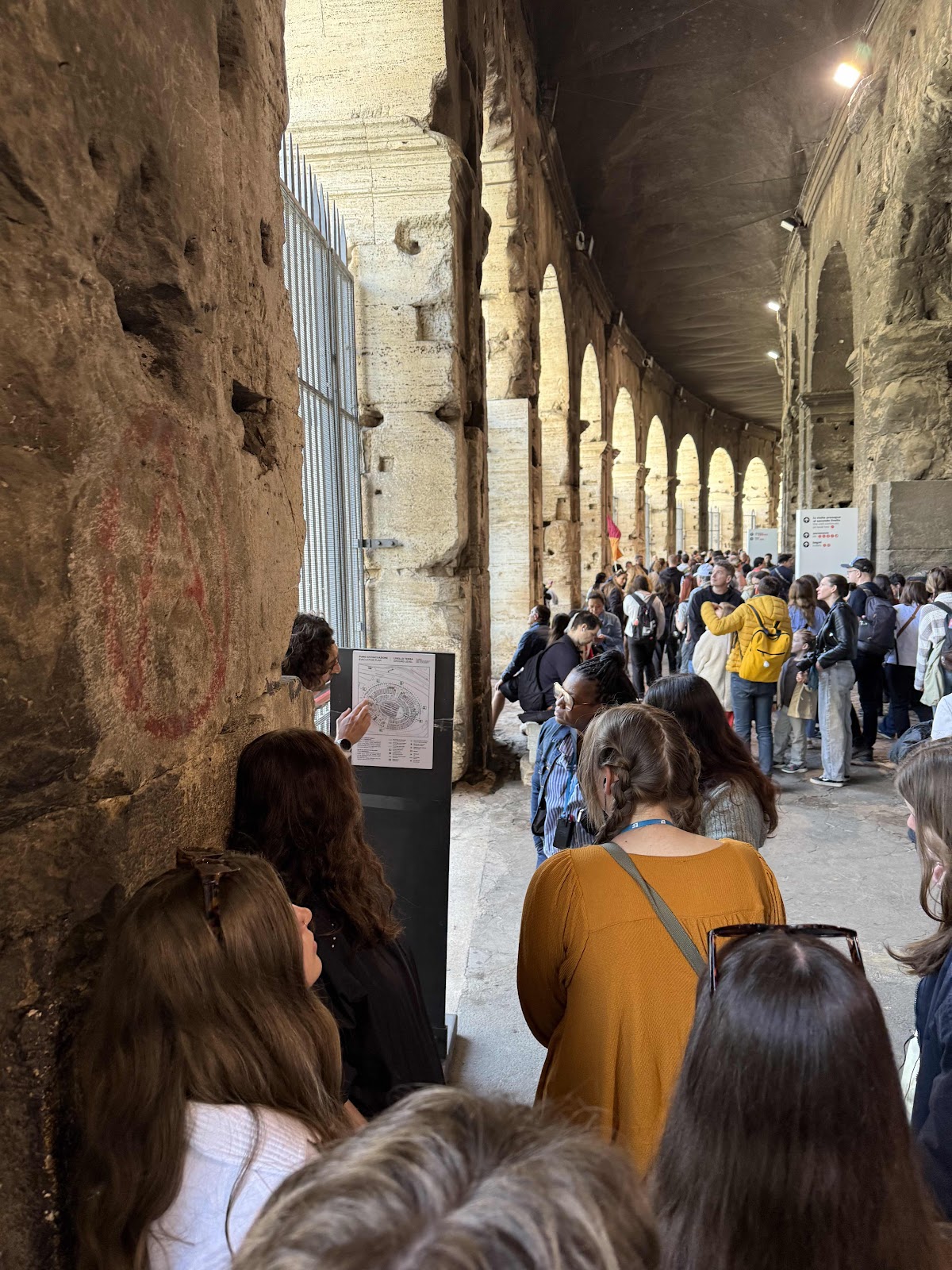
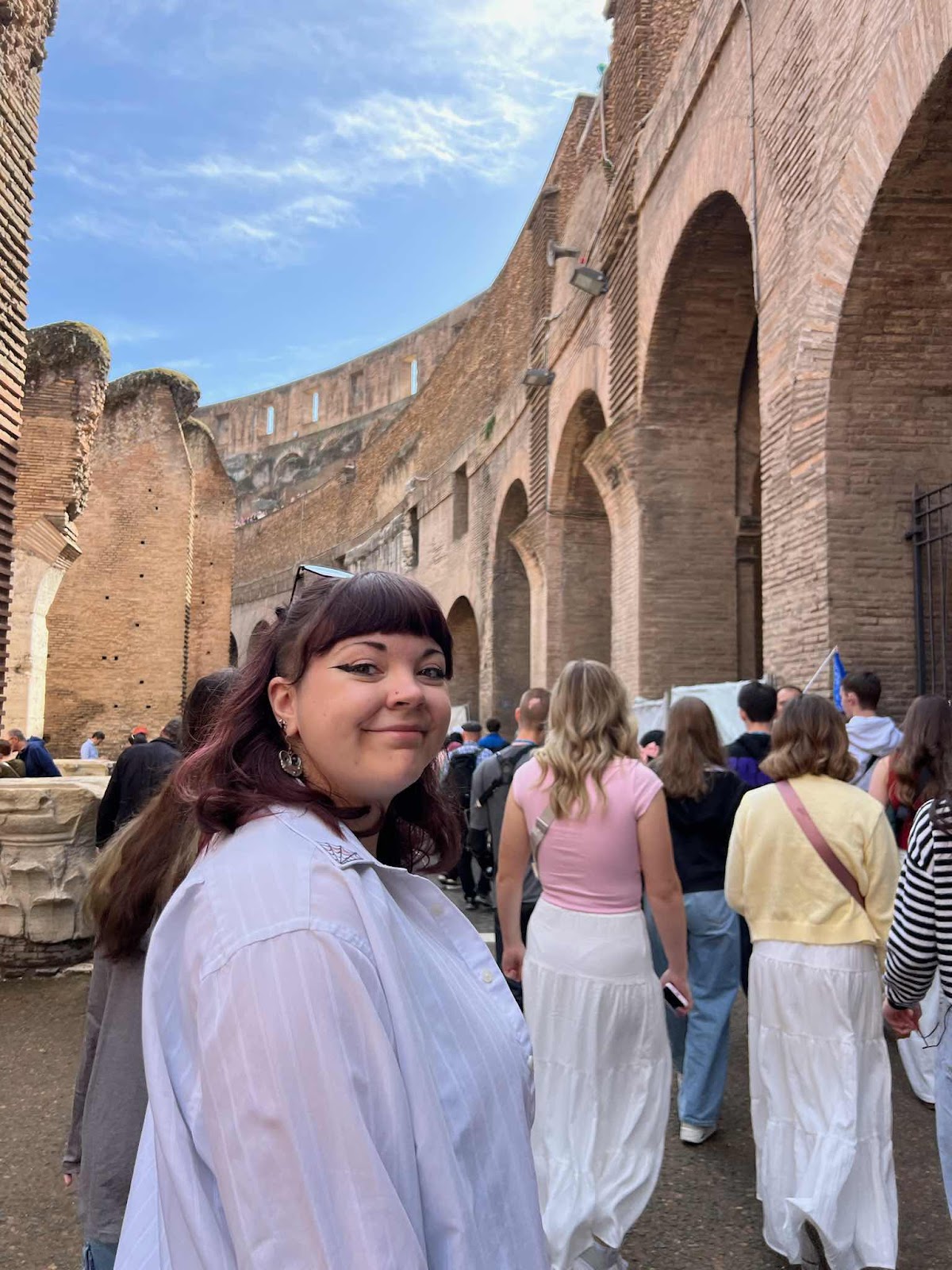
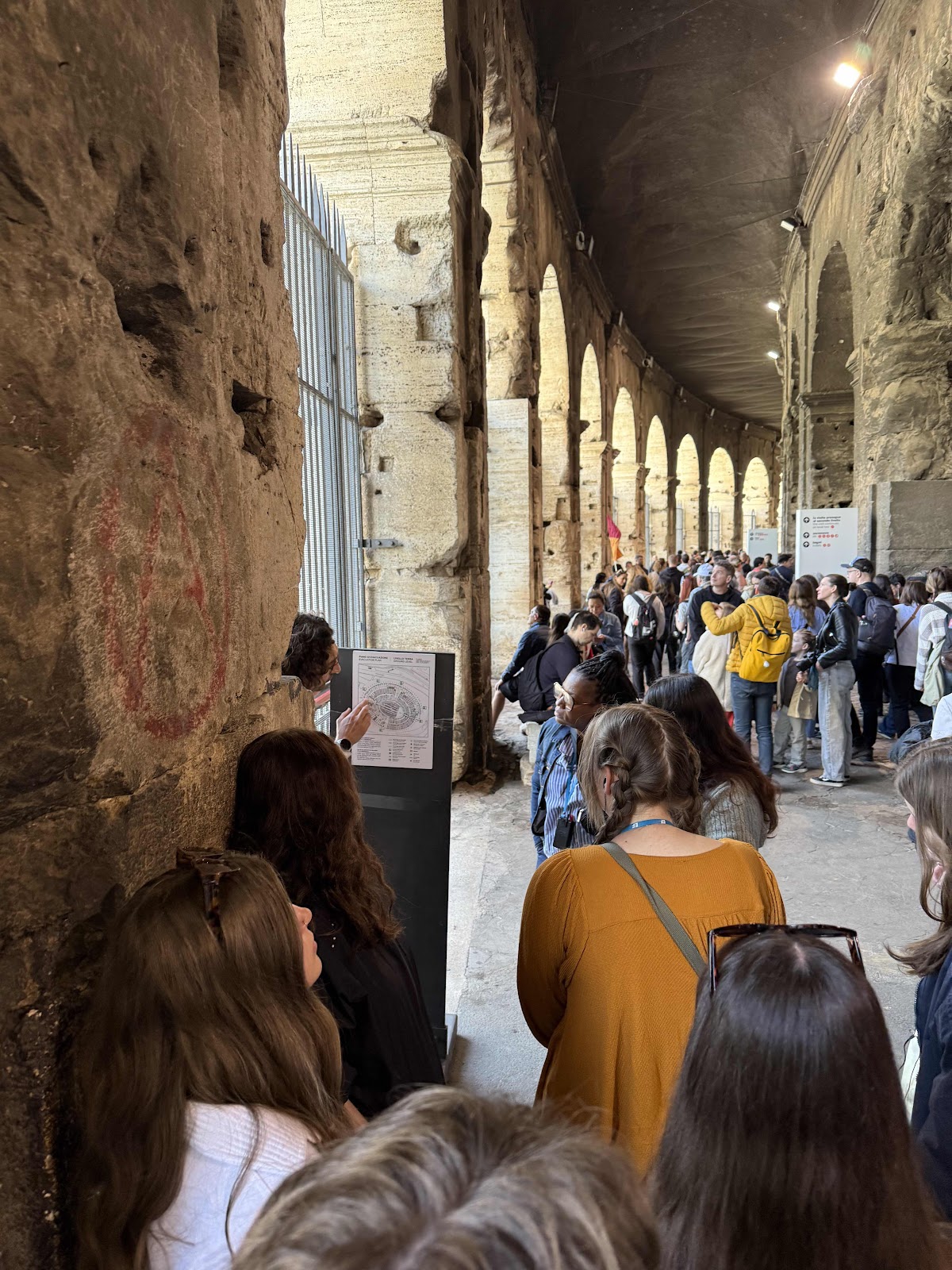
Three inner circles of arches looks like a modern day sports concourse. It was very efficient to get people in with lots of stops to show and verify our tickets.
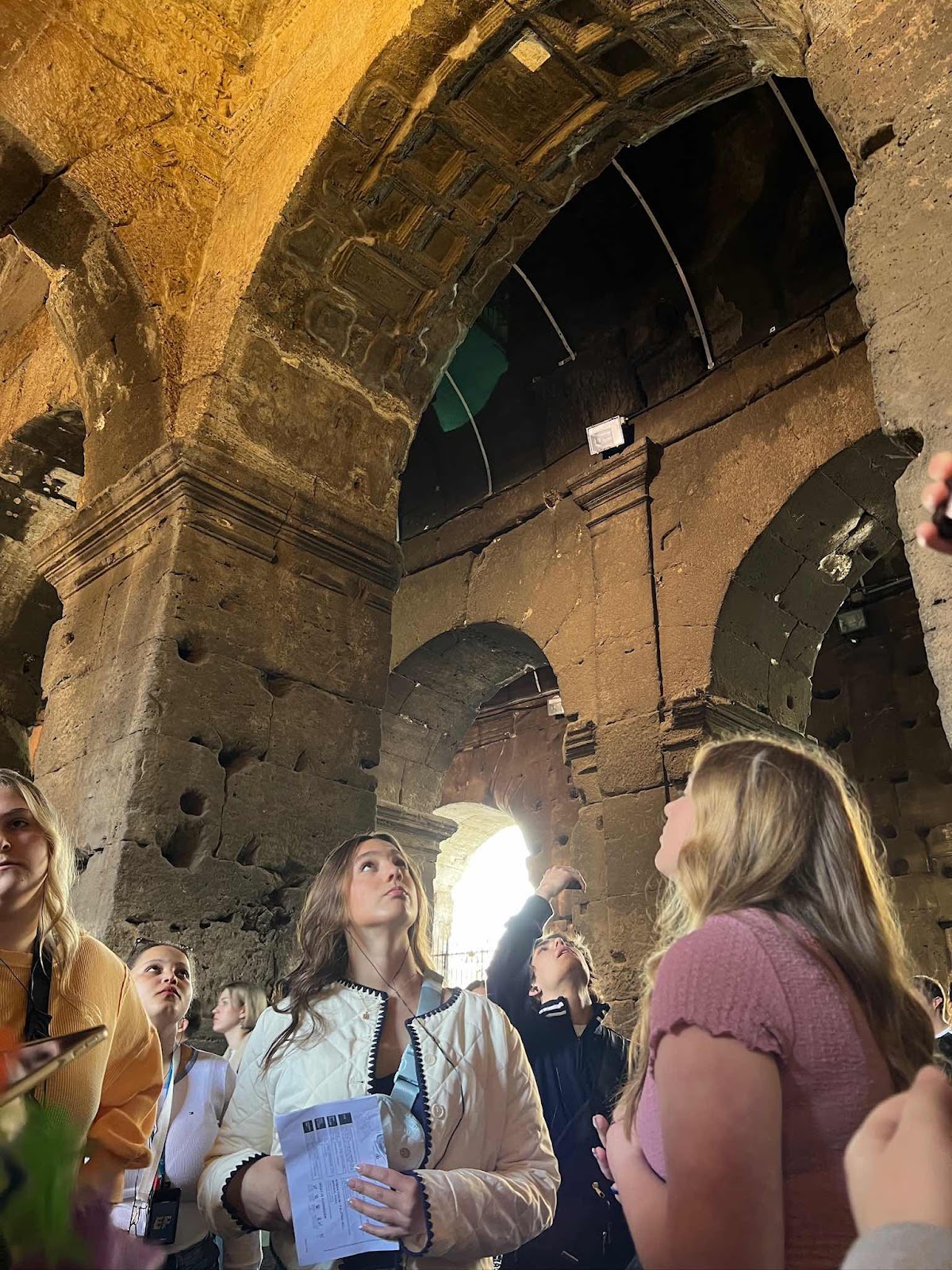
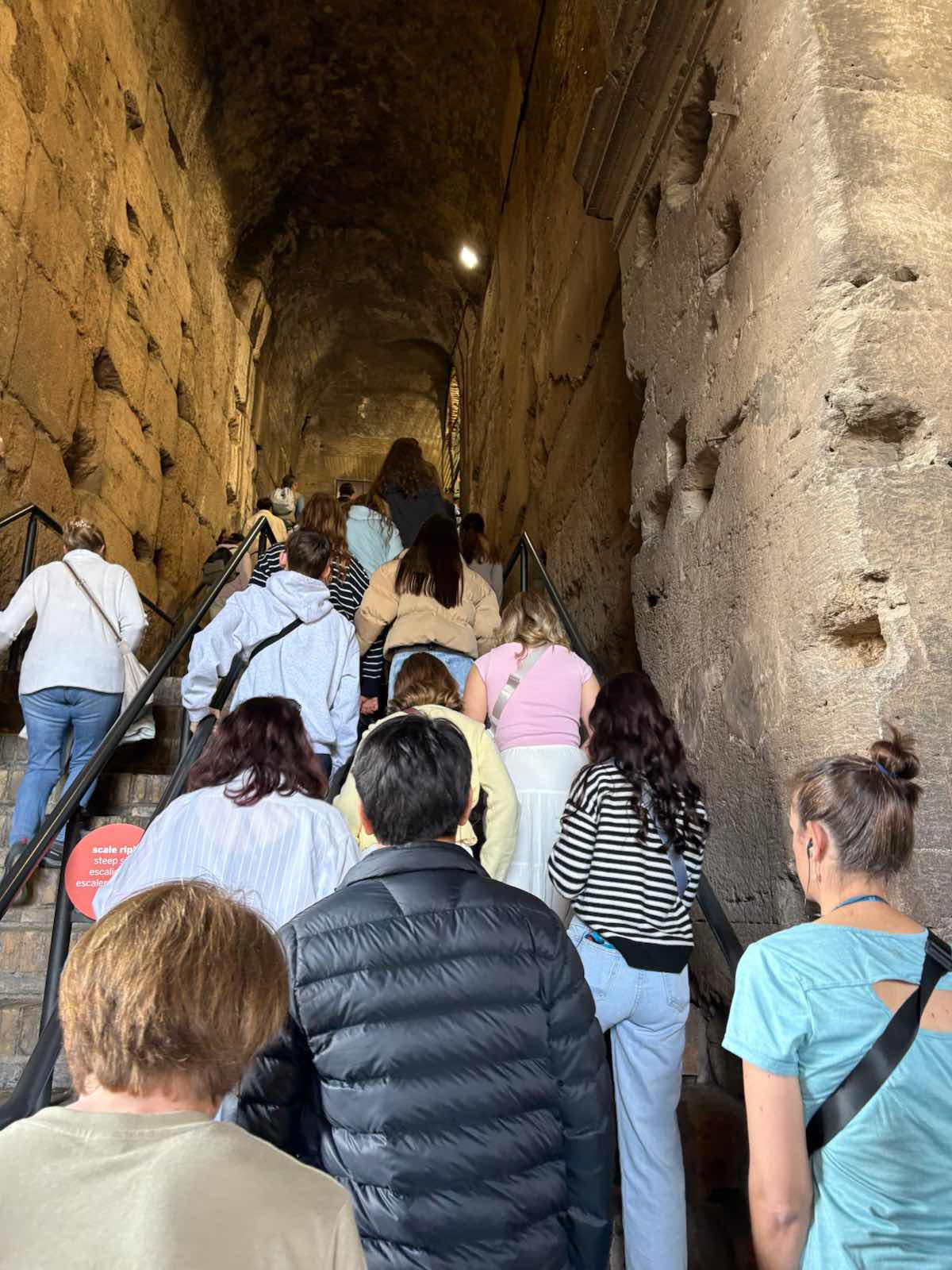
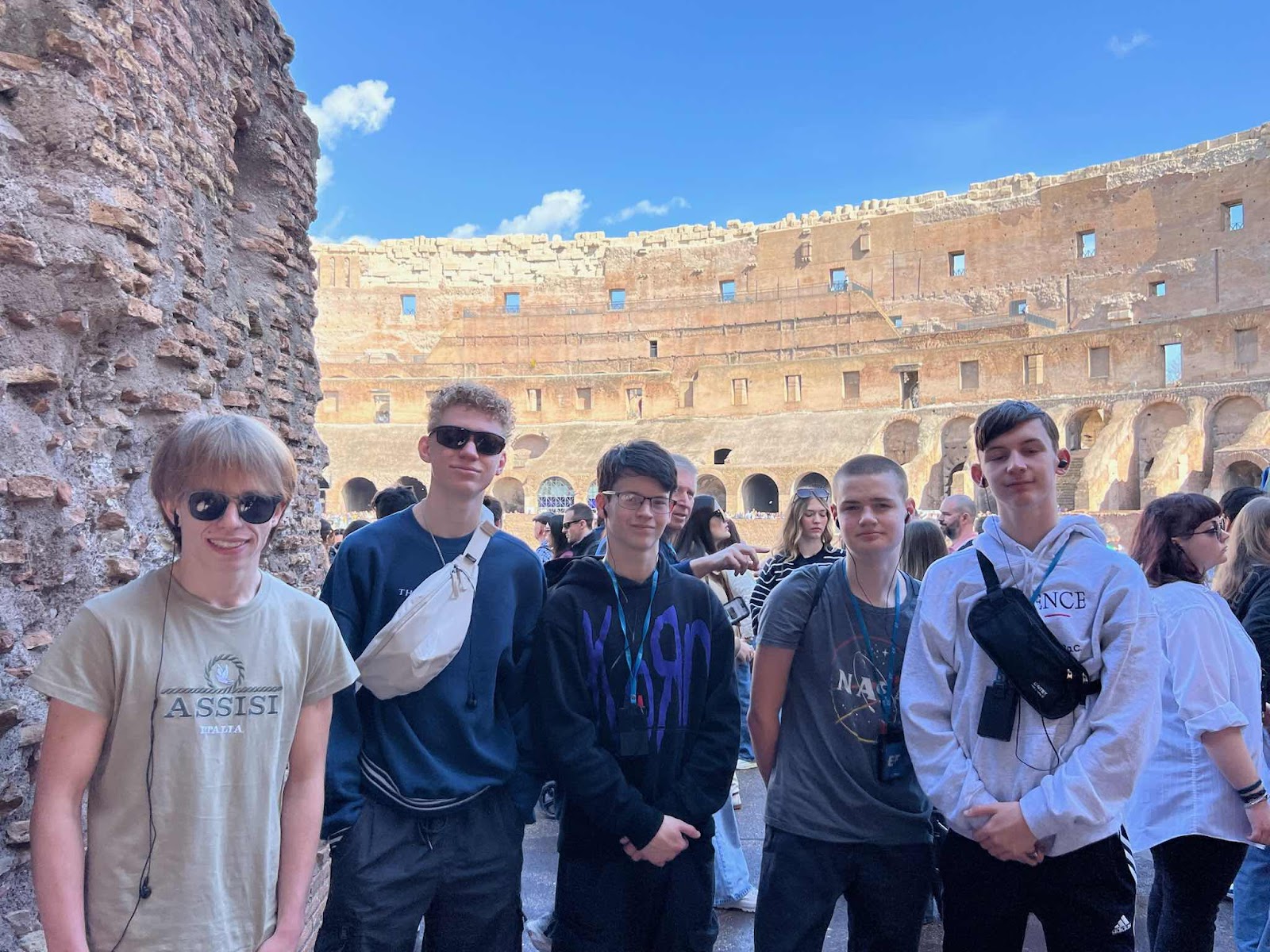
We have probably hundred of photos from the various groups here so I will post them in the Facebook group in an album

No comments:
Post a Comment