
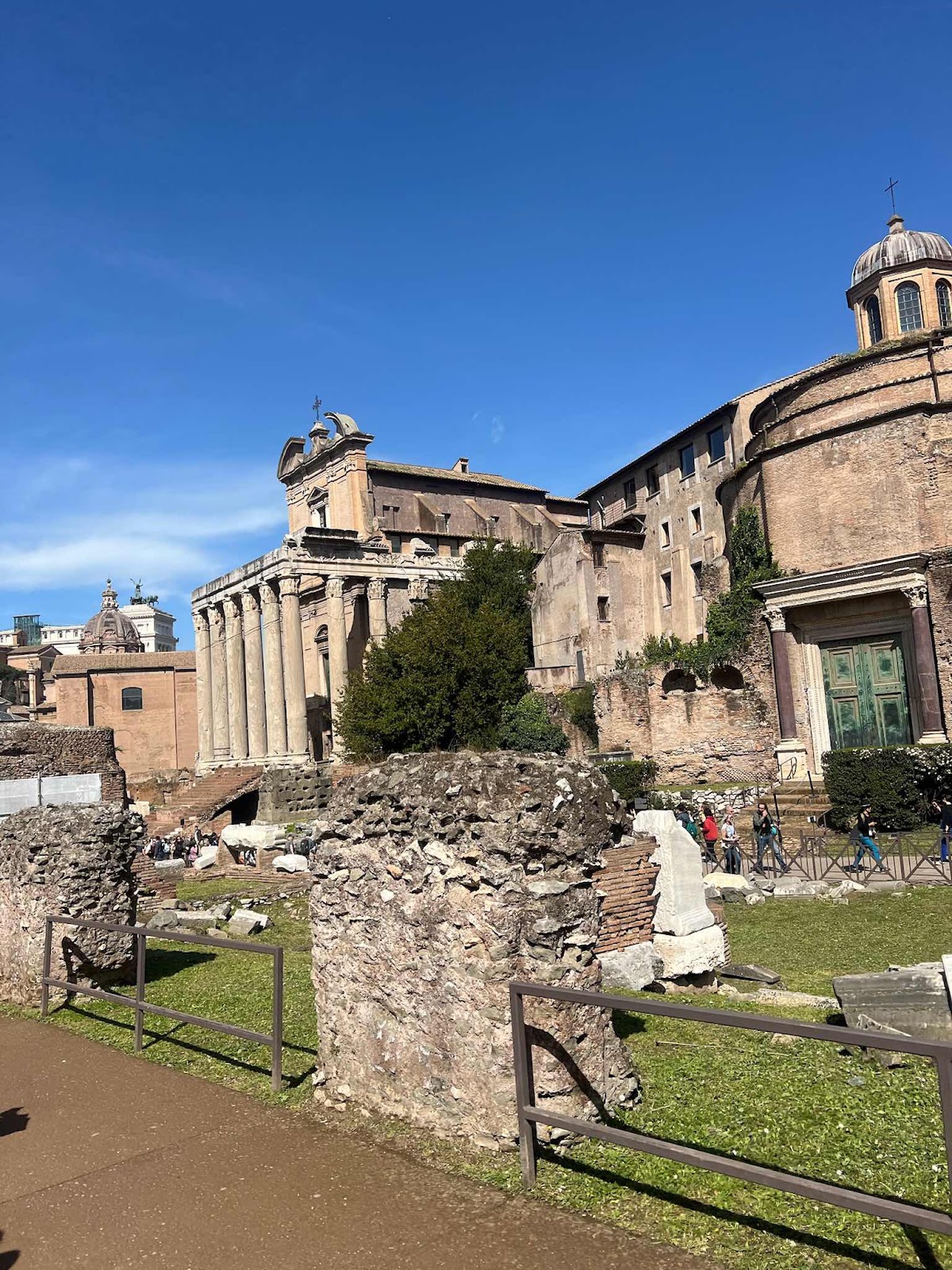
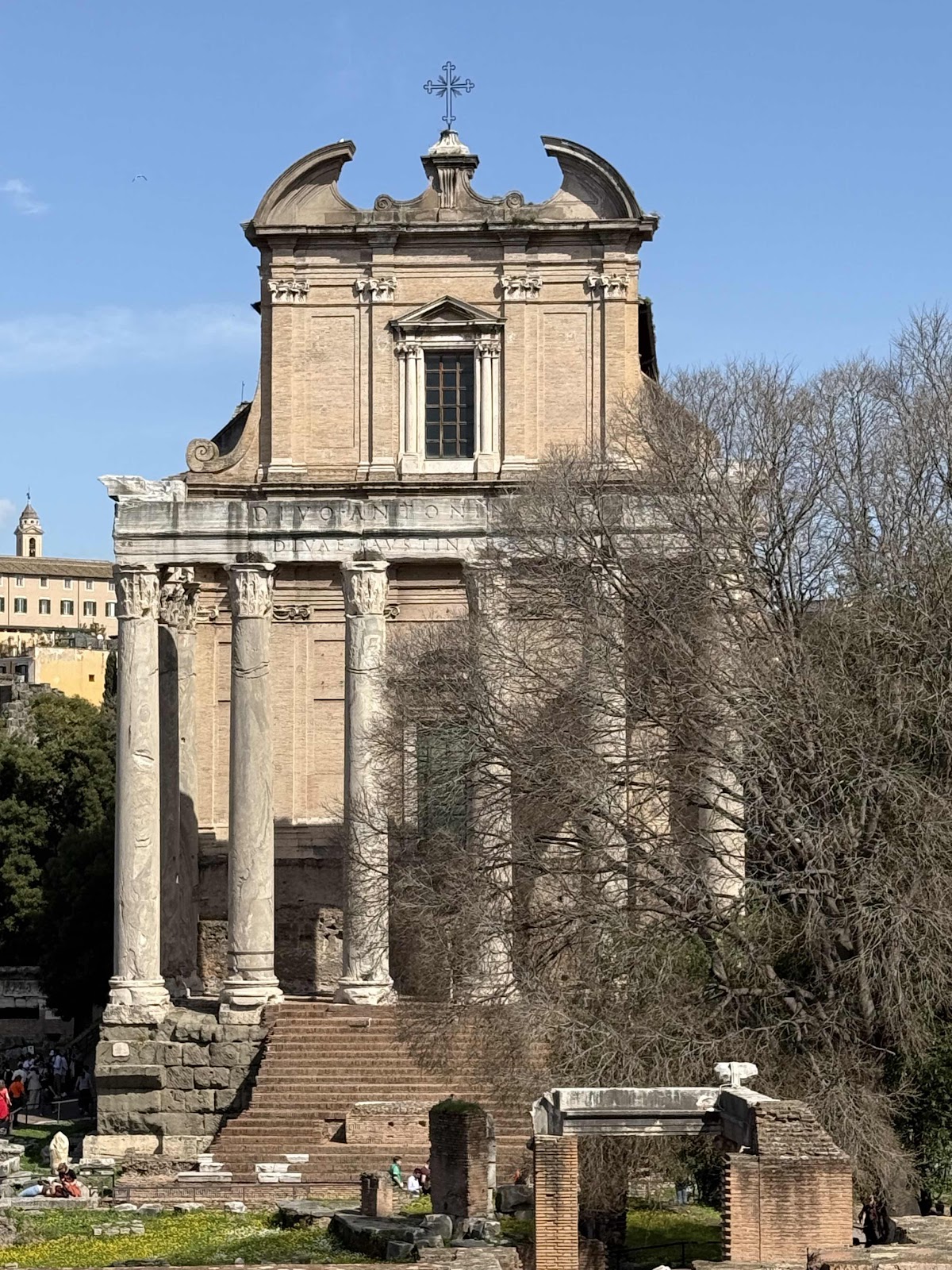
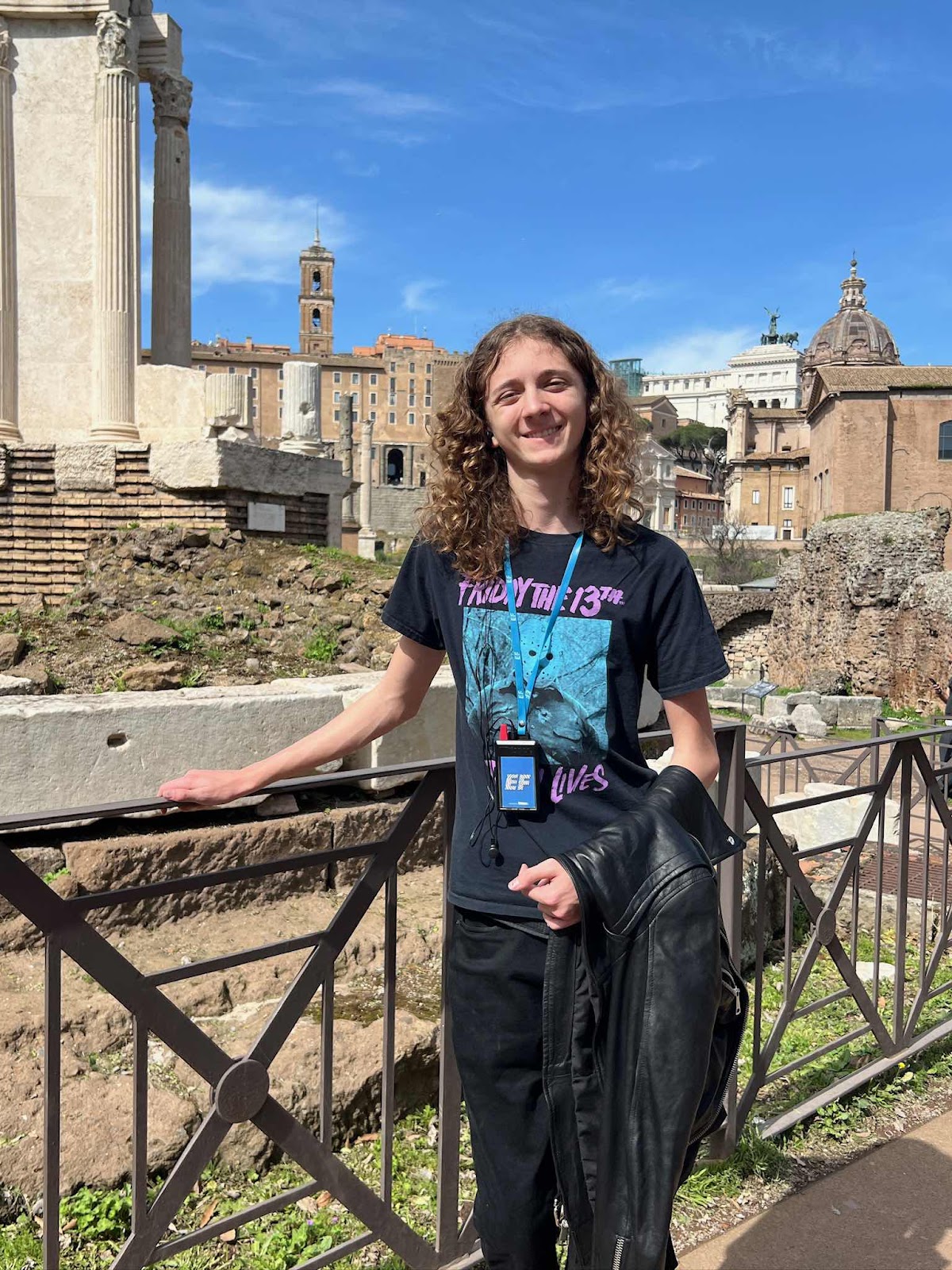
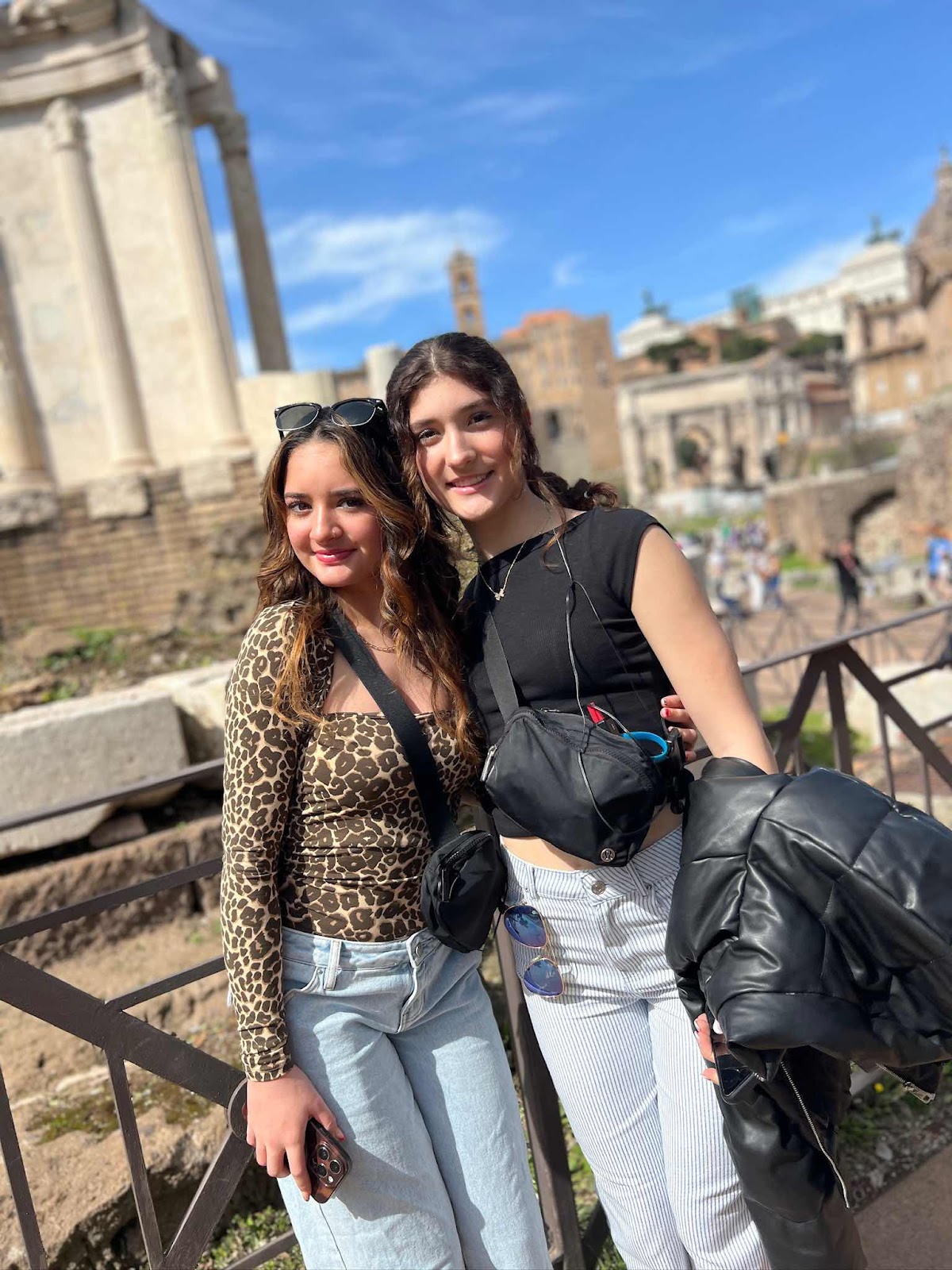
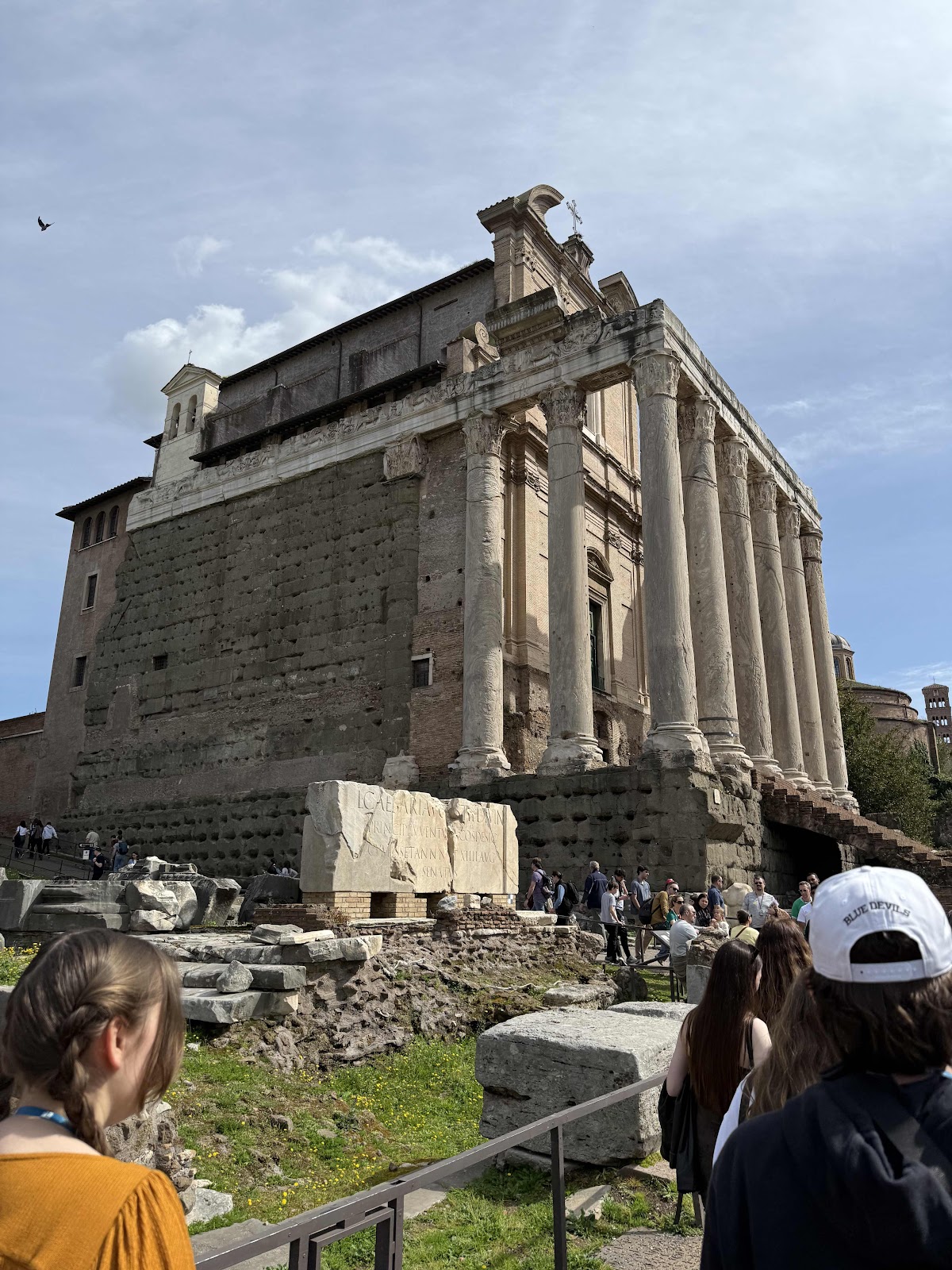
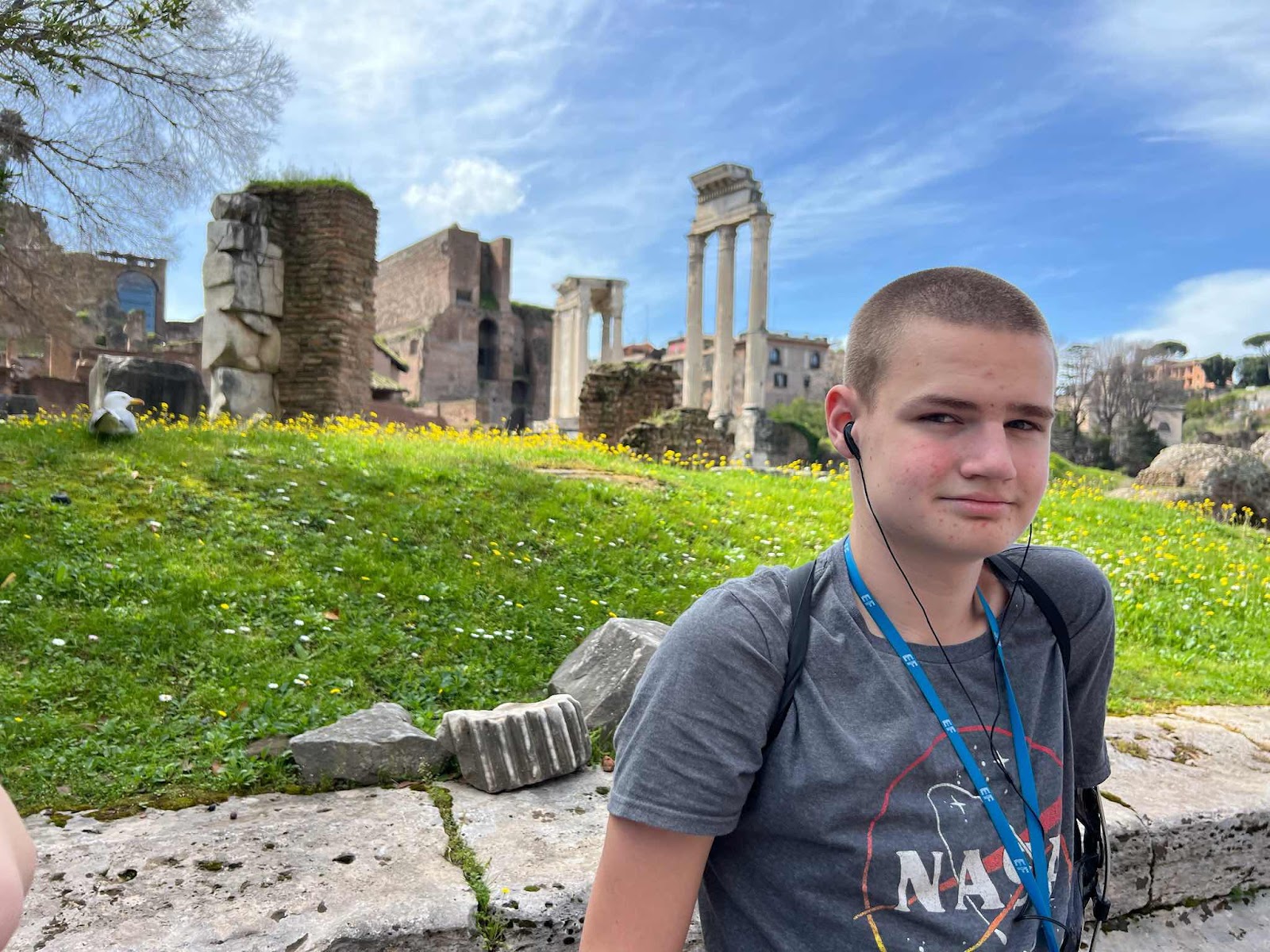
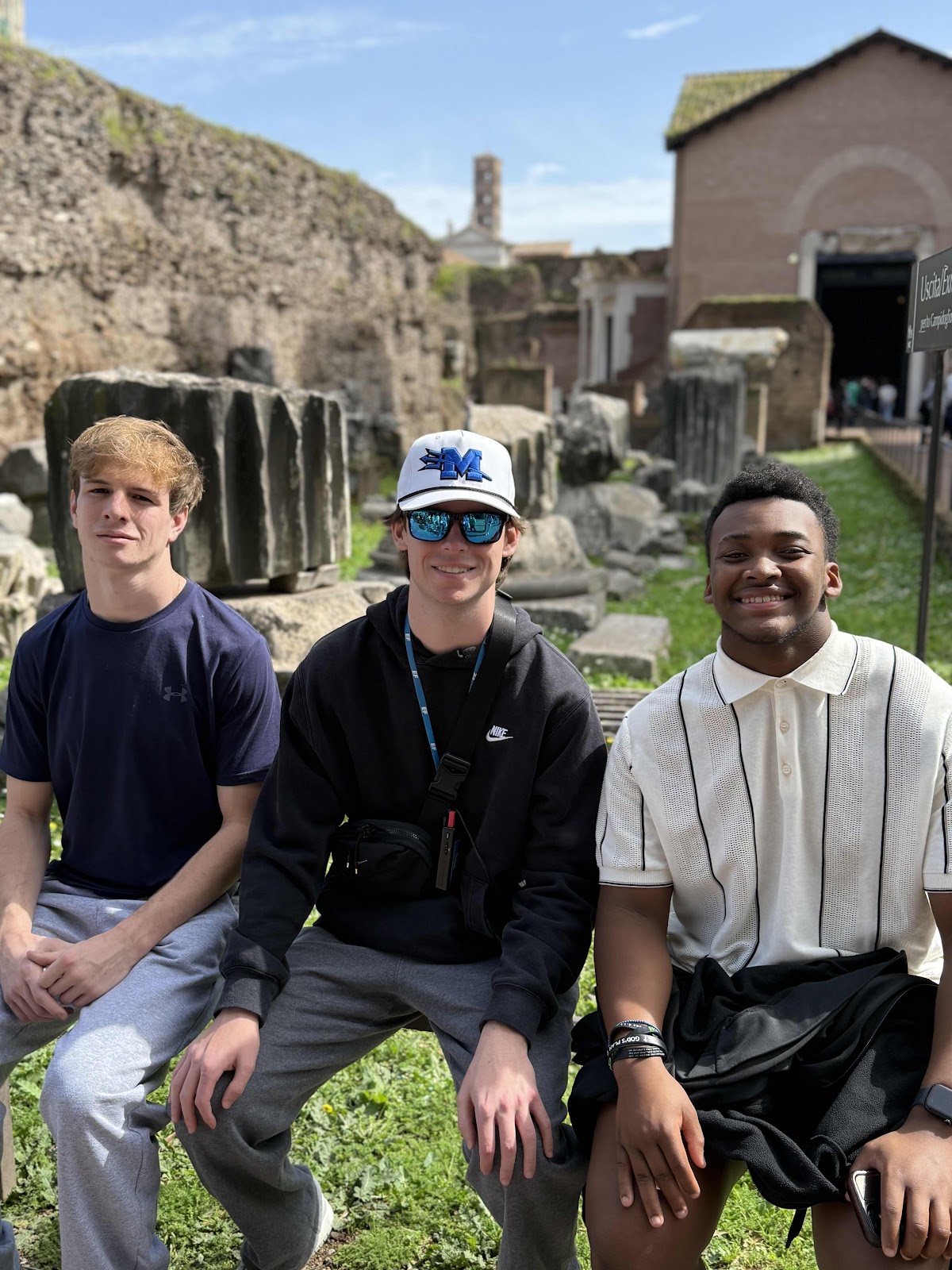
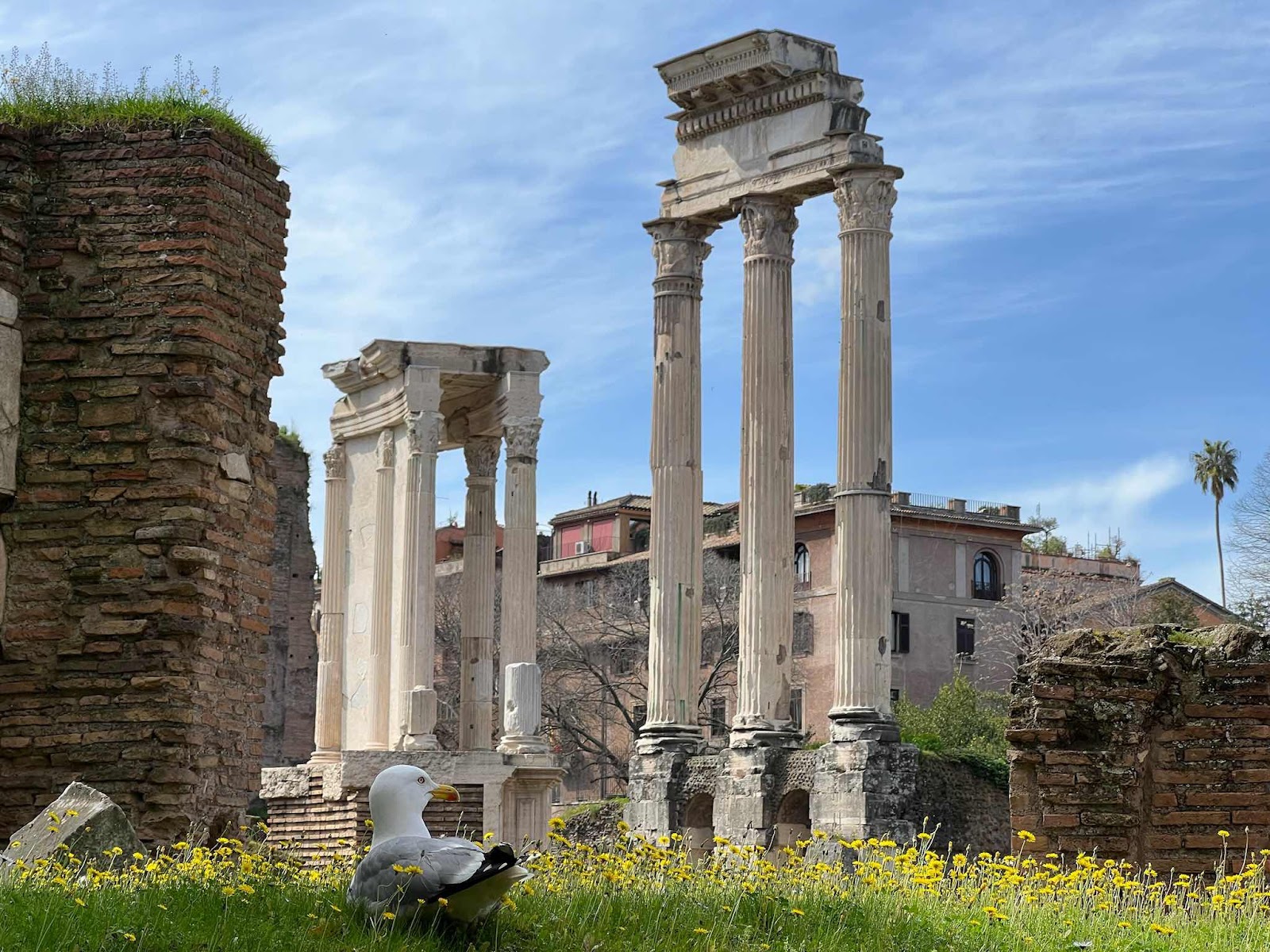
Right next to the Colosseum, the Roman Forum was the center of political, religious, and social life in ancient Rome. Walking through it, we saw ruins of temples, government buildings, and public squares where Romans gathered daily.
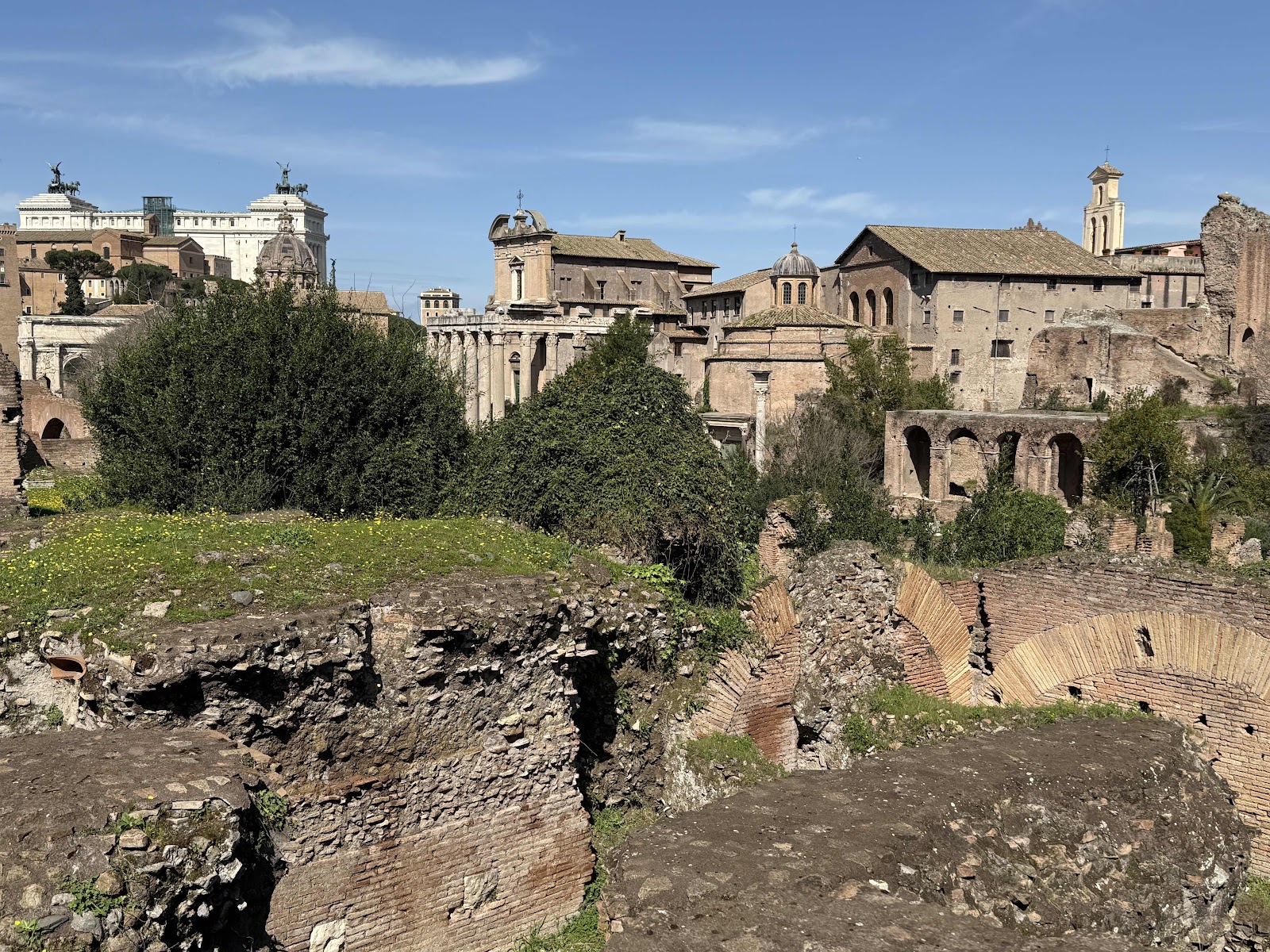
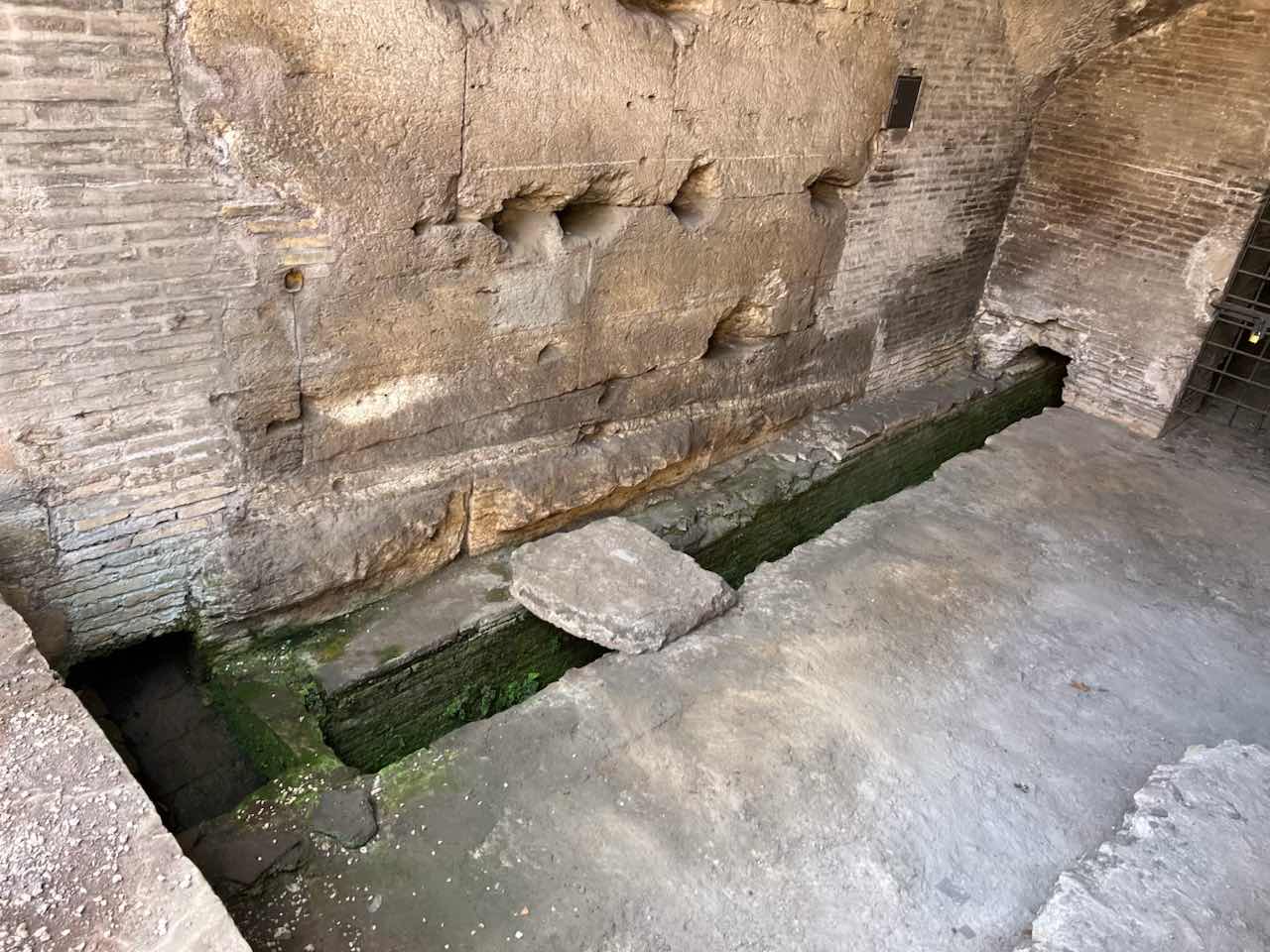
This area used to be a swamp. The Romans built a huge drainage system (the Cloaca Maxima) to make it usable. Parts of that system still work today! We even spotted a urinal! It had a continuous flow of water coming from the bottom left, and flushed directly out of the building into the city’s sewage pipes.
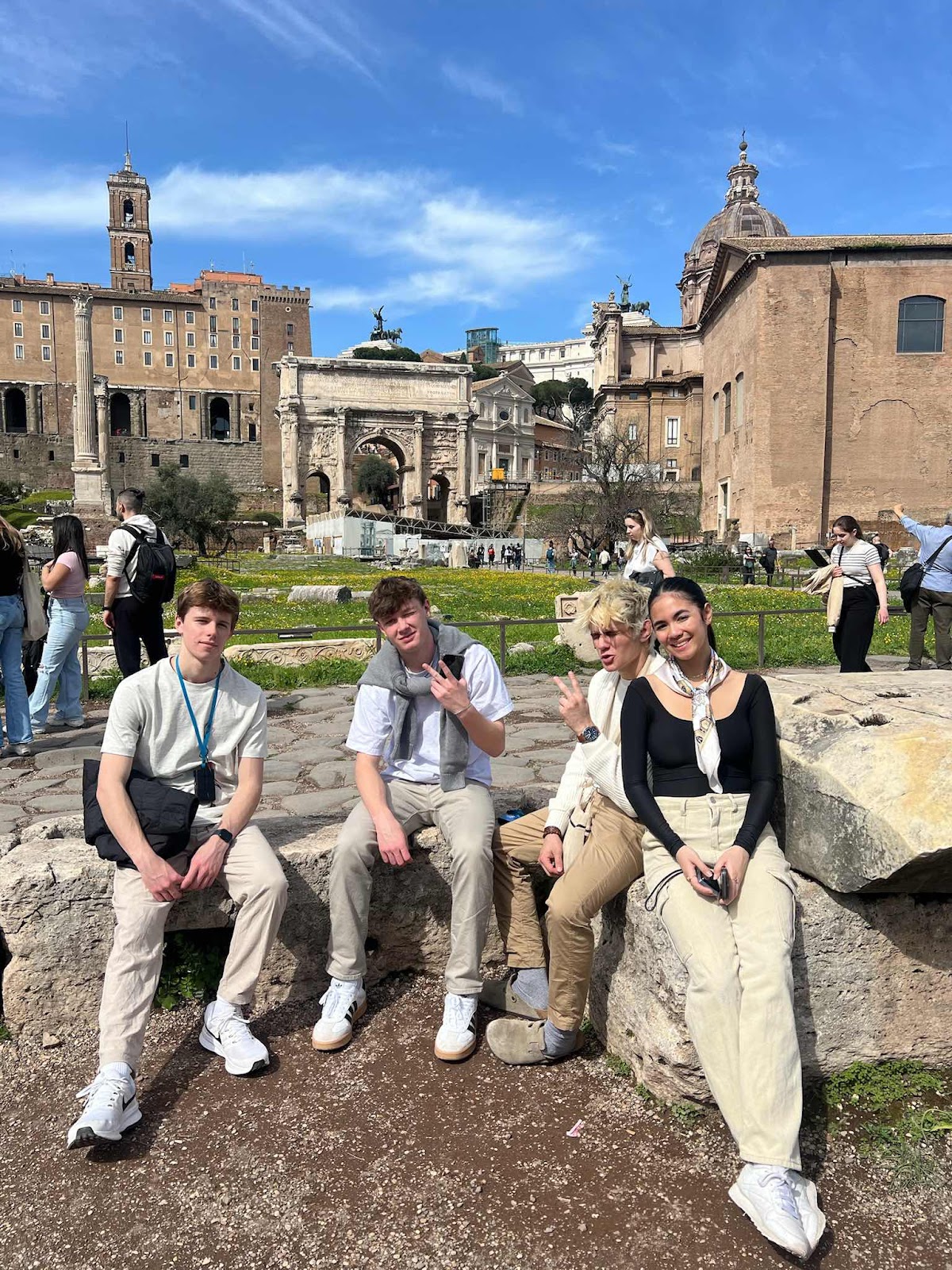
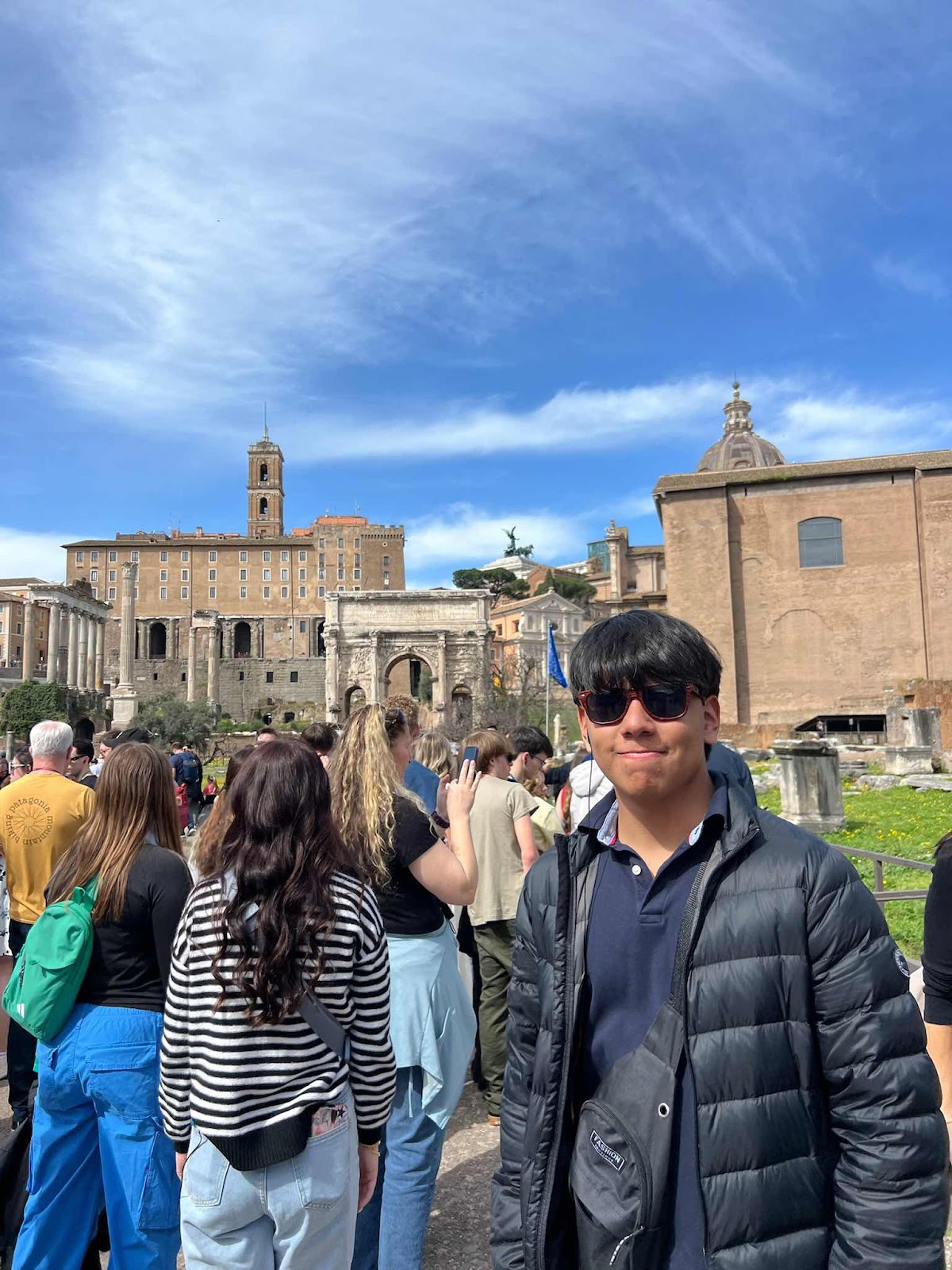
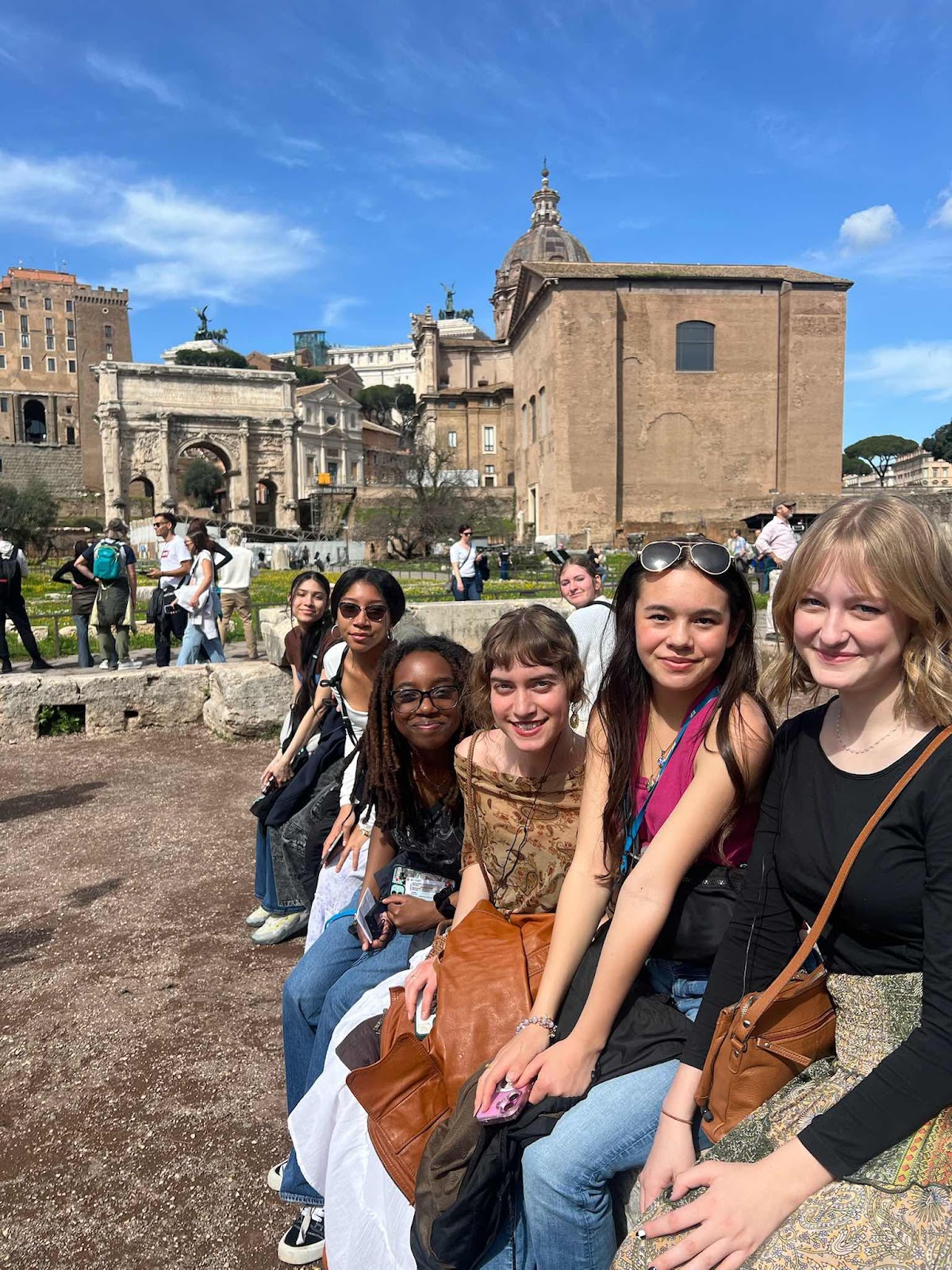
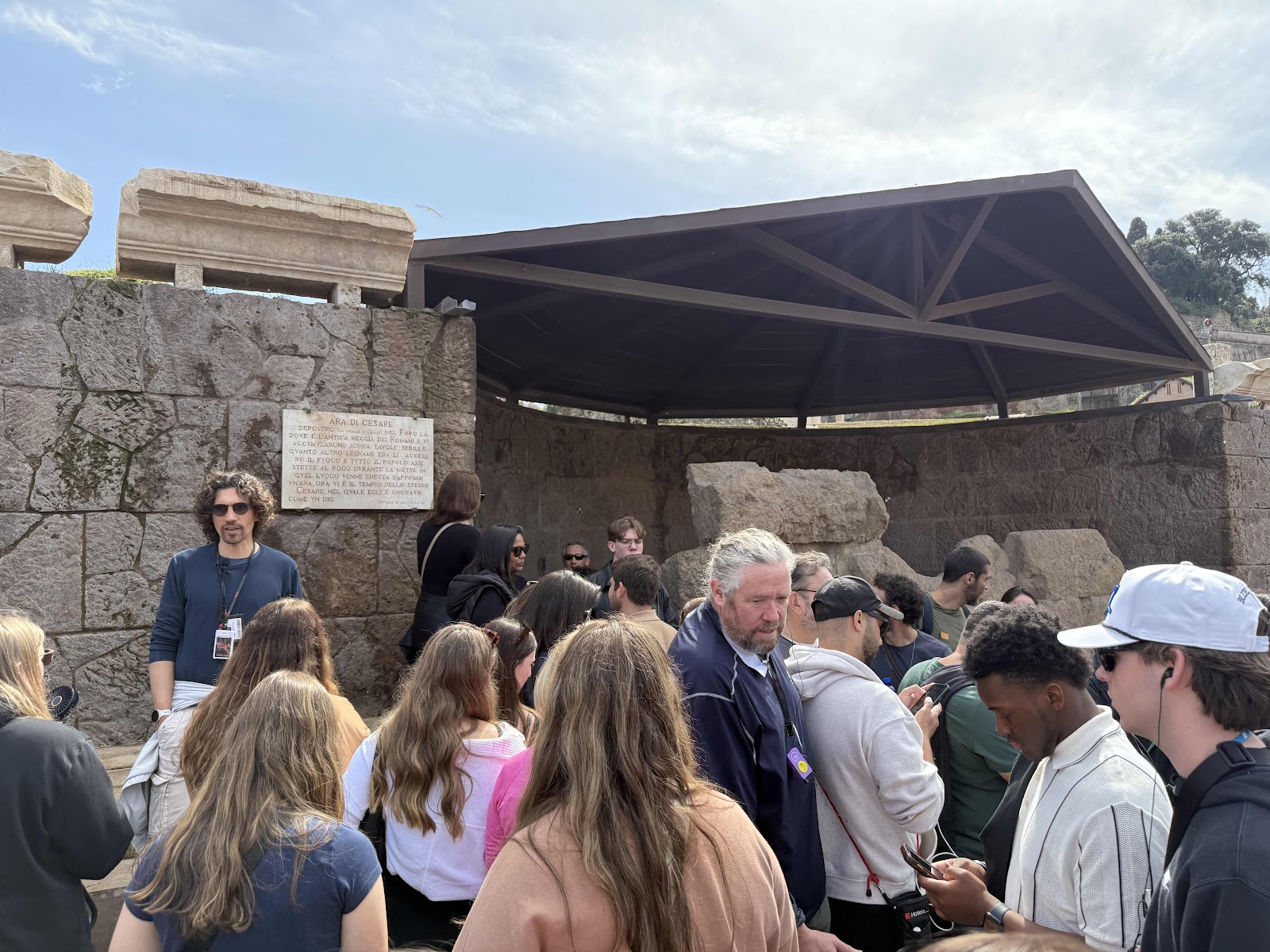
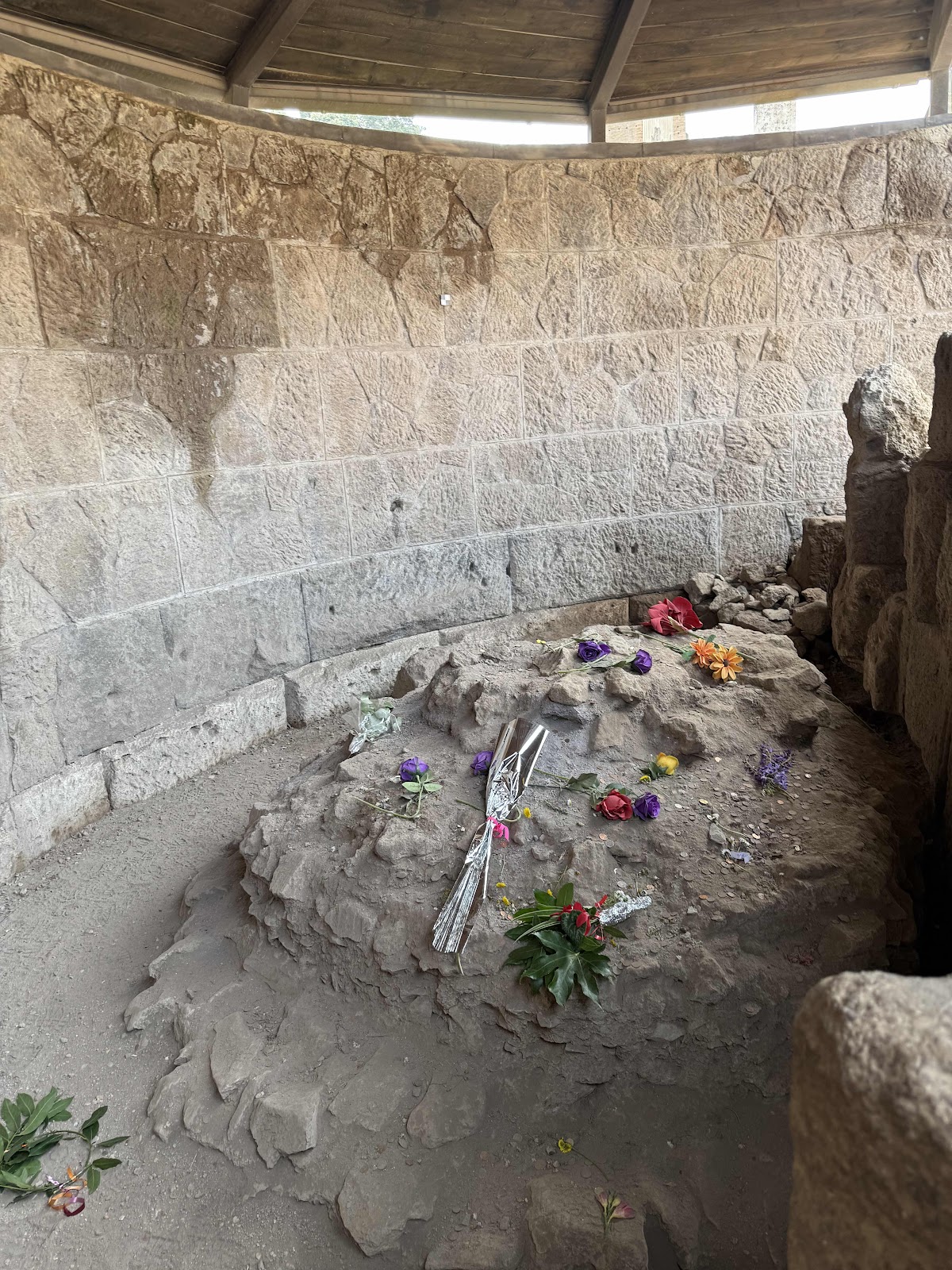
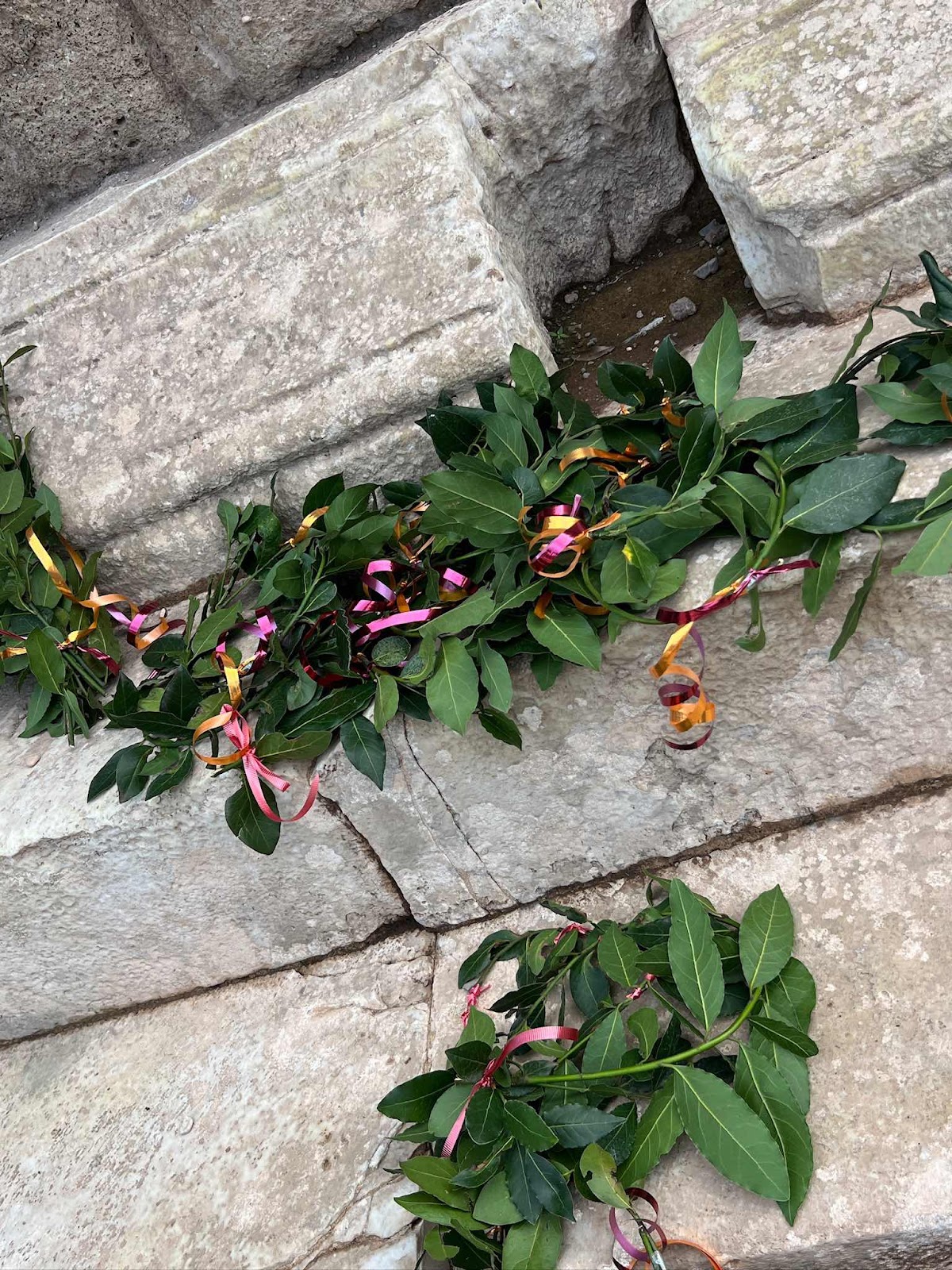
Julius Caesar walked these streets. His funeral was held here, and you can still see the remains of the temple built in his honor. People were leaving flowers there today because it is the anniversary of his death, the Ides of March! He died in 47 BC so over 2000 years ago!
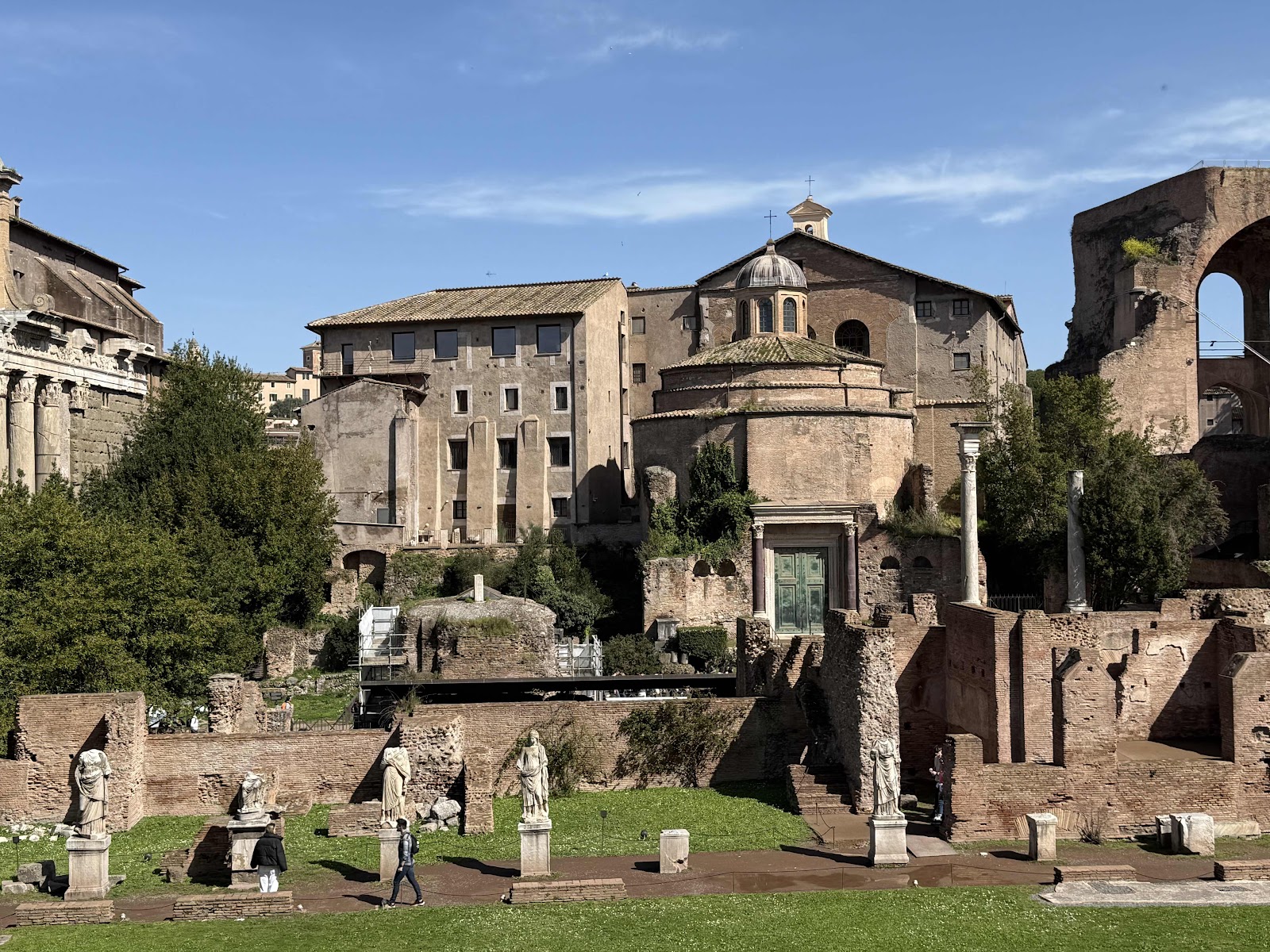
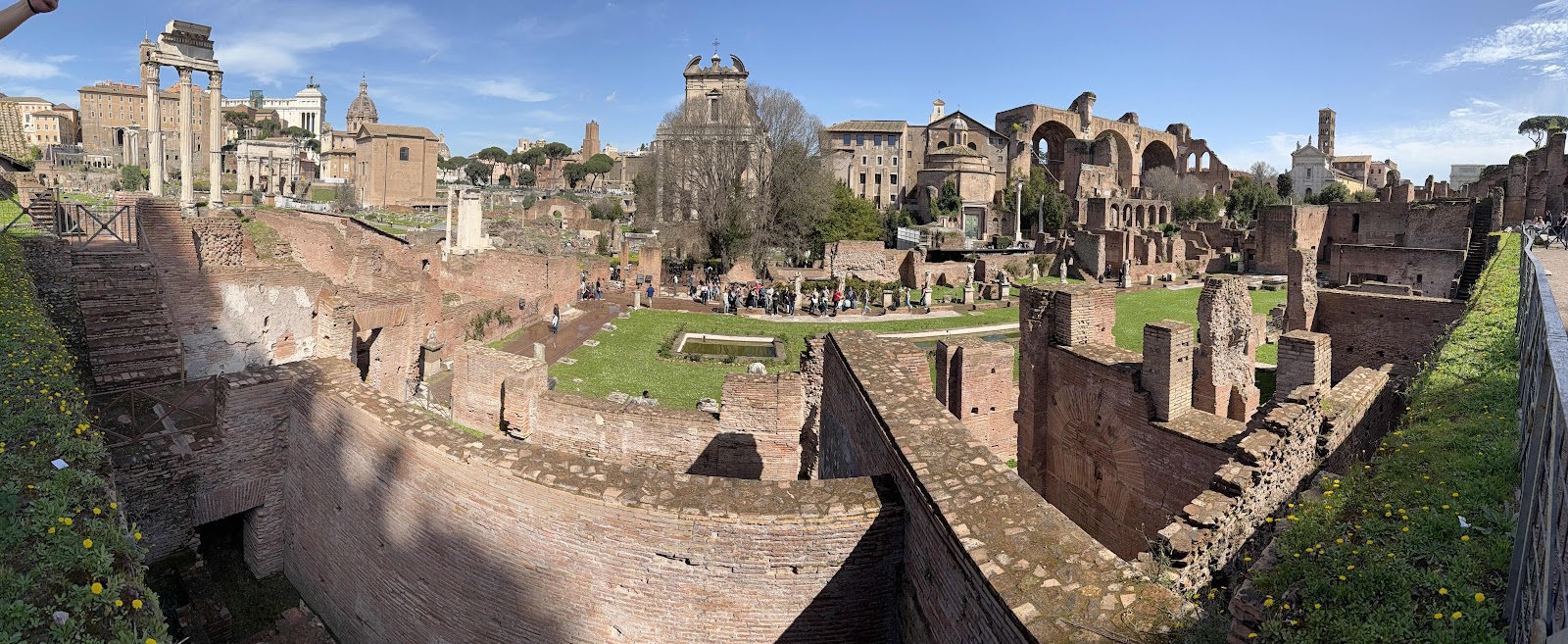
The Senate met here. The Curia (Senate House) is still standing, and this is where Rome’s leaders made major decisions. Julius Caesar started its construction but never got to join in the political fun before his death. This is the domed building.
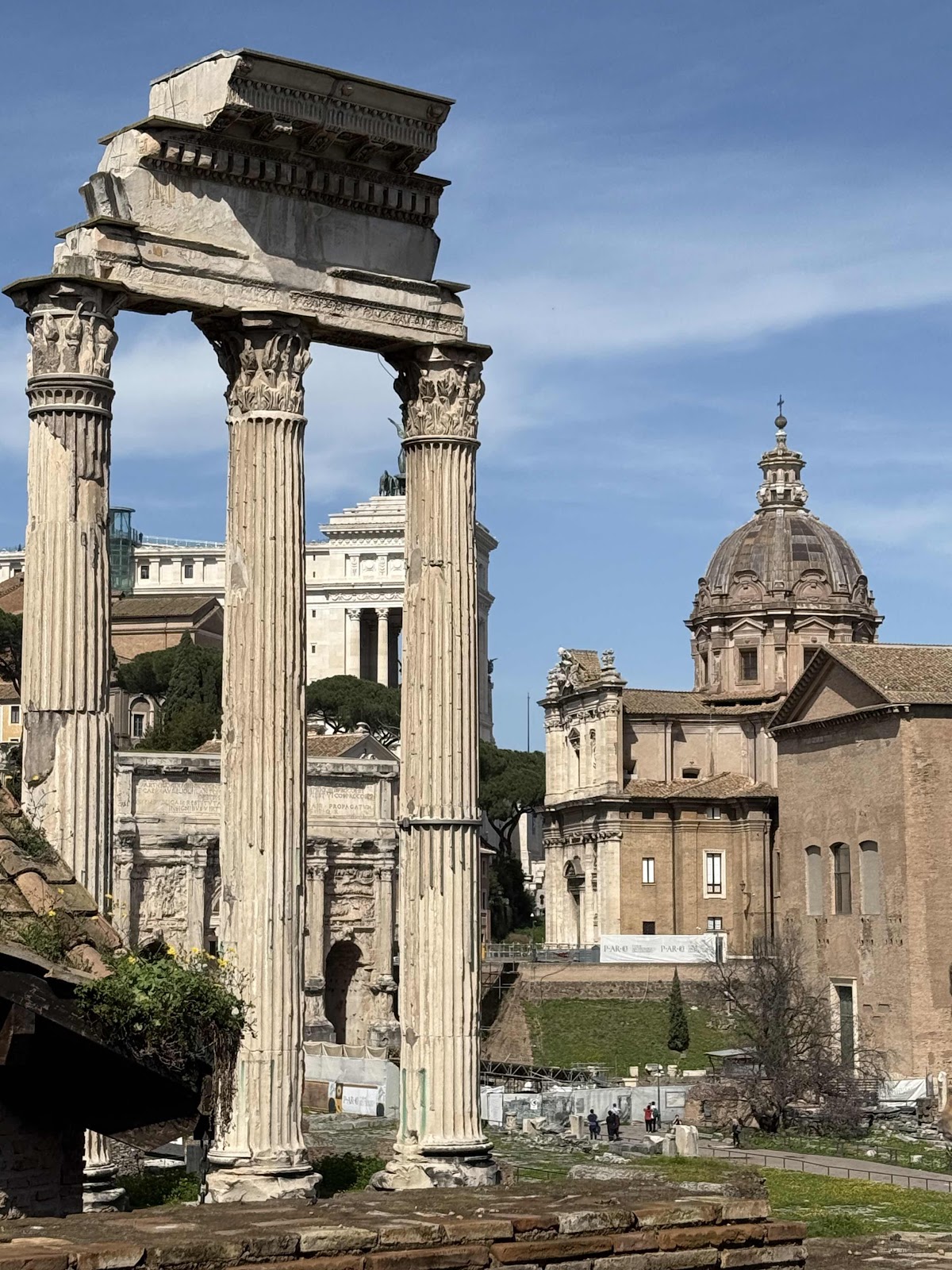
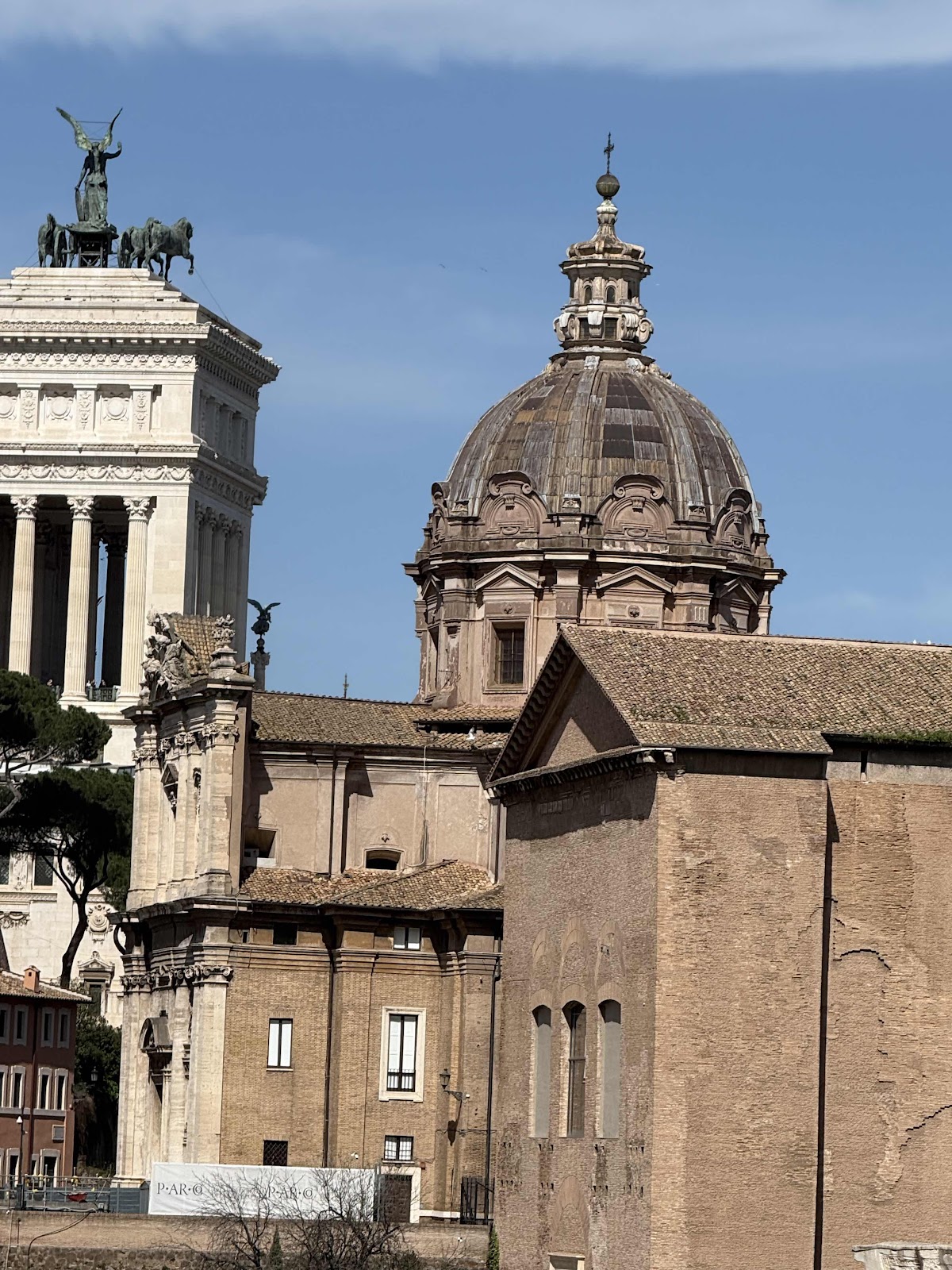
The Forum had the world’s oldest “bank.” The Basilica Julia was a giant courthouse and business center where Romans could handle money matters—basically an ancient version of Wall Street.
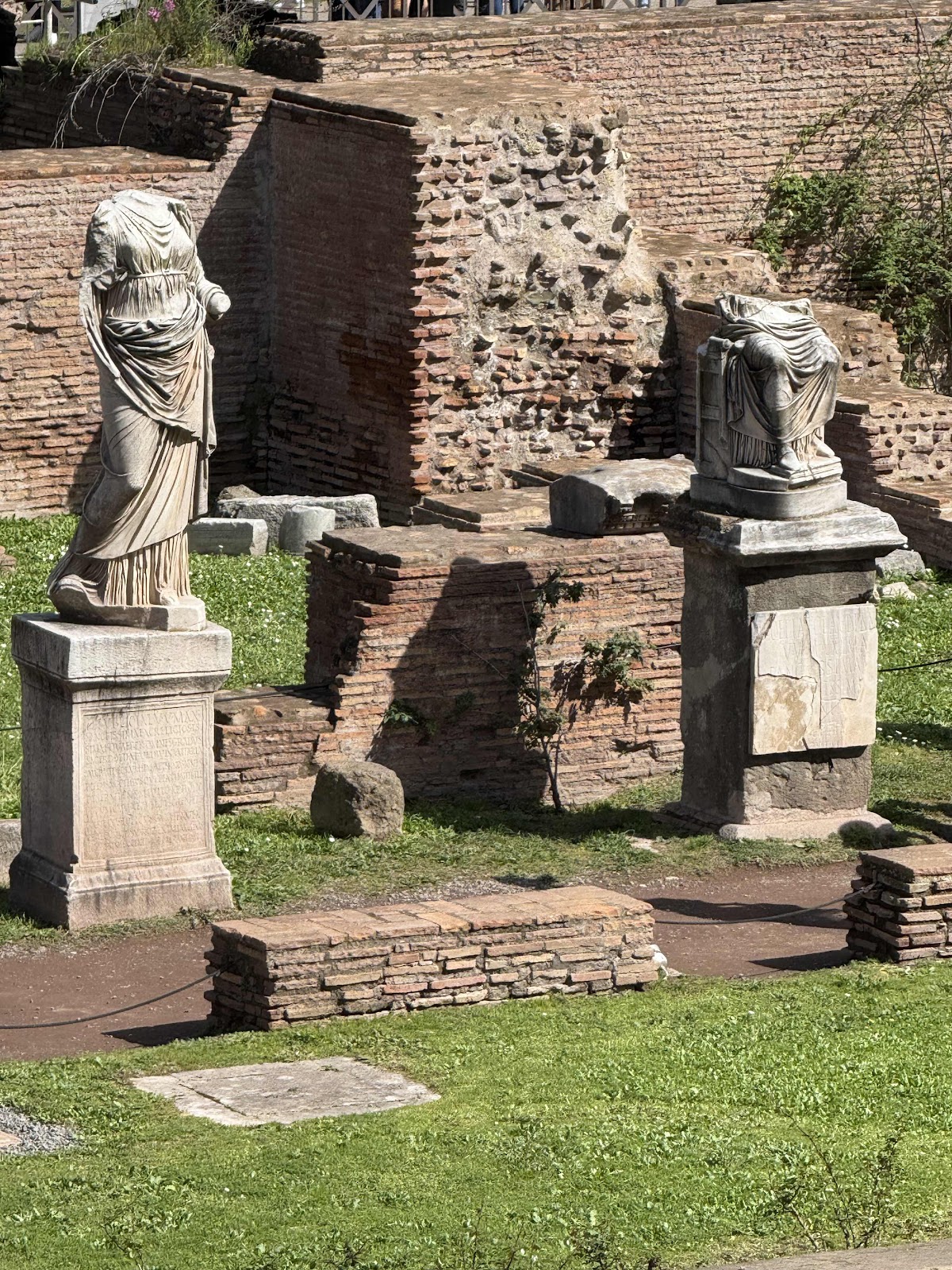
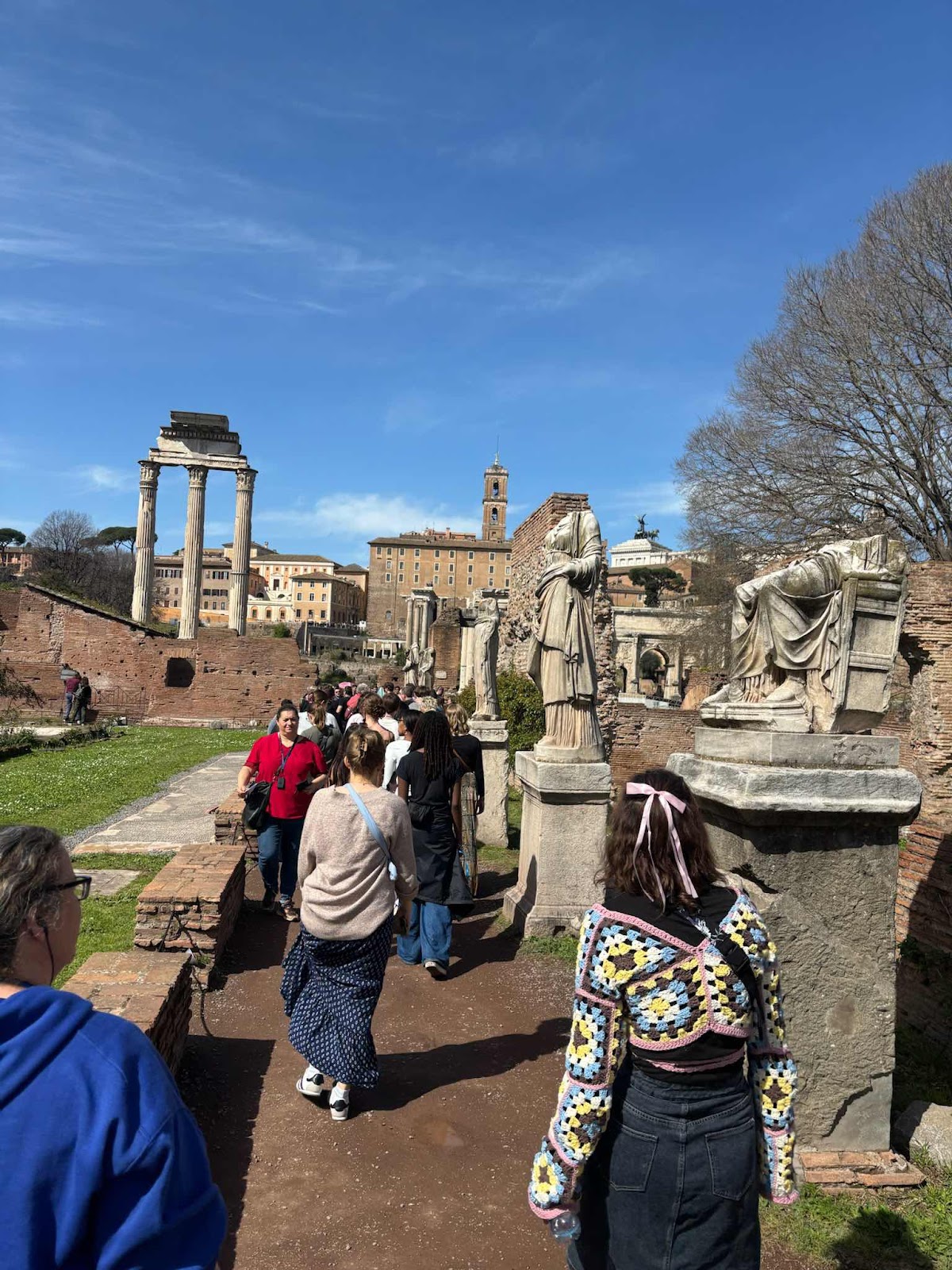
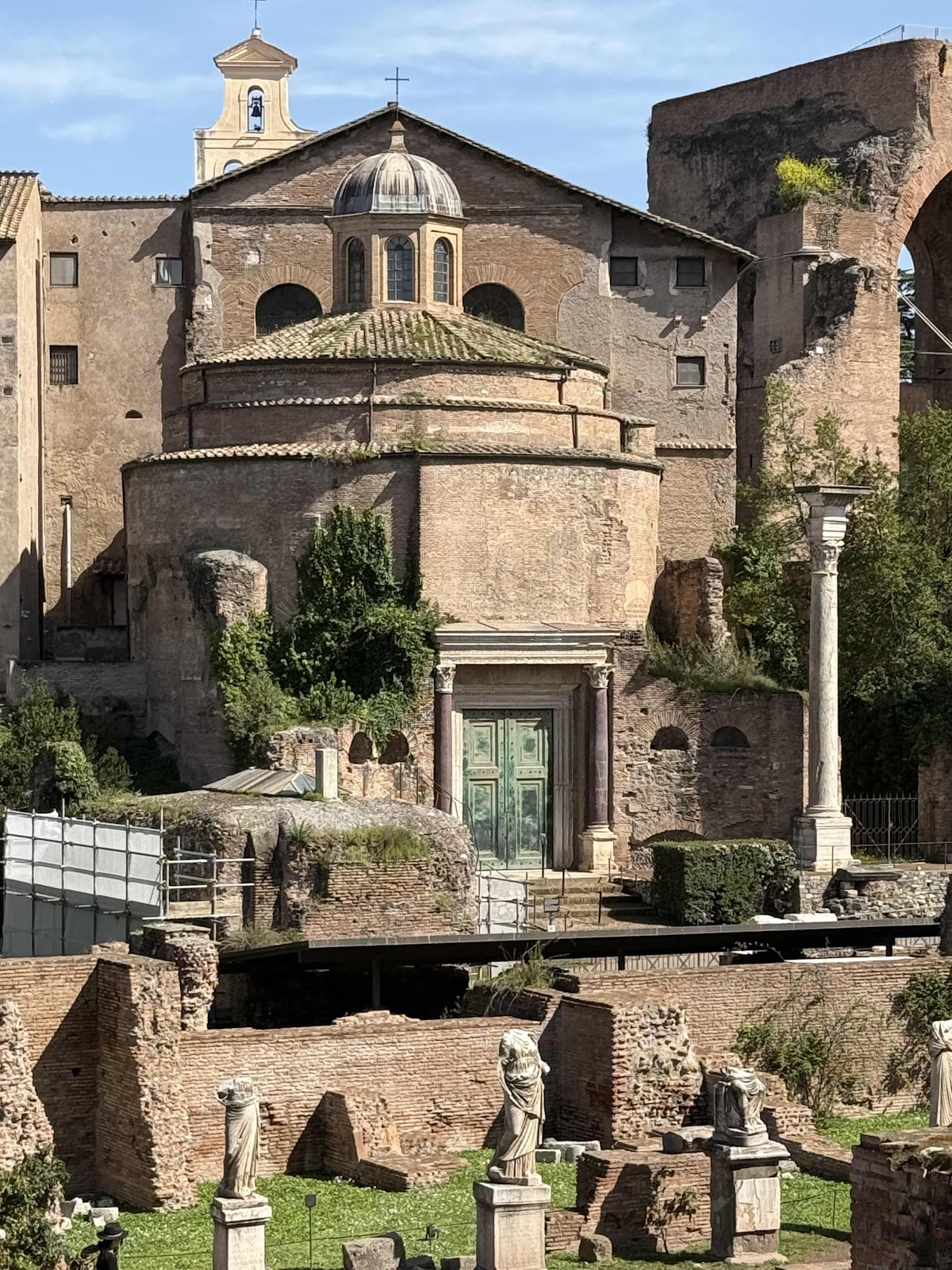
The Vestal Virgins kept a sacred fire burning. These priestesses lived in the House of the Vestals and had one job: making sure the fire of the goddess Vesta never went out. If they failed, it was considered a bad omen for Rome! Statues of the vessel virgins line the courtyard pathway although many have lost their heads.
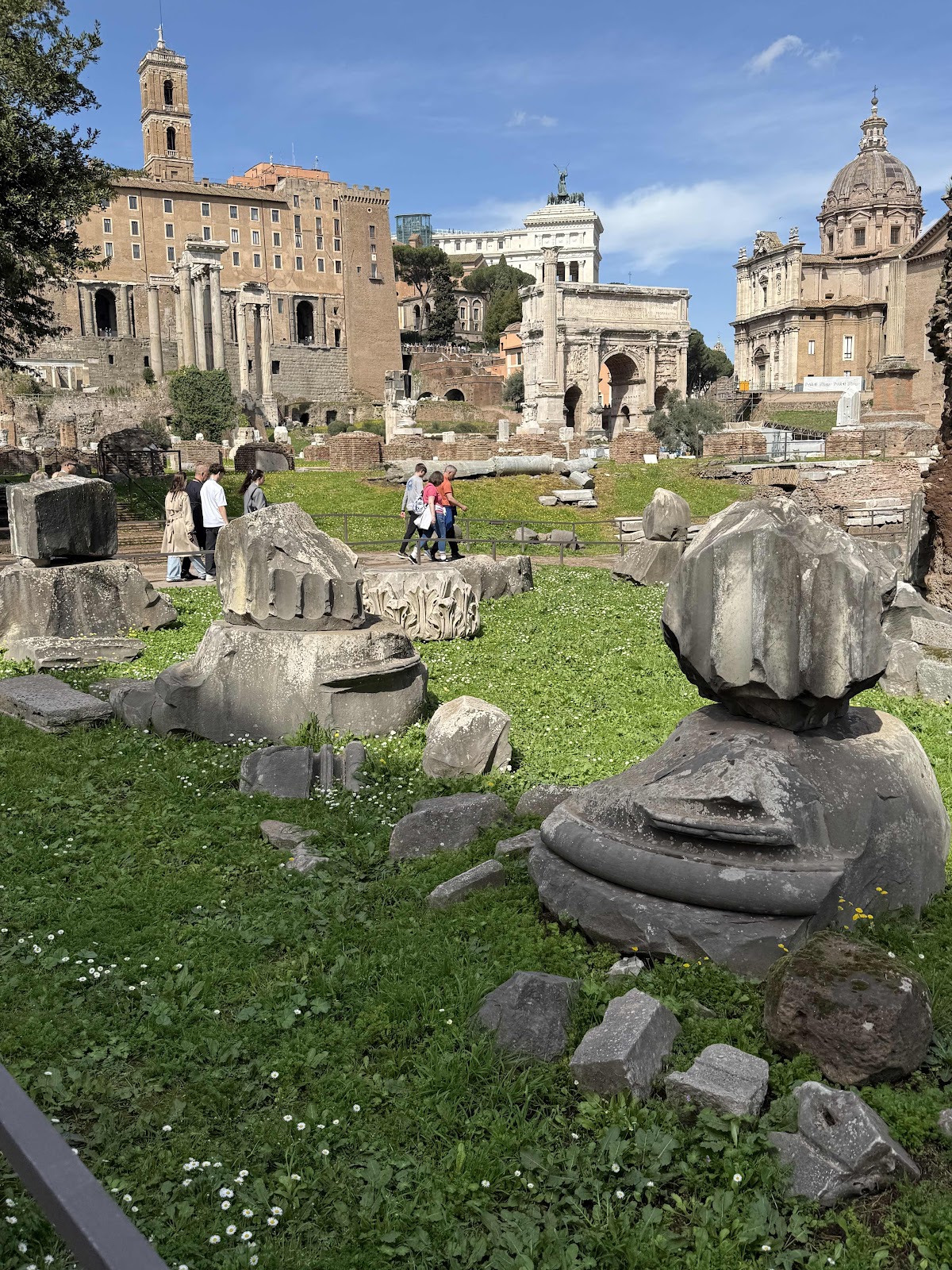
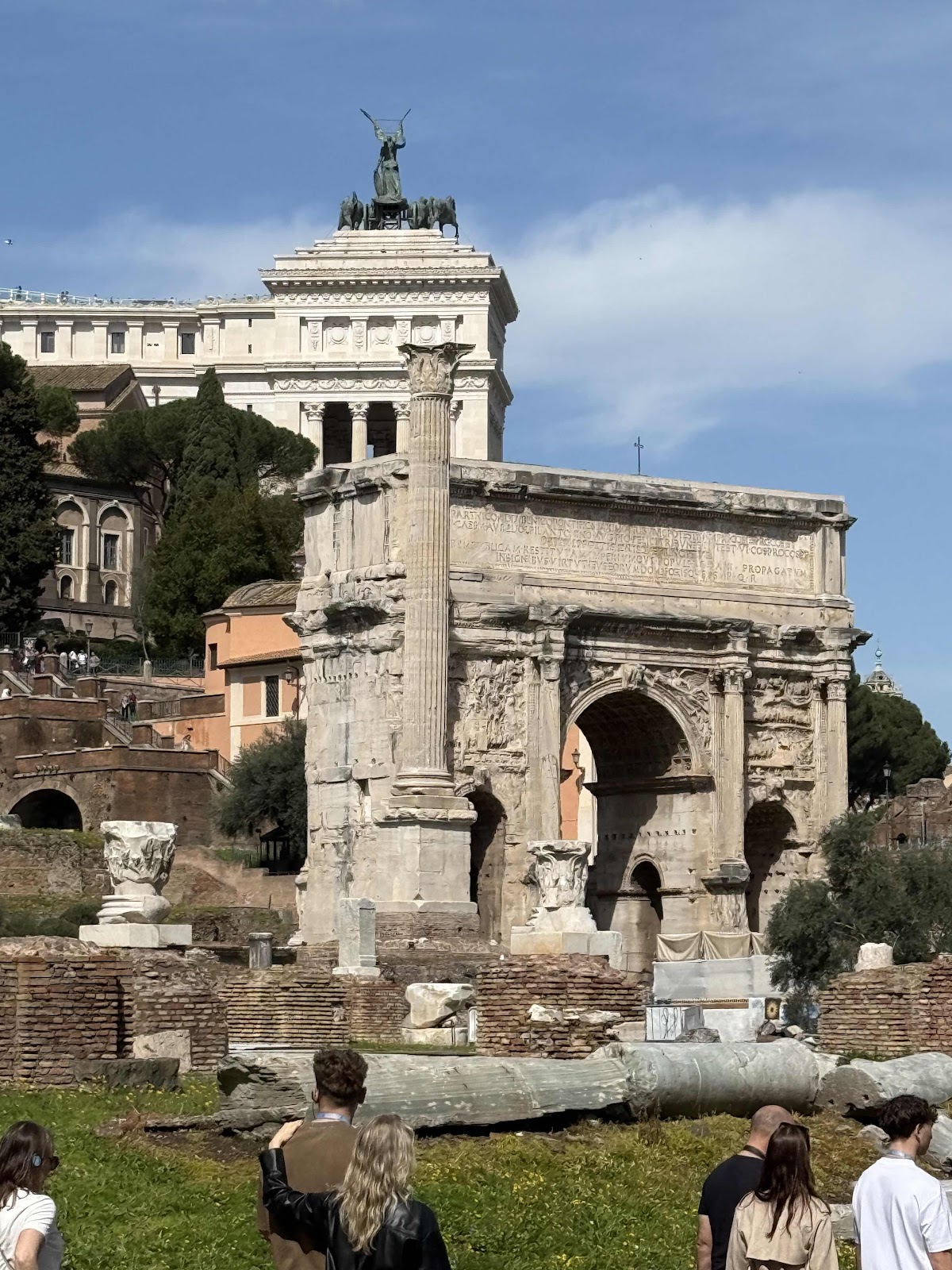
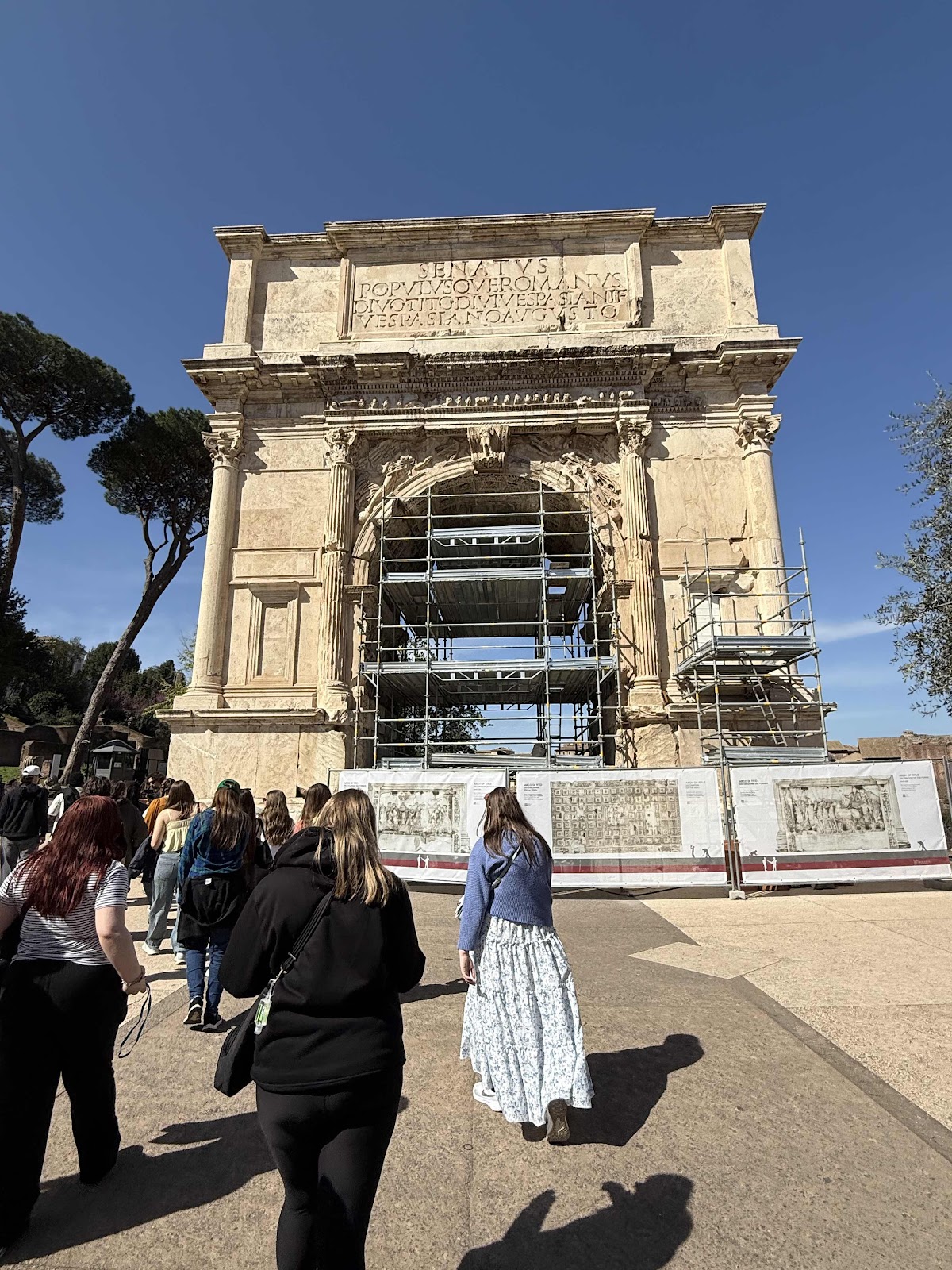
Triumphal arches celebrated military victories.
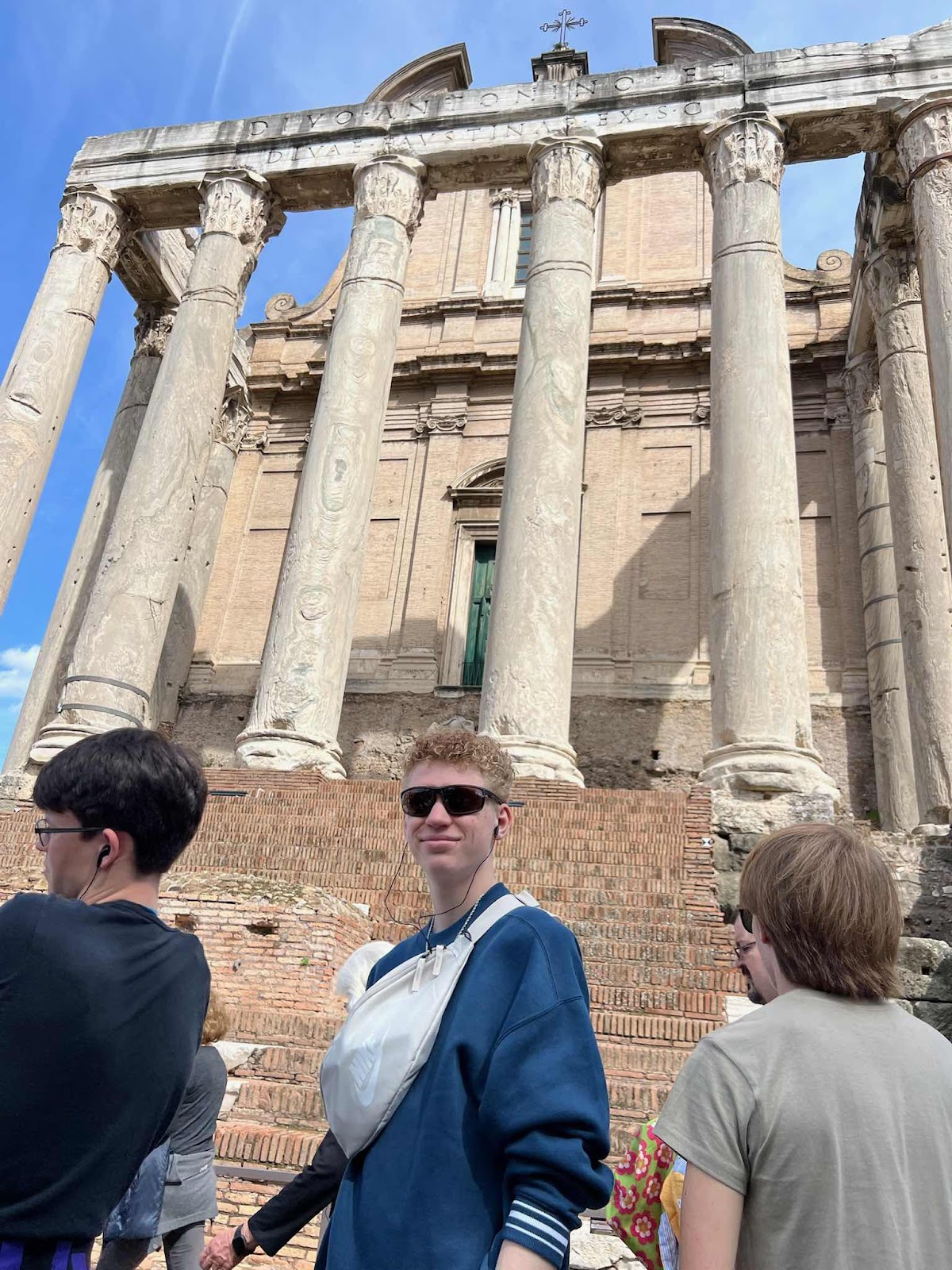
This building with the green doors was a temple (the doors used to be Bronze).
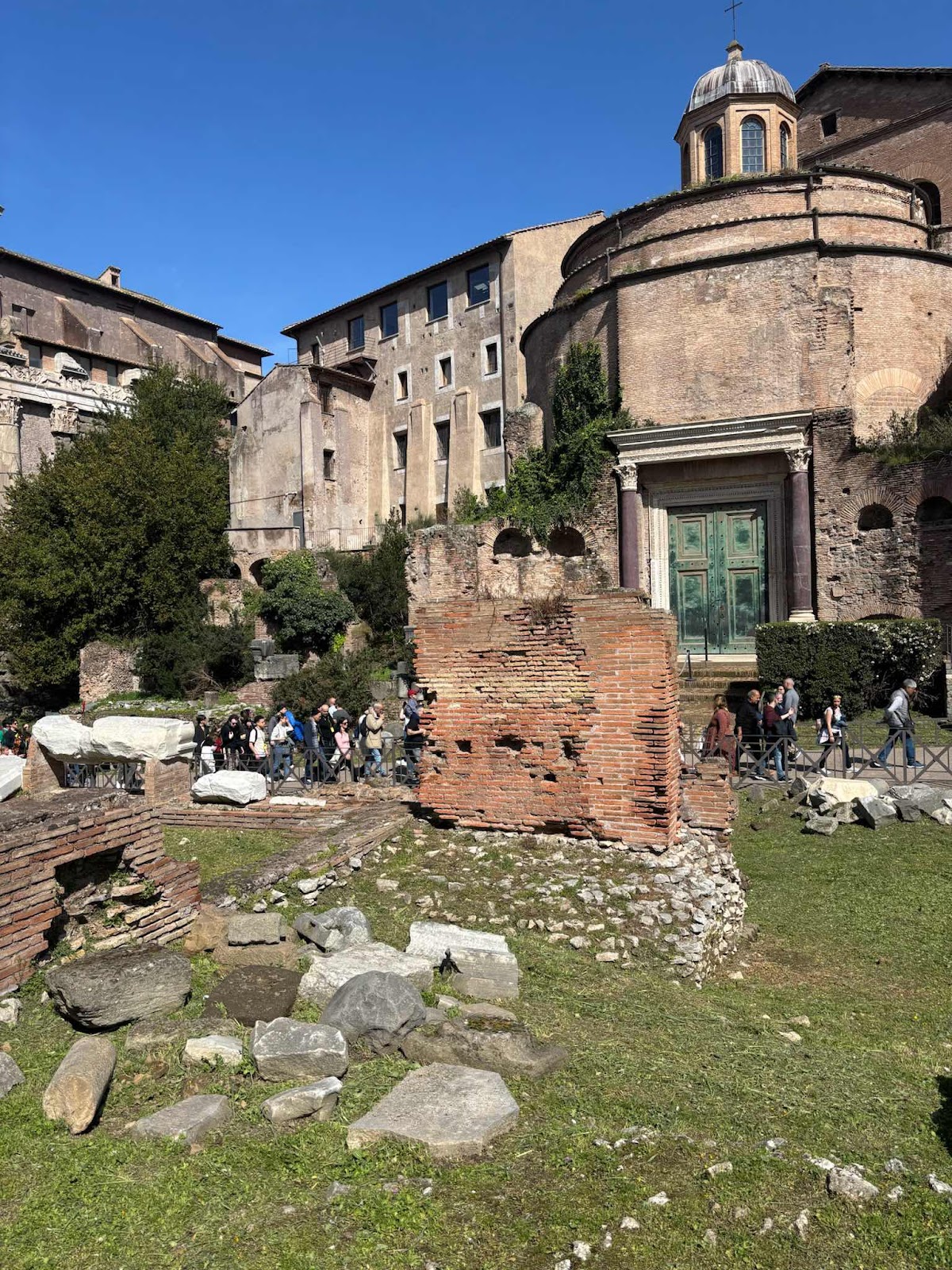
This area was once all buried underground and has since been excavated. It was buried for centuries. By the Middle Ages, the Forum was forgotten and covered in dirt. Farmers even used it as a cow pasture! It wasn’t fully excavated until the 19th and 20th centuries.

No comments:
Post a Comment